





Read More




Night Recap - May 22, 2026
8 hours ago







ImmD crackdown targets moonlighting domestic helpers arresting 17
19-05-2026 17:52 HKT

One dead, four injured in Jordan flat fire, 200 residents evacuated
22-05-2026 00:48 HKT
Over 90 percent of dog toys were found to have satisfactory performance, while chemical elements with potential health concerns were detected in some, as the Consumer Council tested 30 dog toys available in Hong Kong markets.
The tested products were purchased from pet supply stores, grocery stores and online shops, with prices ranging from HK$30 to HK$179.
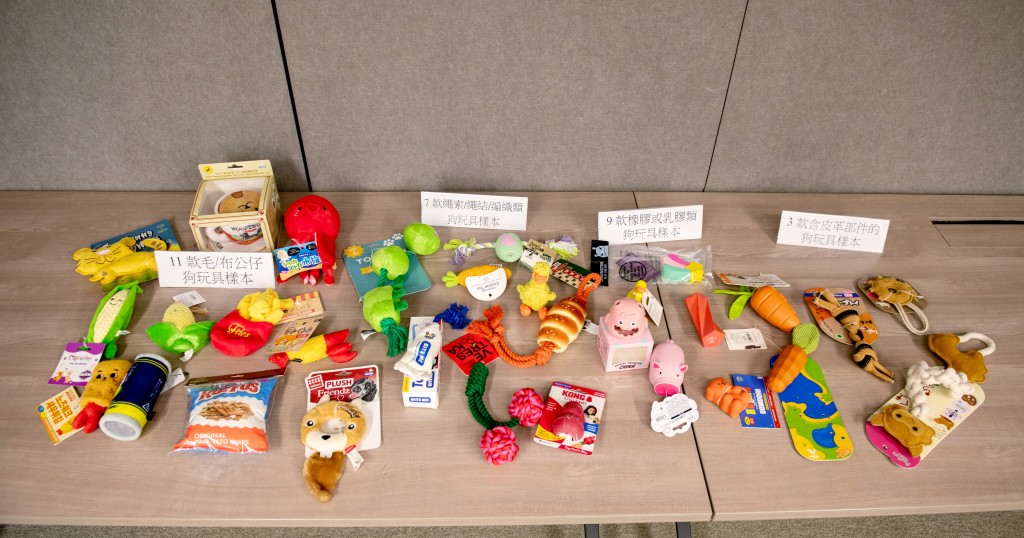
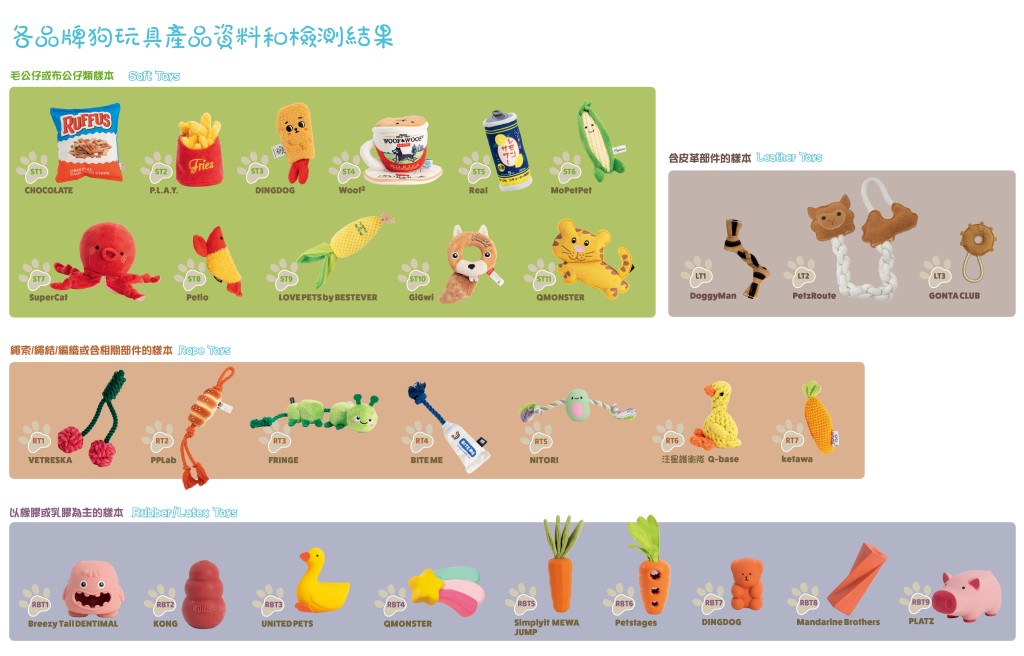
The models were categorized into four primary groups: 11 plush/soft toys, seven rope/knot/knitted models, nine models featuring rubber or latex as the primary component, and three models with leather components.
The results showed that none of the models contained phthalates, free formaldehyde, prohibited azocolourants, or sharp points or edges that could cause injury.
The most commonly detected element, chromium (III), was found in 28 models. The majority had chromium (III) migration less than 2mg/kg below the standard’s upper limit (460mg/kg) set by the European Children's Toys Safety Standard for Category III toy materials.
However, one specific leather model named GONTA CLUB Natural leather and cotton rope toy exceeded the standard’s upper limit. Chromium (III) can cause skin sensitization in animals, according to the United States Agency for Toxic Substances and Disease Registry.
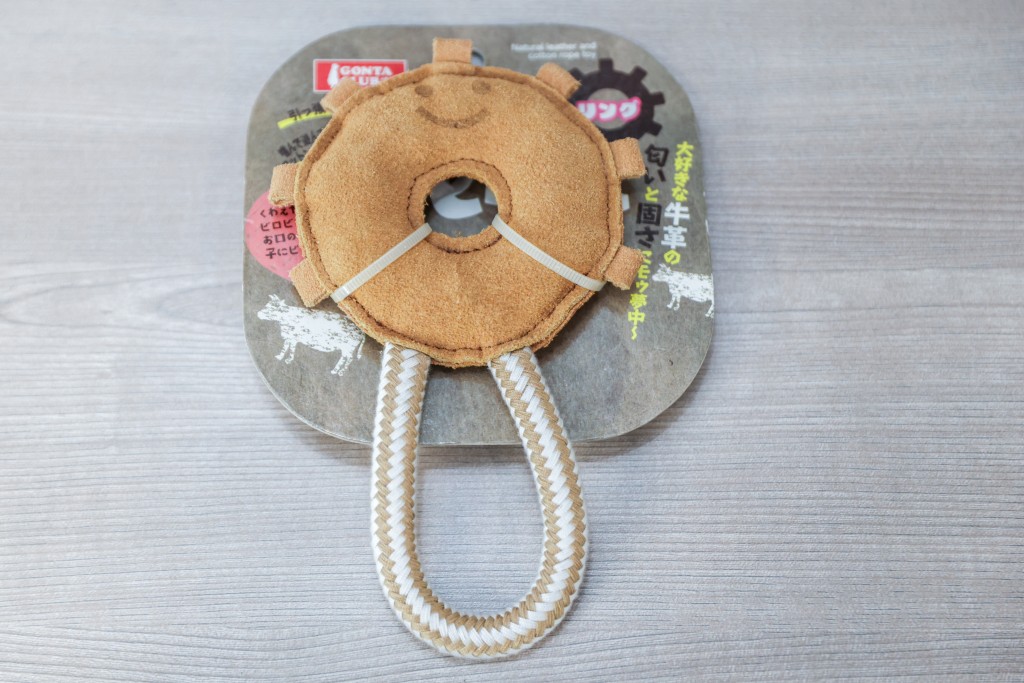
The Council suggested owners bring the pet along with the relevant toy to a veterinarian if pets develop persistent or recurrent skin problems after contact with leather toys.
Among all models, only one rubber toy was identified to migrate chromium (VI) in its component, with a migration level of 0.0362mg/kg, which is within the standard’s permissible limit (0.053mg/kg).
However, the chemical elements are carcinogenic to experimental animals, according to the International Agency for Research on Cancer. It is shown by relevant studies that contact with chromium (VI) may affect pets’ gastrointestinal system and skin health in the long term.
Given the potential health risks, the Council has urged the manufacturer to carefully select raw materials to ensure pet safety.
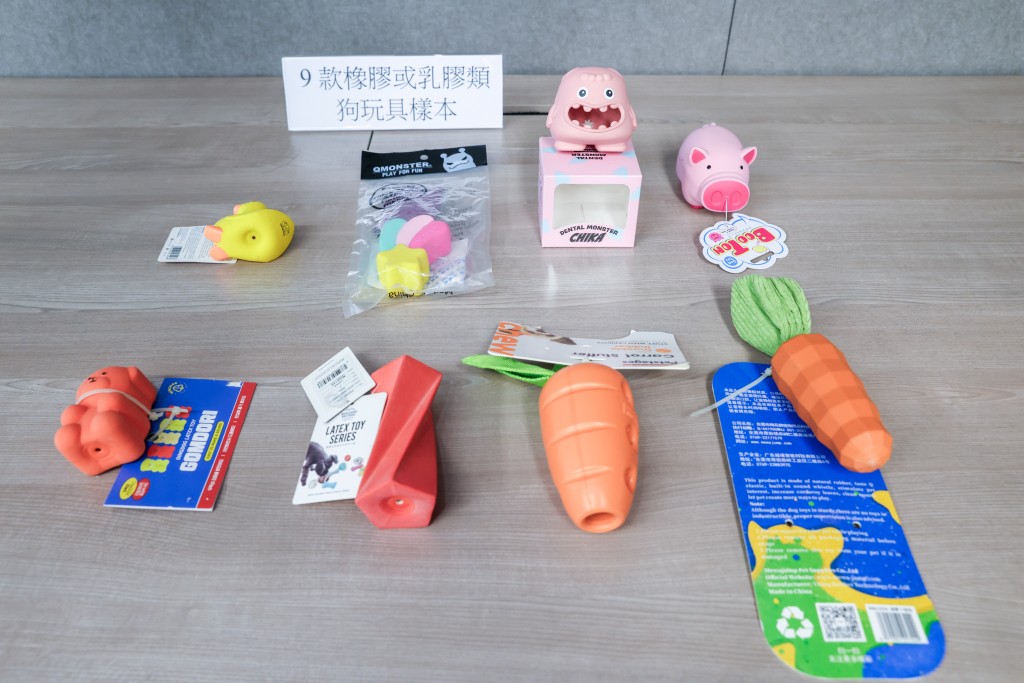
Lead and Zinc were detected within standard requirements.
Lead was detected in 30 percent of models, an element that tends to accumulate in the body and lead to neurological issues.
Zinc was commonly detected in latex or rubber varieties, with 70 percent identified. There have been cases of dogs in the US and Australia suffering from zinc poisoning after ingesting zinc-containing foreign objects.
Although all are within the standard limit, the council has advised choosing products with lower or undetectable levels of lead and paying attention to the rubber or latex materials that could be chewed by pets.
The council also warned that parents should avoid allowing young children to come into contact with pet toys, as many dog toy appearances resemble children’s toys.