While many Hongkongers are turning to cross-border online platforms for their electrical needs, the Consumer Council has reported a concerning 70 percent rise in consumer complaints, sparking alarms over safety and compliance issues.
This alarming trend has been highlighted by the council's receipt of 431 complaints in the first nine months of this year alone–surpassing the total number of complaints for both 2023 and 2024.
Mainland 3C Certification does not guarantee safety
Although the "3C" Certification is a compulsory product safety system in mainland China, the council emphasizes that it does not ensure product safety in Hong Kong due to differing regulatory requirements.
The consumer watchdog further explained that the “3C” mark ensures compliance with Chinese national standards(GB), but not Hong Kong's safety regulations, which takes local conditions and safety hazards into account.
Hidden risks with plug adapters
Household appliances are among the most frequently purchased items through cross-border online shopping, but the council warns of potential risks associated with differing plug types.
Hong Kong requires appliances to use BS 1363 or BS 546 3-pin plugs, while the mainland commonly uses 2-flat-pin or 3-slanted-pin plugs, causing many consumers to use plug adapters with mainland appliances.
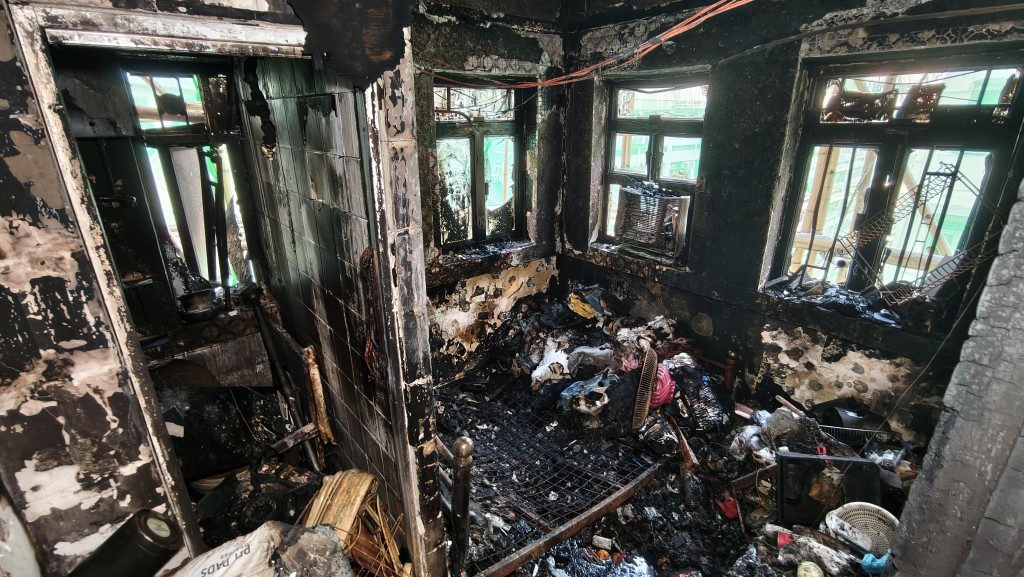
However, the council cautions against the long-term use of plug adapters for high-power products, such as air conditioners and water heaters, which can greatly increase the risk of overheating and short-circuiting, potentially leading to fires.
Consumers considering replacing the plugs themselves are also at risk, as such modifications should only be performed by registered electrical workers.
Installation of high-risk products
Beyond risks with the difference of plugs, the council highlighted the dangers of improper installation of high-risk products, particularly gas appliances, which can pose life-threatening hazards.
According to the Gas Safety Ordinance and relevant codes of practice in Hong Kong, all domestic gas appliances must be approved by the Electrical and Mechanical Services Department and bear the "GU" mark.
Notably, all gas appliances must be installed by registered gas installers, with safety inspections recommended every 18 months.
The watchdog also cautioned consumers that the installation of flueless gas water heaters in the city could result in a fine of HK$10,000.
Additionally, other household appliances such as air conditioners, washing machines, and electric water heaters must also be installed by registered electrical contractors. Failure to do so could lead to a fine of HK$50,000 and a six-month prison sentence.
Legal risks of cross-border shopping
As Hong Kong imposes strict import regulations on certain controlled items, the council also warned against prohibited imports from the mainland–ranging from electronic cigarettes to smokeless tobacco products–which could result in fines and imprisonment.
Furthermore, consumers may find themselves without compensation, as goods are typically only certified for use in their country of origin.
Tips to protect consumer rights in cross-bordary online shopping
The council recommends several precautions to help protect their rights, which includes choosing reputable merchants and avoiding unknown sellers.
It is also essential to select products with clear specification details, such as brand, model, and rated voltage, and to opt for household electrical appliances with compliant three-pin plugs.
Additionally, consumers should verify whether the product is 3C certified and the certification authenticity via official platforms.
Consumers should also be aware that home or liability insurance may not cover losses from improperly installed or non-compliant products.
Notably, consumers may lose their right to claim for damages if a product is used outside the country it was certified for.
To further protect their rights, the council suggests retaining transaction records and screenshots for any potential future complaints or returns.
As returns or repairs often require complicated and costly cross-border shipping, consumers should carefully read the after-sales service arrangements before making the purchase.
Lastly, consumers are encouraged to opt for energy-efficient products to save energy and reduce carbon emissions.