Read More
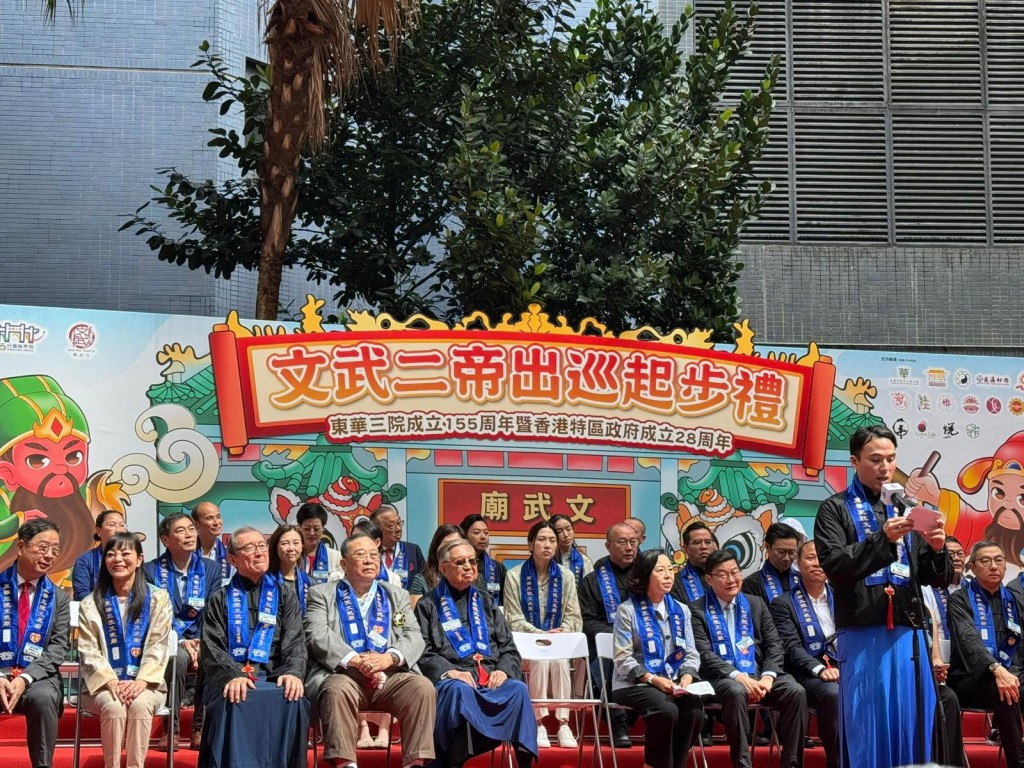
The Man Mo Parade and Autumn Sacrificial Rites play a vital role in deepening public awareness of local folk beliefs and customs, while also helping to preserve Hong Kong's cultural history, says Secretary for Home and Youth Affairs Alice Mak Mei-kuen.
ADVERTISEMENT
SCROLL TO CONTINUE WITH CONTENT
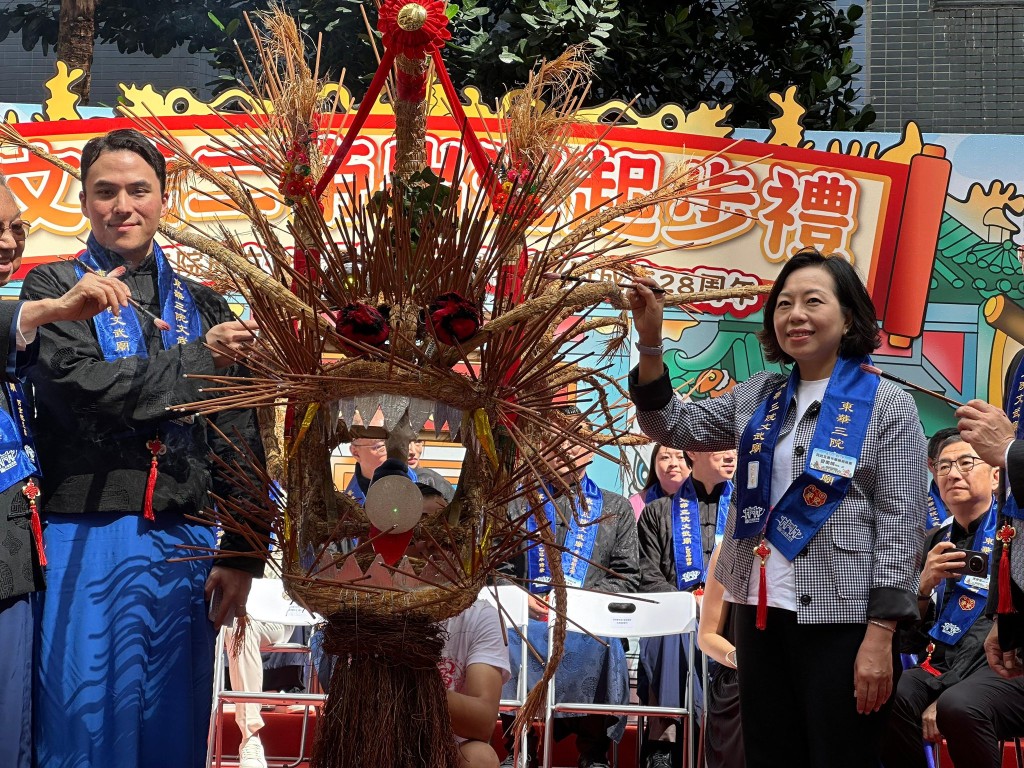
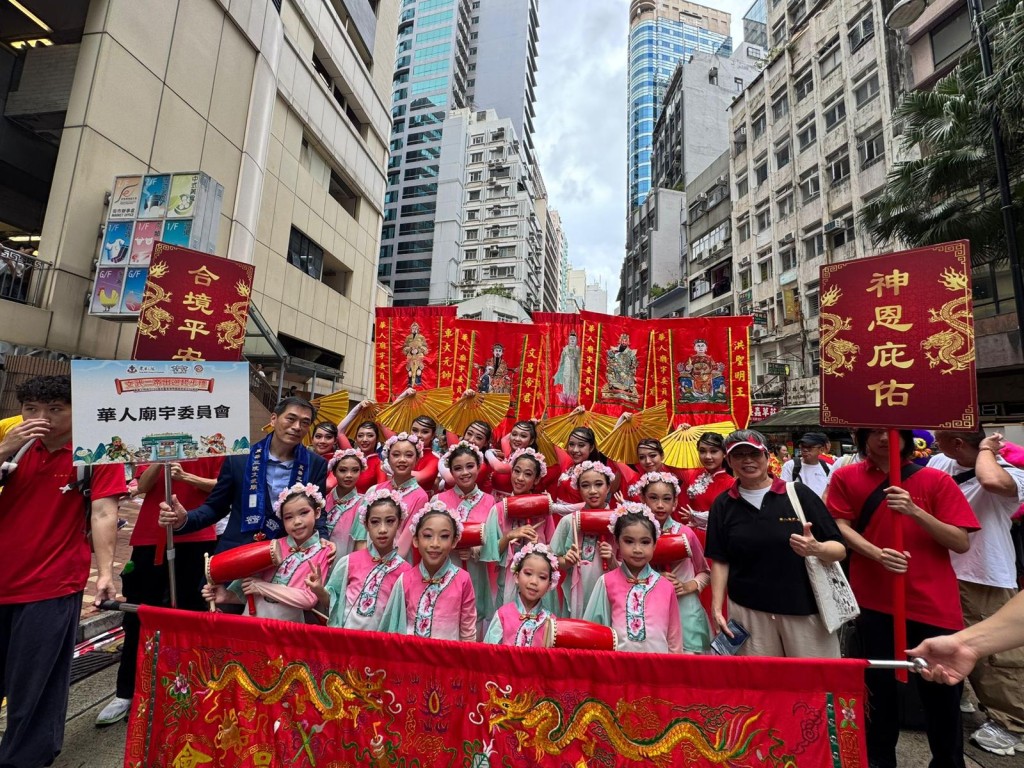
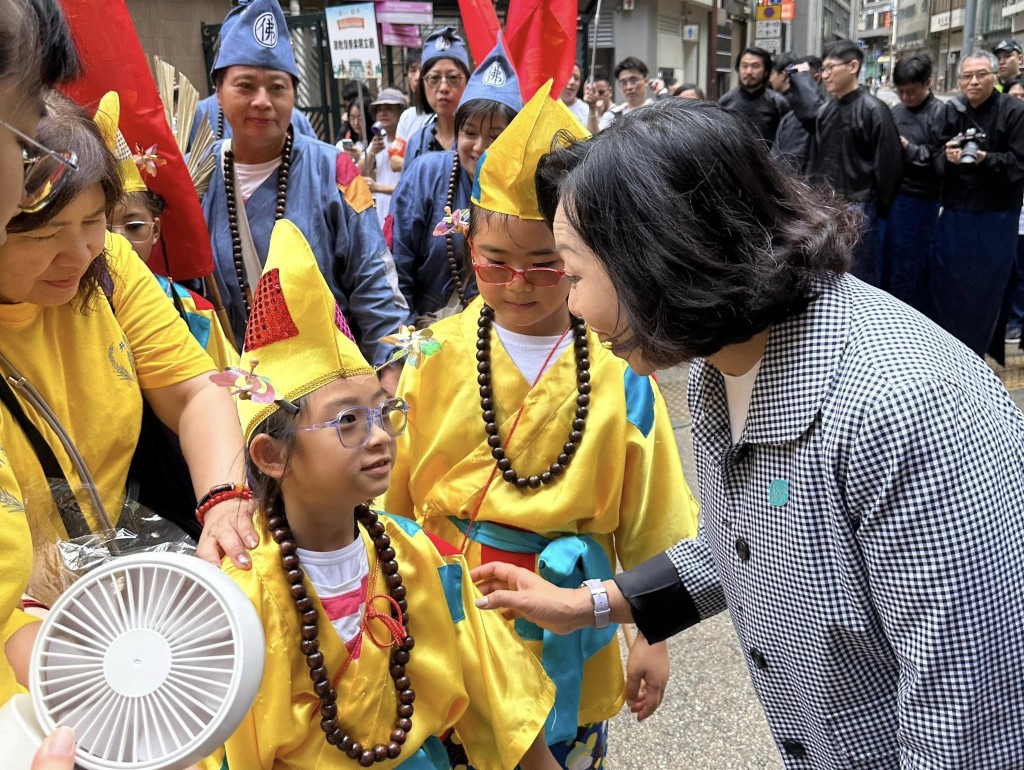
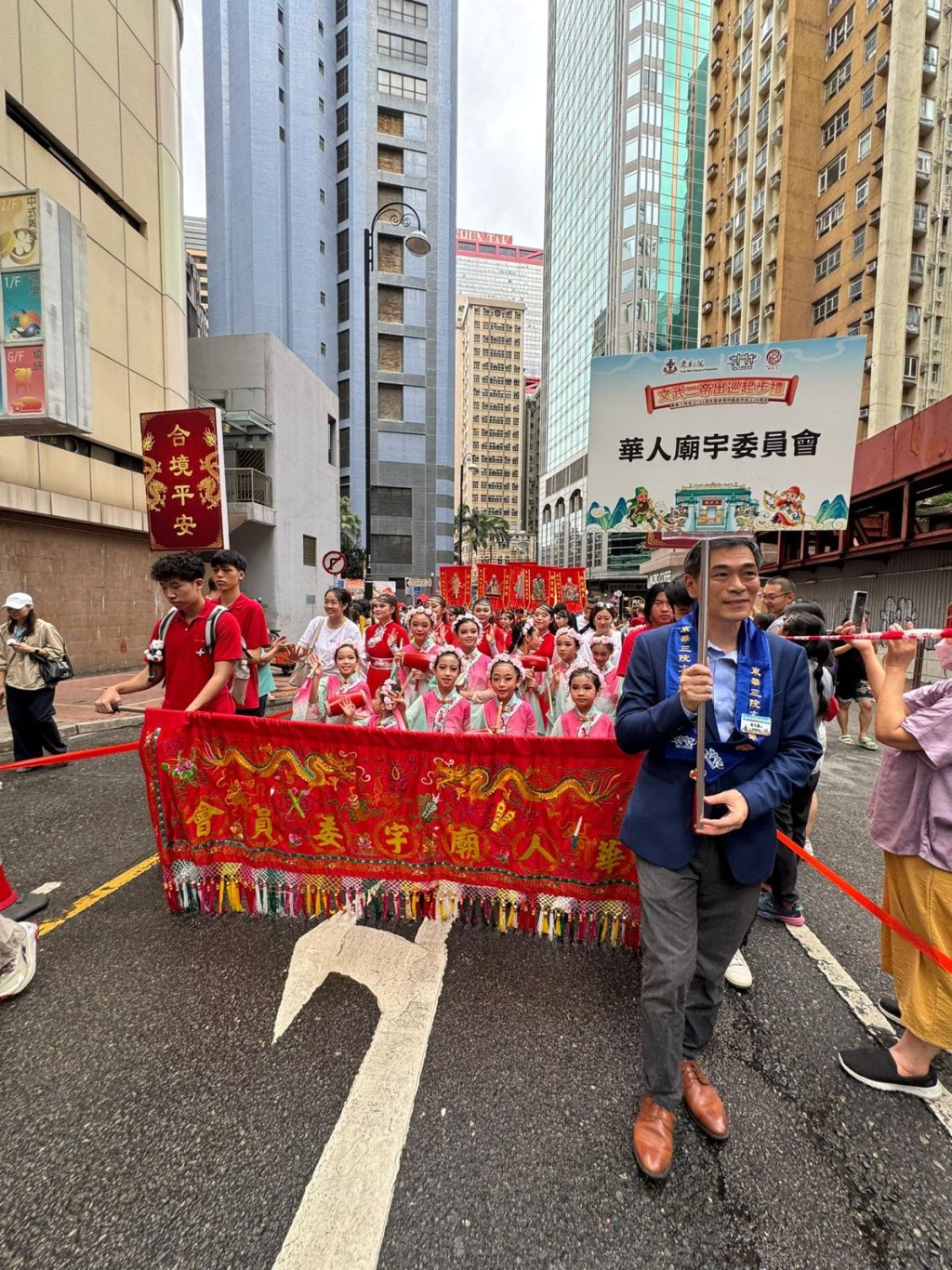
The parade started Sunday (Oct 12) at Sheung Wan Cultural Square. It was led by statues representing the Civil and Martial Deities, followed by the hundred-foot-long Pok Fu Lam Fire Dragon.
Local intangible cultural heritage groups also joined the event, performing lion and unicorn dances, and the Cheung Chau Floating Colours.
Around 500 participants marched to the historic Man Mo Temple on Hollywood Road, where the Autumn Sacrificial Rites were later held to pray for the well-being of Hong Kong's people.
+3
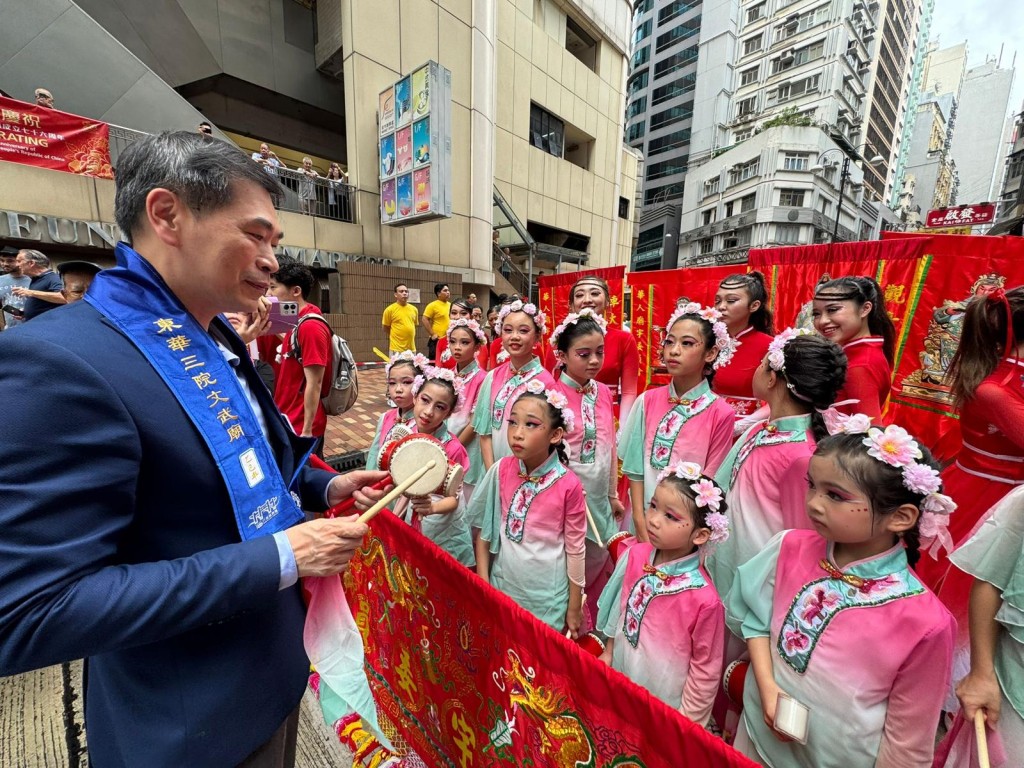
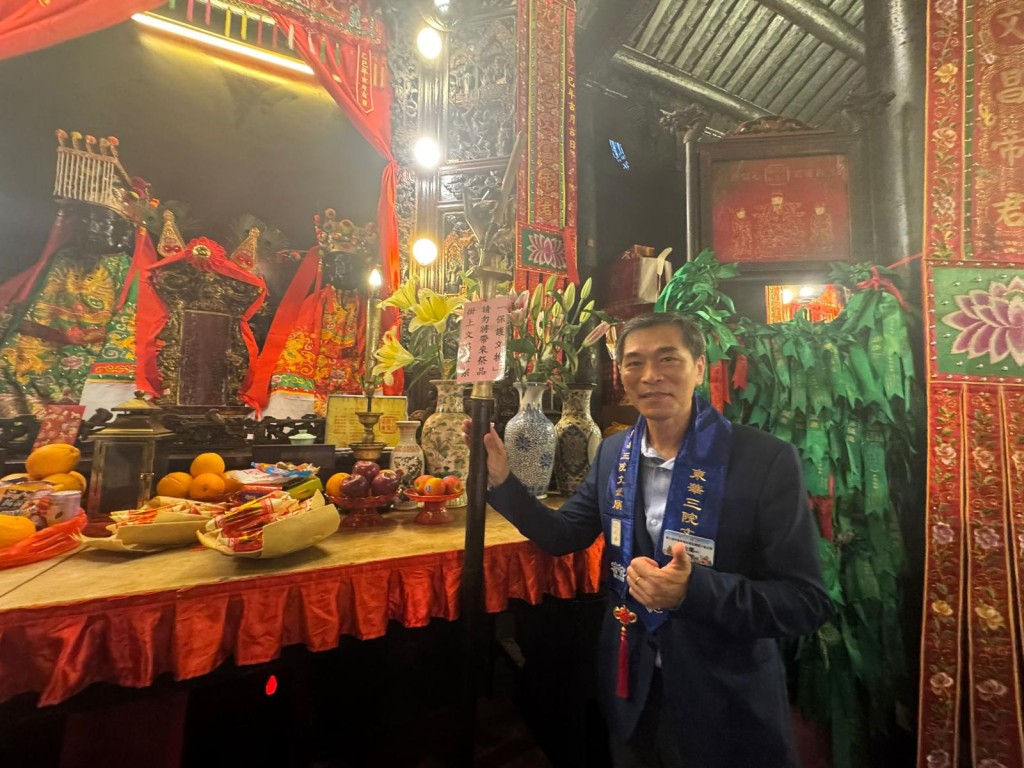
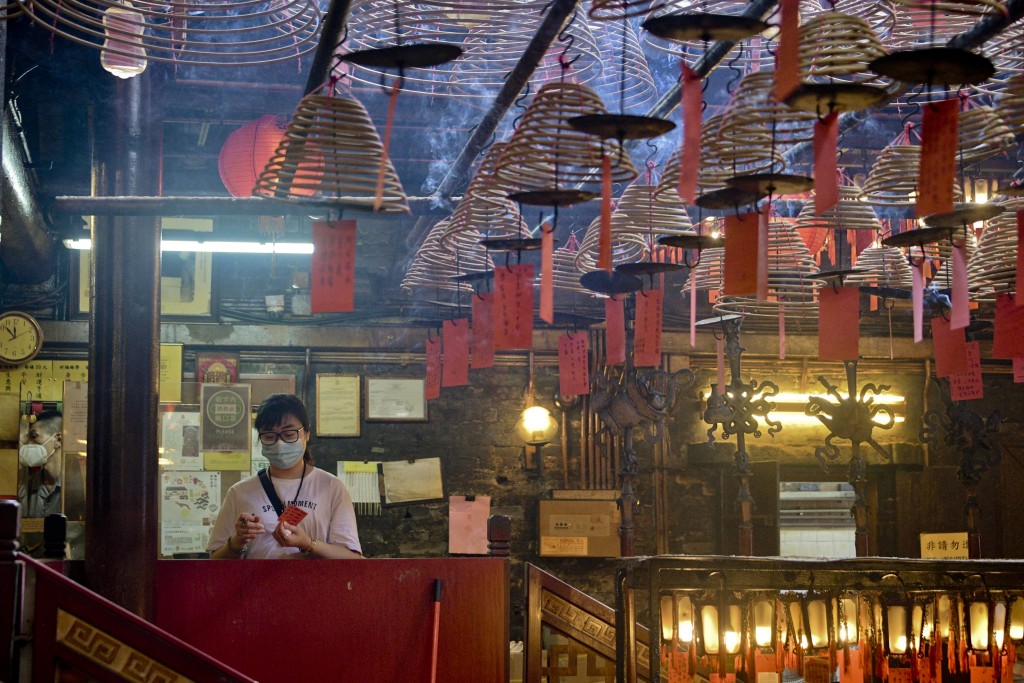
Built 178 years ago, the temple has long been a key cultural site. It was originally a place of worship for the Civil and Martial Gods, and also served as a gathering place for the Chinese community to discuss important matters and resolve disputes.
Since 1957, the Tung Wah Group of Hospitals (TWGHs) has conducted the rites in line with traditional Chinese customs, praying for peace and prosperity across Hong Kong.
In 2014, the event was officially added to the government's first "Intangible Cultural Heritage Inventory of Hong Kong," highlighting its important cultural value.
Mak praised TWGHs for its long-standing work in preserving and promoting this intangible cultural heritage.
She noted that through maintaining the Autumn Sacrificial Rites tradition, the organization has improved public awareness of local customs and played a major role in safeguarding Hong Kong's cultural history.
Orlando Ho Yau-kai, the chairman of TWGHs, expressed that seeing so many taking part in the Autumn Sacrificial parade made him deeply aware of the unifying power of traditional culture.
"The celebration, which has continued for nearly a hundred years, not only passes on precious intangible cultural heritage but also closely connects the community," Ho said.
Separately, TWGHs also held a series of cultural performances and heritage experience activities at the Li Shiu Chung Memorial Building on Sunday afternoon.
The program included Chinese-style hip-hop, unicorn dance, face-changing acts, fancy rope-skipping, ethnic dances, and drum dance performances.
The event also featured craft booths where visitors could try traditional skills such as sugar painting, Chinese knotting, lacquer fan painting, and dough figurine making.