





Read More



Night Recap - October 9, 2026
11 hours ago






Thailand plans entry and exit fees totalling $338 for air travellers
09-10-2026 03:37 HKT


Woman found dead in tent at Sai Kung campsite
09-10-2026 03:51 HKT
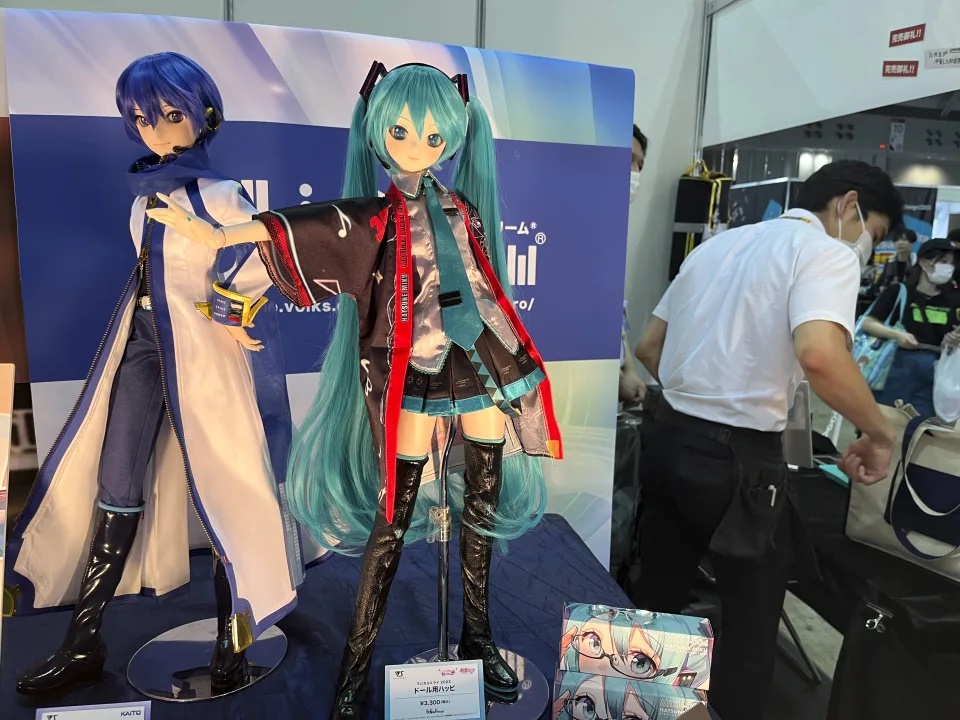
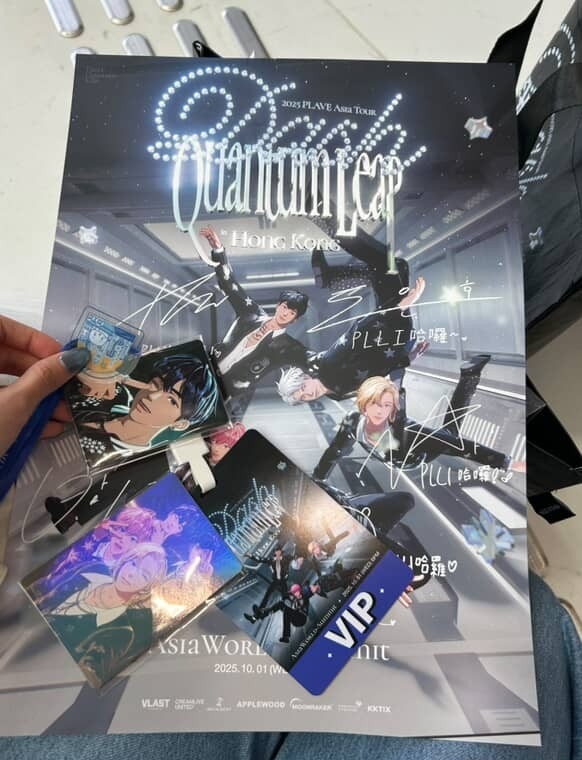
Hong Kong is set to welcome Japanese virtual singer Hatsune Miku next month, after South Korea's virtual boy band PLAVE received a warm welcome at AsiaWorld-Expo on October 1.


As the trend of virtual idols gains momentum worldwide, a significant market has emerged. Hatsune Miku, who debuted in 2007, has generated approximately 10 billion yen (around HK$517 million) by 2017. Riding on her popularity, Miku starred in a sci-fi animated film that grossed over US$12.3 million (around HK$95.94 million) worldwide and kicked off the "Hatsune Miku Expo," with the Hong Kong stop scheduled for November 8.
Another example is Luo Tianyi – a popular Chinese virtual singer backed by the video-sharing platform Bilibili – who has showcased her talents through augmented reality at major events, including a collaboration with renowned pianist Lang Lang.
Tech insiders highlighted that developing a local star is far more challenging than expected, though the city has sufficient technology and potential applications.

In Hong Kong, the virtual girl group Spiral debuted in 2023, with members wearing sensor-based suits that allow their 3D avatars to dance in sync with on-screen performances.
Local singers Tyson Yoshi and Serrini also held a groundbreaking concert that simultaneously occurred in reality and the metaverse, drawing over 1,500 attendees and 29,000 online viewers.
These virtual productions come from the local music tech platform MUXIC, co-founded by Kenneth Chau.
He described the concert as particularly challenging as it not only requires the real-time translation of performances by two singers into a virtual world, but each audience member can also create their own personal virtual avatar to enjoy the show from a unique perspective.
Chau revealed that the concert required 3,000 servers – rented from Singapore at a cost exceeding HK$1 million – to accommodate interactions for all participants.
He expressed confidence in Hong Kong's potential to develop virtual idols but acknowledged that the small market might limit industry growth.
He further stressed the need for compelling narratives and sustained promotion to allow companies to recognize the commercial value of virtual characters.
To accelerate the adoption of the technology, Chow suggested creating virtual avatars for popular artists and even originating characters that can be tailored to corporate events, bridging the gap between virtual and real-world performances.
Animator Miriam explained that virtual characters are created using polygon modeling techniques, broadly categorized into two styles: "anime" and "realistic."
"The designs must be creative to capture the audience's attention," she stated.
While the anime style features larger polygons and faster rendering times, saving on computing power and costs, it can appear somewhat rough. In contrast, the realistic style offers a lifelike effect that adheres to human proportions, though the complex process requires multiple layers of rendering for skin color, texture, and highlights, naturally increasing costs.
Miriam cited the late American singer Whitney Houston, who had a 3D hologram tour after her passing, showcasing a virtual likeness that is strikingly realistic and necessitates powerful engines and software.
She notes that the current development team utilizes game engines, such as the Unreal Engine used in the video game "Black Myth: Wukong," which renders images in great detail in real-time.
With the increasing application of AI technology, Miriam noted that it helps reduce the time needed to design different character images.