





Read More


Night Recap - May 22, 2026
8 hours ago






ImmD crackdown targets moonlighting domestic helpers arresting 17
19-05-2026 17:52 HKT

One dead, four injured in Jordan flat fire, 200 residents evacuated
22-05-2026 00:48 HKT


The Standard Chartered Hong Kong Marathon 2026, set for January 18, has stirred widespread frustration among local runners after the second round of ballot results was announced on Friday, with many taking to social media to express disappointment over their failure to secure a spot.
With a record-breaking 120,000 applicants vying for 74,000 slots, the event’s organizer, the Hong Kong, China Association of Athletics Affiliates, noted that this year’s oversubscription was the highest ever, reflecting the marathon’s growing popularity.
However, the low ballot success rate has sparked calls for reform, including a proposal from a lawmaker to split the event over two days to accommodate more participants.
The marathon’s unprecedented 120,000 applications underscored its status as a major sporting event, but the intense competition left many local runners empty-handed.
Social media platforms were flooded with posts lamenting the difficulty of securing a spot, with some runners expressing disbelief at their repeated bad luck in the ballot.
Others shared stories of friends and family members who also missed out, with one user noting that they knew at least ten people who failed to get a slot.
The high demand has fueled perceptions that the ballot system is increasingly challenging, particularly for local runners who have participated successfully in previous years.
The ballot system faced scrutiny, with some runners questioning whether an increase in charity and overseas participant slots reduced opportunities for the general public.
Complaints surfaced about the high cost of charity slots, which some described as akin to buying a place in the race.
There was also speculation that more slots were allocated to non-residents to attract international runners, potentially at the expense of local applicants.
These concerns amplified calls for the organizer to review the allocation process and ensure a fairer distribution of slots for local enthusiasts.
Amid the outcry, some runners suggested splitting the marathon into two days to boost capacity and improve logistics.
One idea was to hold the 10-kilometer race on Saturday and the half-marathon and full marathon on Sunday, utilizing existing race routes and resources more effectively.
Supporters argued this could streamline operations, as the 10-kilometer course does not overlap with the longer races, requiring only an extra day for the Victoria Park finish line and baggage area.
However, skeptics noted that splitting the event might not significantly increase slots for the half-marathon and full marathon, as road capacity remains a limiting factor.
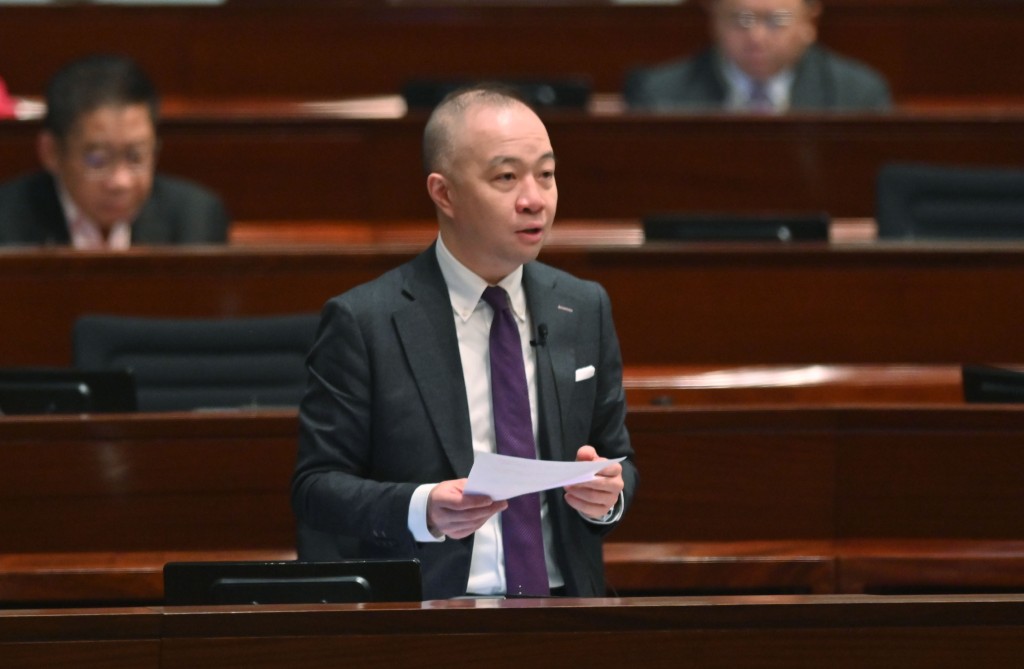
A seasoned marathon participant and Legislative Council member Benson Luk Hon-man emphasized that the event’s scale is constrained by the need to balance road closures with public convenience.
Closing major roads from midnight to afternoon disrupts other road users, making it challenging to extend closure times or increase participant numbers without overwhelming the system.
He proposed a two-day format as a viable solution, citing the organizer’s recent trial of a youth race at Kai Tak Sports Park the day before the main event as a step toward testing such arrangements.
He stressed the need for community consensus to balance the promotion of major sporting events with minimizing disruptions, while noting that the growing local running community and global marathon trends are intensifying competition for slots.