Read More
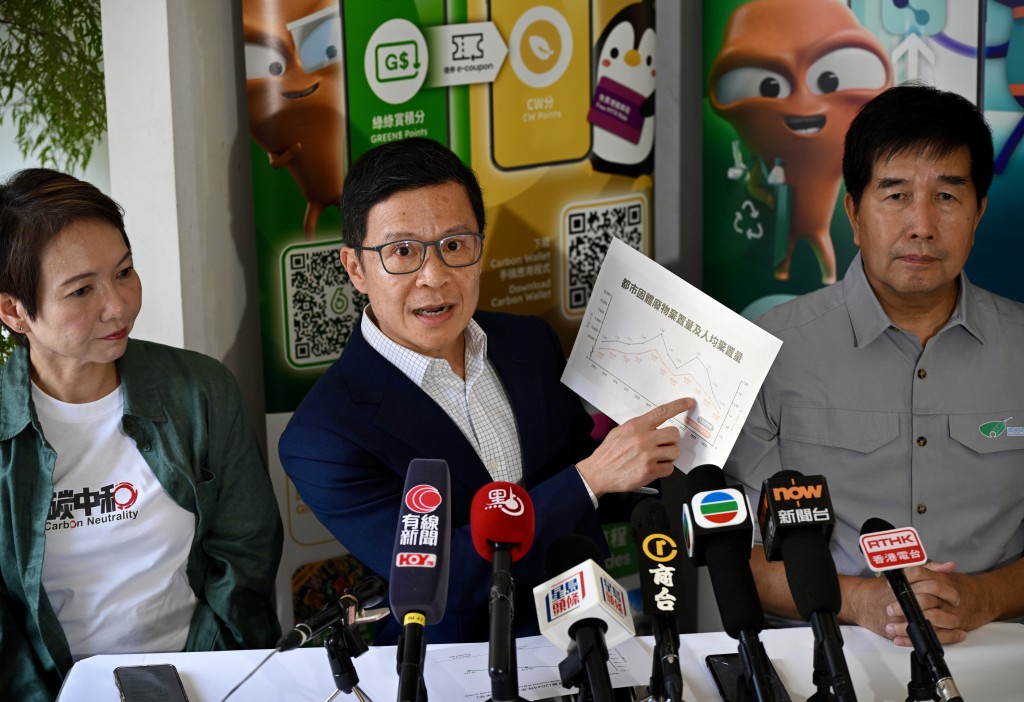
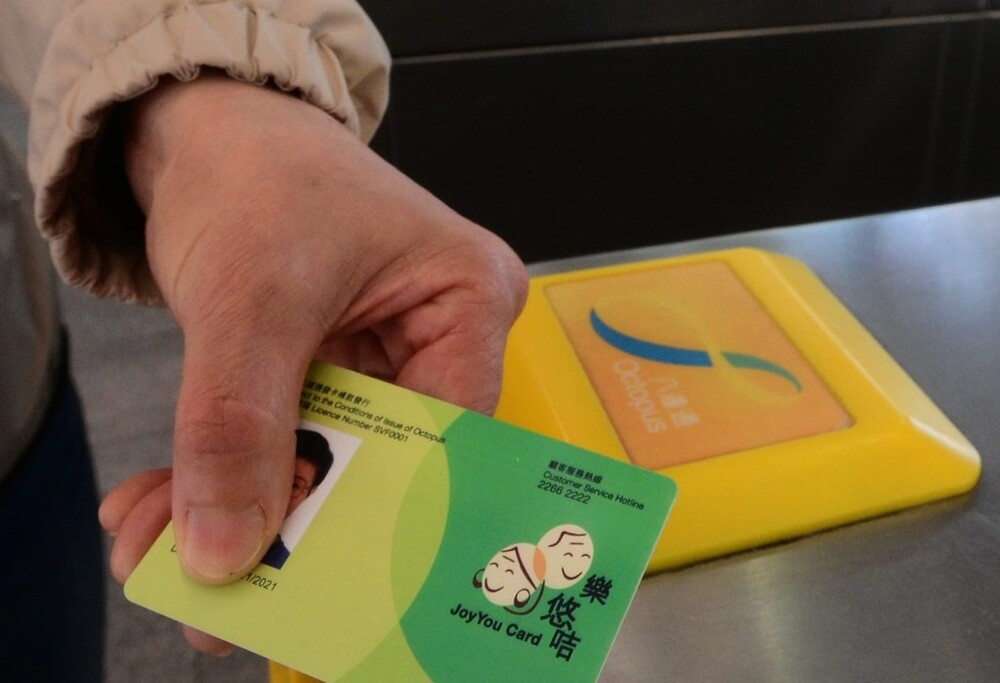
A voluntary waste reduction trend is taking hold as about 45 percent of residents using the government’s community recycling stations forgo reward points, said deputy director of Environmental Protection (Waste Reduction) Kenneth Cheng Kin, following the decision to suspend the municipal solid waste charging scheme.
ADVERTISEMENT
SCROLL TO CONTINUE WITH CONTENT
This came ahead of details the Environment and Ecology Bureau will provide the Legislative Council's Panel on Environmental Affairs on the suspension of the pay-as-you-throw waste charging scheme.
Cheng said various tools can help the city achieve its "Zero Landfill" goal by 2035, as public momentum for recycling grows.
He emphasized that the government's focus is on sustaining this positive trend, and recent polls show that 70 to 80 percent of residents oppose implementing the waste charge now, with industry also urging a delayed rollout.
He stressed that the government seeks cost-effective tools for maximum social benefit.
Highlighting progress, Cheng reported that the daily average of municipal solid waste disposal dropped from 11,358 tonnes in 2021 to 10,141 tonnes this year, a reduction of 1,217 tonnes daily.
The recycling rate rose from 28 percent in 2020 to 34 percent last year.
The "Green @ Community" recycling network collected 60 percent more recyclables last year, with a further 20 percent rise in this year's first half.
Cheng noted that the I·PARK1 and upcoming I·PARK2 waste-to-energy facilities will process 9,000 tonnes daily.
He said reducing daily waste by another thousand tonnes could achieve "Zero Landfill" by 2035 without a third facility.
The government will focus on public education, improving recycling networks, industry collaboration, and leveraging market forces.
Cheng said the economic climate requires more communication with businesses to find practical measures, citing upcoming producer responsibility schemes as promising initiatives.
On residential recycling, he pointed to the voluntary "Waste Reduction and Recycling Charter's" success.
Launched last June, it encourages estates to provide bins for paper, plastics, metals, cartons, and food waste.
About 900 properties covering over 760,000 households were signed within a year.
Cheng said this voluntary approach proves more effective than legislation, yielding higher participation.
The "Waste Blueprint for Hong Kong 2035" aims to reduce per capita waste disposal by 40-45 percent and raise the recycling rate to 55 percent.