Read More
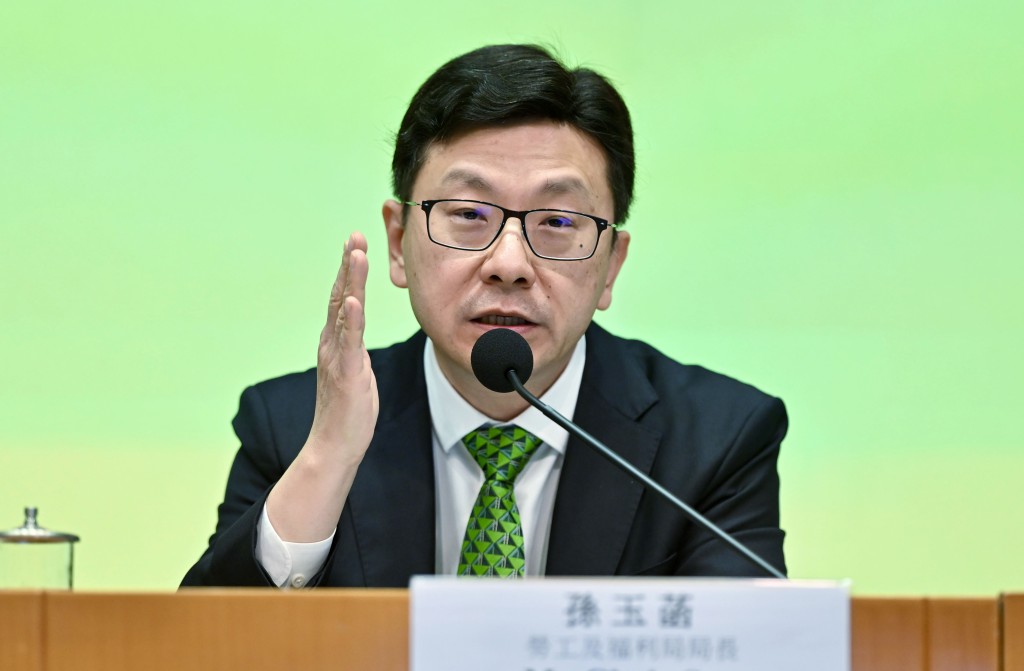
Chris Sun Yuk-han, Secretary for Labour and Welfare, detailed new measures in the Policy Address on a radio program on Friday, to reform the Enhanced Supplementary Labour Scheme, emphasizing the prioritization of local employment.
ADVERTISEMENT
SCROLL TO CONTINUE WITH CONTENT
Reforming the supplementary labor scheme
He noted that the scheme, operational for two years, has brought in 32,000 foreign workers, with half employed in the catering industry.
To ensure local workers are prioritized, Sun explained that the recruitment period for roles like waiters and junior chefs will be extended to six weeks, and businesses must maintain a two-to-one ratio of local to foreign workers.
He stressed that while the scheme supports industries facing labor shortages due to Hong Kong’s shrinking workforce, the primary goal is to protect local job opportunities.
Strengthening worker protections during extreme weather
Addressing public concerns following Super Typhoon Ragasa’s impact last week, Sun highlighted that there were voices calling for better worker protections during extreme weather.
He referenced the Labour Department’s guidelines, which urge employers and employees to agree on work arrangements in advance, prioritizing employee safety.
Sun emphasized that employers bear legal responsibility for workplace safety, and workers facing unreasonable demands can seek assistance from the Labour Department.
Boosting support for caregivers
Sun also outlined the increased support for caregivers, with the government allocating HK$500 million annually to enhance services.
He underscored the growing focus on caregiver needs, citing initiatives like a three-year caregiver support program and a dedicated hotline.
Since July, collaboration with the Housing Authority and Hospital Authority has helped identify “single elderly” and “dual elderly” households for early assistance.
Sun noted that the Hospital Authority notifies the Social Welfare Department when caregivers receiving low-income subsidies are hospitalized, ensuring timely support.
Of over 500 caregivers admitted to hospitals, most had arranged care for their elderly or disabled family members, with only two needing additional help.
Addressing needs in an aging society
With around 500,000 such households in public housing, Sun said the government will initially focus on these families, with plans to later support elderly residents in older tenements and private buildings through potential partnerships with property management companies.
He emphasized that as Hong Kong’s population ages, both government resources and family involvement are crucial to support the elderly.