Read More


Morning Recap - September 22, 2026
3 hours ago











Law Society proposes allowing solicitors to be appointed Senior Counsel
21-09-2026 01:56 HKT


As Hong Kong confronts the realities of a rapidly aging population, a new survey by global consultancy McKinsey & Company has uncovered growing concerns about the city’s retirement preparedness. The findings suggest that many residents are unprepared for life after work—financially and emotionally—raising important considerations for individuals, industry leaders, and policymakers.
The study, based on responses from 1,245 residents surveyed in July 2025, found that 70 percent fear they will outlive their retirement savings, and half admit they have no clear retirement plan. These concerns come at a time when one in five residents is already over the age of 65—a figure expected to rise to 36 percent by 2046.
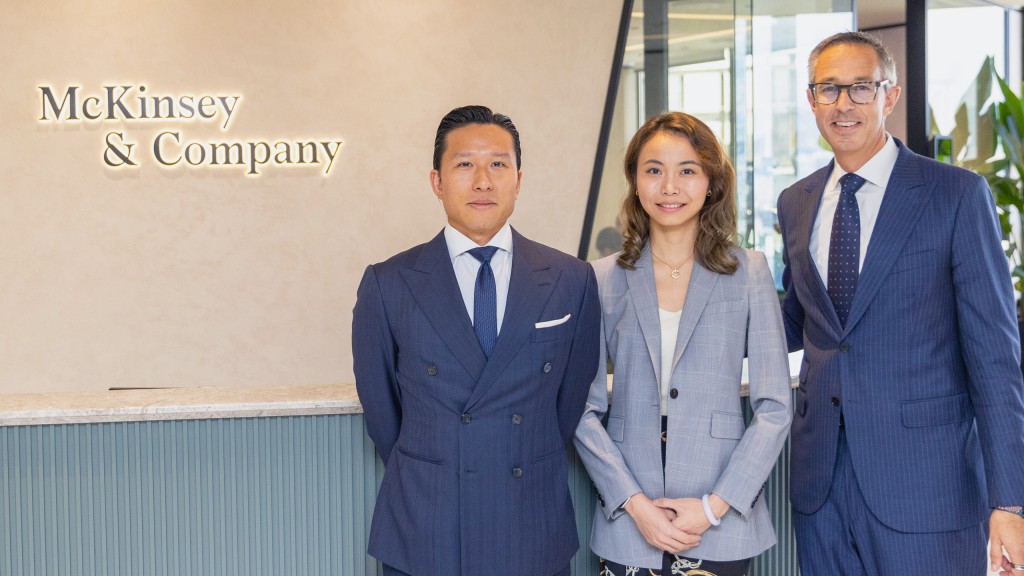
Bernhard Kotanko, Senior Partner at McKinsey’s Hong Kong office and leader of the firm’s Asia Insurance Practice, described the results as a wake-up call. “The survey offers a comprehensive snapshot of how Hong Kong residents are thinking about retirement—from financial preparedness to healthcare and lifestyle aspirations. It reveals critical gaps that can be addressed by financial advisors and insurance professionals. By promoting a proactive approach to planning and care, we can empower our Silver Generation to thrive with confidence and security,” he said.
The survey revealed that while two-thirds of residents expect to retire after the age of 60, around 20 percent anticipate working beyond 65. However, more than 40 percent say they are not confident that their current investments will sustain their retirement. Among those nearing or already in retirement, only 16 percent of respondents aged 55 to 65, and 23 percent of those aged 65 and above, reported savings exceeding HKD 10 million—well short of the HKD 20 million that financial advisors recommend for a comfortable retirement.
Respondents cited various barriers to better preparation. Many pointed to financial obligations that prevent them from saving more, while others reported limited access to professional advice or found existing planning tools too complex. Notably, one-third said they simply do not have time to plan, and over a quarter believe retirement still feels too far off to prioritise.
Despite these challenges, residents are increasingly turning to professional advisors for guidance. Bank relationship managers and insurance agents ranked among the most trusted sources of advice, while social media is playing a growing role in influencing retirement decisions. Reliance on family and friends, once a more common source of support, is declining.
Beyond financial concerns, the study also explored how residents envision their retirement years. An overwhelming 86 percent expressed a preference to age at home, rather than in institutional care. This is driving demand for home-based medical care, personal assistance, and smart home solutions that promote independence. Many respondents said they are willing to invest in services such as housekeeping, transport support, and home modifications that make aging in place more feasible.
Older adults, especially those over 65, showed a stronger inclination than younger cohorts to pay for advanced medical technologies and chronic disease management. The report highlights a growing belief that retirement should be about quality of life—not just longevity. Nearly 30 percent of older respondents said they would spend at least HKD 10,000 per month on lifestyle-related expenses, with another 25 percent budgeting between HKD 3,000 and 10,000.
Arthur Shek, Managing Partner of McKinsey’s Hong Kong office, emphasised the need for financial institutions and insurers to evolve. “The industry must move beyond product-driven models and focus on delivering transparent, personalised, and integrated retirement solutions,” he said. “This includes everything from lifelong income strategies to home-based care that empowers people to age with dignity and purpose.”
The findings also present opportunities for transformation across sectors. Financial institutions are encouraged to shift from focusing solely on getting people to retirement, to supporting them through longer post-retirement lives. Simplifying planning tools and improving access to financial advice will be essential. Healthcare providers are urged to expand home-based and preventative care services, while employers can support employees with financial wellness programs. Broader ecosystem players—including fitness, social engagement, and lifestyle service providers—can contribute by offering affordable, tiered services tailored to aging adults.
Jady Ye, Associate Partner at McKinsey’s Hong Kong office, summed up the changing mindset. “Retirement is no longer just about financial security; it’s about living with confidence, purpose, and fulfillment,” she said. “Hong Kong’s Silver Generation is seeking better healthcare, richer lifestyle experiences, and greater independence. Meeting these aspirations will require integrated solutions that address both financial and personal needs.”