Read More
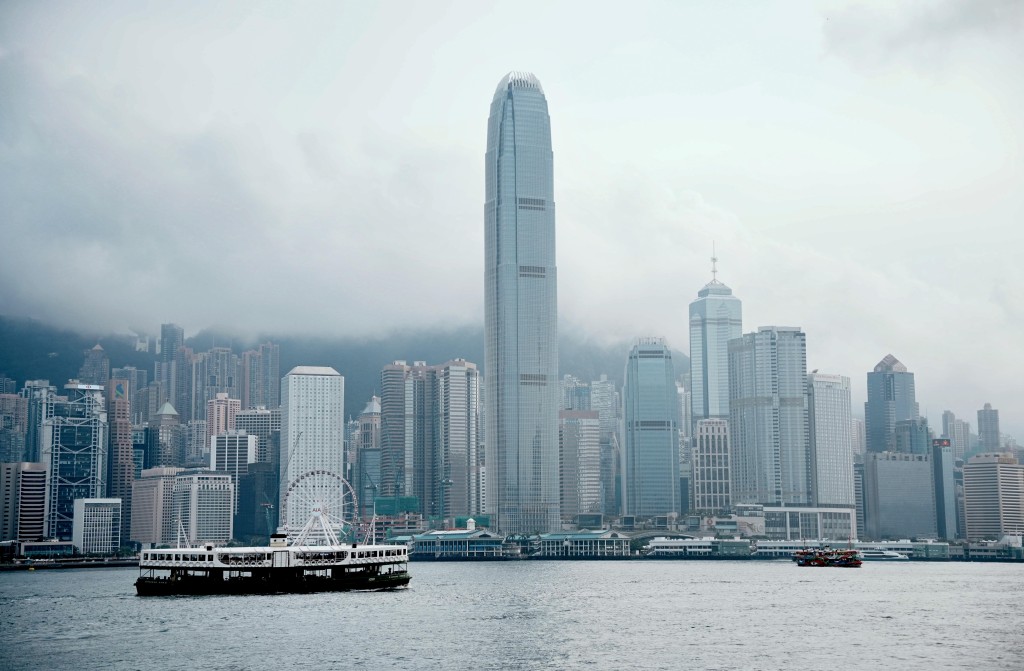
The Shenzhen-Hong Kong-Guangzhou innovation cluster has been named the world's top-ranked innovation hub in the 2025 Global Innovation Index (GII), marking a significant milestone after maintaining second place for five consecutive years.
ADVERTISEMENT
SCROLL TO CONTINUE WITH CONTENT
The cluster surpassed both Tokyo-Yokohama and San Jose-San Francisco, which now rank second and third, respectively, according to the World Intellectual Property Organization's latest report.
Beijing secured fourth place, while the Shanghai-Suzhou cluster, Seoul, and New York all ranked within the top ten.
WIPO Chief Economist Carsten Fink highlighted that the cluster's rise to the top position was significantly influenced by this year's introduction of venture capital deals as a new metric in the evaluation criteria.
The region has demonstrated a remarkable ability to attract substantial investment from both international and domestic venture capital firms, particularly in technology sectors.
The Greater Bay Area cluster shows particular strength in digital communications and computer technology, driven largely by Shenzhen's concentration of major technology companies, while also maintaining strong capabilities in the chemical and biotechnology industries.
Fink noted that the availability of development space and talent attraction policies across the region has been a crucial factor in fostering its innovative ecosystem.
Within the tri-city cluster, each area contributes distinct advantages: Hong Kong serves as a research and financing hub with world-class universities and strong academic output, while also facilitating cross-border collaboration.
Shenzhen provides technological commercialization capabilities, and Guangzhou adds manufacturing scale and research capacity.
Fink emphasized that maintaining this leading position will require continued investment in education and research systems, with particular attention to emerging fields like artificial intelligence.
He noted that both government and private sector support will be essential to sustain the innovation ecosystem, especially in technology areas such as battery systems, where AI can significantly enhance performance and development.
The index, by the World Intellectual Property Organisation, measures the amount of innovation activity in a cluster, with criteria including international patent filings, scientific publication,s and the newly added metric, venture capital deals.
Globally, the top 100 innovation clusters are distributed across 33 economies, with China hosting the most at 24, followed by the United States with 22 and Germany with 7.
The top ten clusters account for 40 percent of global patent applications and 35 percent of venture capital deals worldwide.
The Tokyo-Yokohama, Shenzhen-Hong Kong-Guangzhou, and Seoul clusters lead in patent filing volume, contributing 10.3 percent, 9 percent, and 5.4 percent of the global total, respectively.
When adjusted for population size, the San Jose-San Francisco cluster and Cambridge cluster emerge as the most innovation-intensive hubs.
A standout performer is Ningde, a city in China’s Fujian province, which jumped to fourth place in density rankings—driven largely by a surge in patent applications from Contemporary Amperex Technology Co. Limited (CATL), the world’s leading battery manufacturer.
In terms of scientific research output, Beijing, Shanghai-Suzhou, and Shenzhen-Hong Kong-Guangzhou ranked as the top three clusters globally.