





Read More



Night Recap - June 2, 2026
4 hours ago






Typhoon signals depend on low-pressure system’s track and speed, say HKO
01-06-2026 20:17 HKT
HK to bake in 36-degree heat on Friday before five-day rain spell
01-06-2026 17:31 HKT


A sharp increase in Hong Kong's catering sector unemployment rate has sparked a public disagreement among industry leaders on the necessity of continuing to import foreign workers, revealing a split in the industry's approach to tackling structural labor shortages.
The unemployment rate for Hong Kong's catering services activity rose from 6 percent to 6.4 percent, igniting a debate on the government's foreign labor policy.
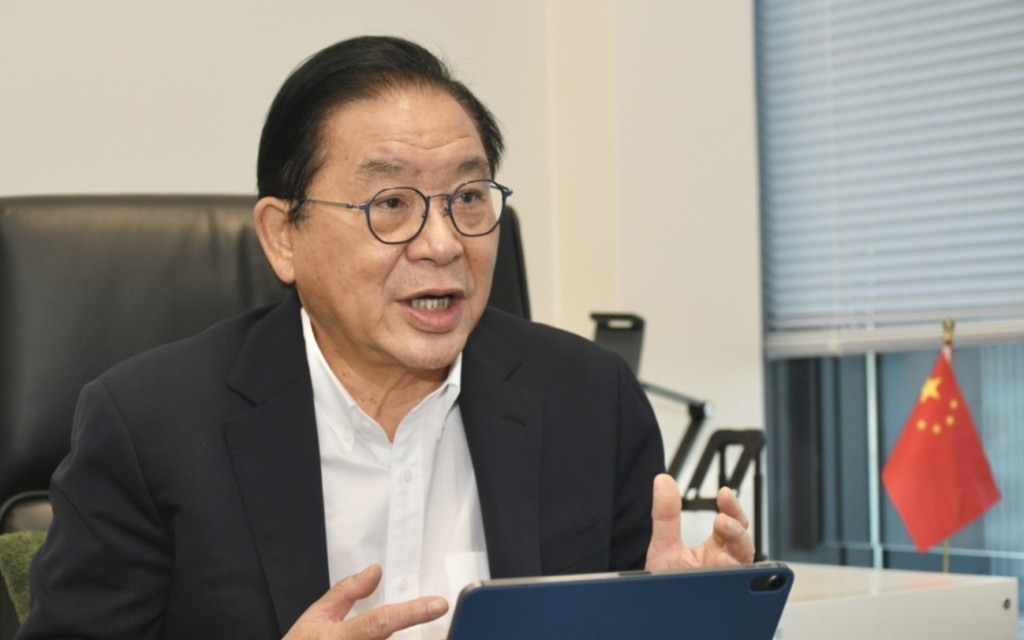
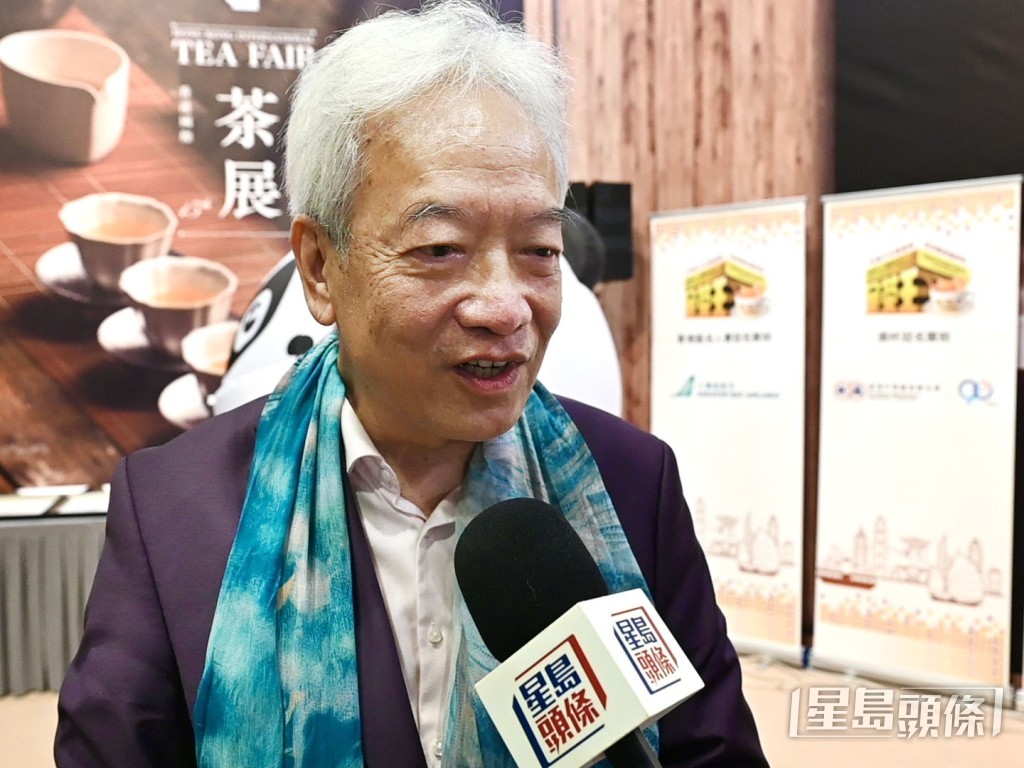
The issue has exposed a rift within the industry, notably between legislator Tommy Cheung Yu-yan and Simon Wong Ka-wo, President of the Hong Kong Federation of Restaurants & Related Trades (FRS).
The disagreement became public when Wong, on a radio program yesterday (Aug 21), stated there was "temporarily no need to import new foreign labor," a position quickly supported by the Hong Kong Federation of Trade Unions (FTU).
This put him at odds with others in the sector, including Cheung.
The plot thickened today when the Association of Restaurant Managers published an open letter on social media.
The letter, advocating for the continuation and optimization of the Supplementary Labour Scheme, was signed by seven industry associations.
Notably, signatories included Wong's own Hong Kong Federation of Restaurants & Related Trades.
In a swift response to the apparent contradiction, Wong explained his position to Sing Tao Daily, calling the joint letter a "strategic move."
He claimed his radio comments were a "personal opinion" and not in conflict with the association's official stance.
He clarified that he was advocating for a pause on new applications, not a cancellation of the policy, suggesting it could be reviewed as circumstances change, such as when existing foreign workers' contracts are up for renewal.
His association later posted a statement emphasizing its focus on the industry's structural manpower shortage.
It stated that while the sector prioritizes hiring and training local staff, foreign workers play a crucial "complementary role" in maintaining stable operations and upholding Hong Kong's reputation as a "gourmet paradise."
The open letter from the industry groups argued strongly that the labor shortage is a long-term, structural issue exacerbated by an aging population.
It cautioned against halting a crucial program based on short-term unemployment fluctuations, noting that many restaurants still have frontline vacancies despite some recent closures.
The letter stressed that the cost of hiring foreign labor is generally higher, proving it is a last resort after efforts to hire locally.
The government is now faced with conflicting messages from within the same industry.
Wong, in his earlier comments, had argued that the goal of the foreign labor scheme had been met, with approved quotas reaching 30,000, and that rising unemployment suggests local workers are available to fill jobs.
This public divergence of views highlights the difficult balance the government must strike between supporting local employment and ensuring businesses have the staff they need to operate and contribute to the economic recovery.