





Read More


Night Recap - June 2, 2026
3 hours ago


Typhoon signals depend on low-pressure system’s track and speed, say HKO
01-06-2026 20:17 HKT
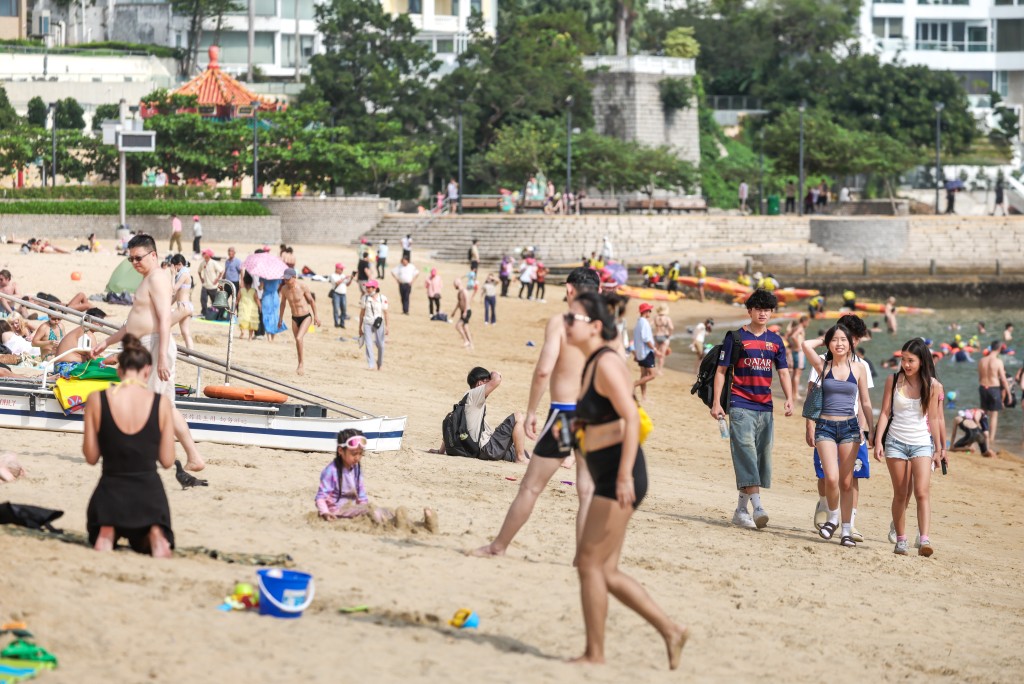
HK to bake in 36-degree heat on Friday before five-day rain spell
01-06-2026 17:31 HKT


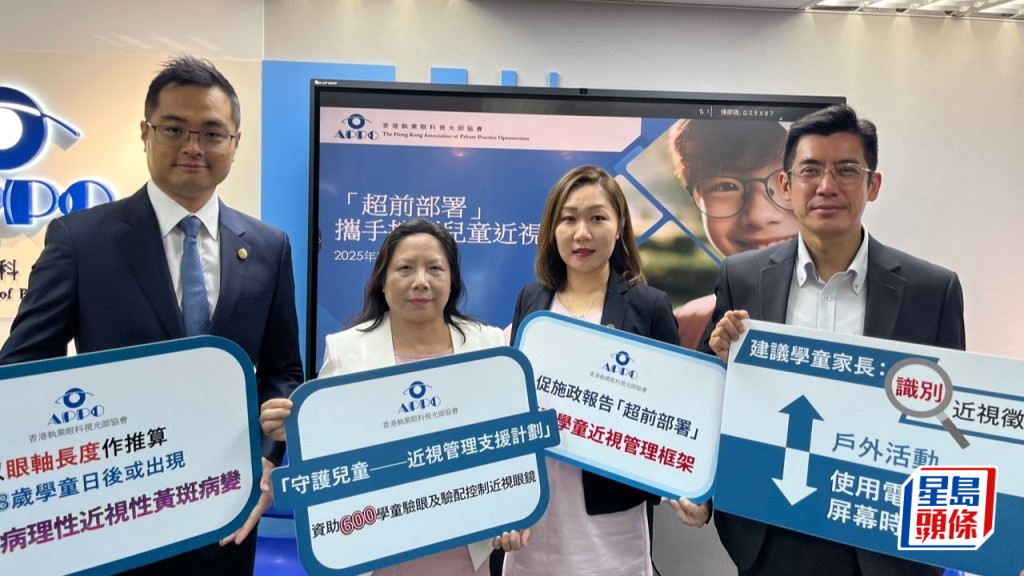
Around 20 percent of primary school students in Hong Kong who do not currently wear glasses have failed vision screenings, according to a recent survey, raising alarm among eye care professionals about a growing public health crisis.
The findings have led to calls for a comprehensive vision screening program across all primary schools in the city.
The Hong Kong Association of Private Practice Optometrists conducted vision tests for 710 pupils last year and found that one-fifth of those without glasses had substandard eyesight.
Notably, 35 percent of the children had not participated in the Department of Health’s Student Health Service, missing opportunities for early detection of vision problems.
Even among those who had undergone the official health assessment, some parents did not follow up with further examinations.
A 2023 survey by the same association revealed that parents often wait until their children complain of blurred vision before seeking professional eye checks.
In response, the association submitted a proposal to the government in June, urging officials to “stay ahead of the curve” by implementing a myopia management framework, incorporating axial length measurements into standard student health services, and launching a citywide vision screening program in all primary schools.
Axial length—the distance from the cornea to the retina—has emerged as a key international indicator for monitoring myopia progression.
The association warned that based on axial length projections, more than 13,000 children currently aged six to eight in Hong Kong may develop high myopia, potentially leading to 4,647 cases of pathological myopic maculopathy and 3,735 cases of glaucoma.
Benny Tam, vice chair of the task force on children’s eye health policy proposal, emphasized that high myopia significantly increases the risk of serious eye diseases, including blindness.
Tam urged the government to adopt axial length as a standard metric in myopia prevention strategies.
One case highlighted involved a five-year-old boy surnamed Ng, who was found during a school vision screening to have 850 degrees of myopia in his right eye and 100 degrees in his left—a difference of 750 degrees.
His grandmother shared that public hospital specialists offered no solution, advising them to consult private optometrists instead.
By July, his right eye had worsened to 1,050 degrees of myopia.
The family now relies on the grandmother’s senior welfare allowance to cover the cost of his myopia control glasses, as the official student health service does not include kindergarten children.
Queenie Yip Siu-lai, president of The Hong Kong Association of Private Practice Optometrists, pointed out that other regions in Asia have already established children’s eye health policies.
The association is urging Hong Kong to systematize primary eye care, improve referral mechanisms between optometrists and public medical services, and ensure low-income families have access to necessary diagnostic services.
Starting in September, the association will offer free vision screenings to primary schools and provide financial support to disadvantaged students requiring follow-up care.
Pediatrician Dr. Chang Kit also reminded parents not to rely solely on their children’s self-reporting of vision issues, advising adults to watch for signs such as misaligned eyes or squinting.