Read More
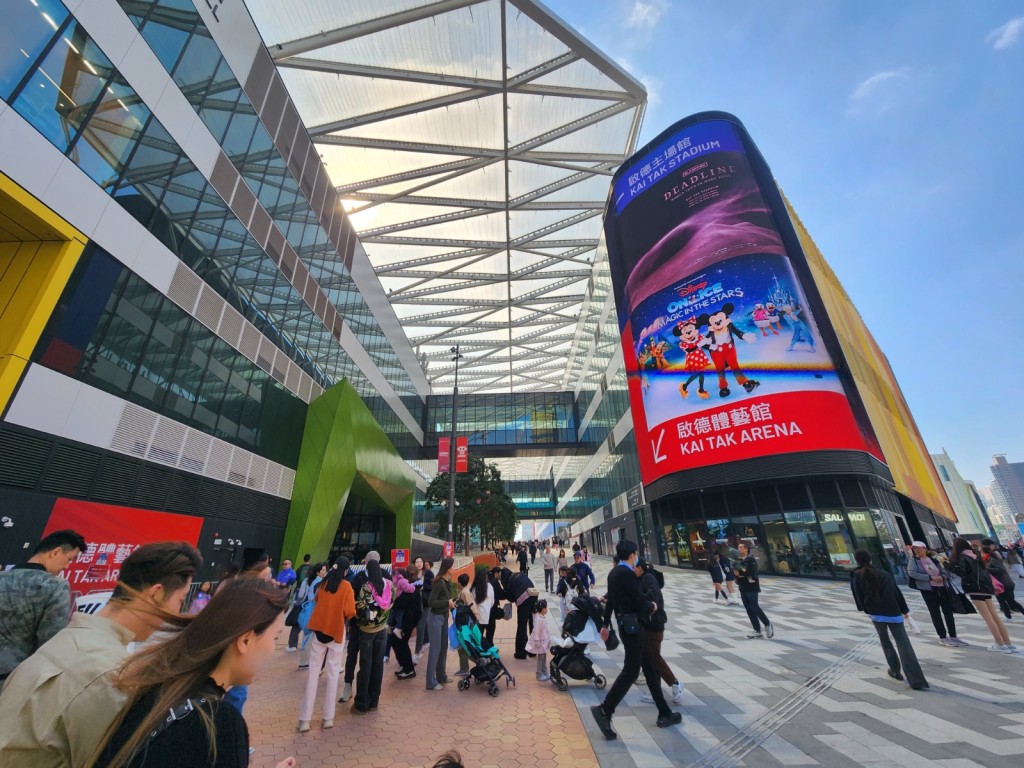
Kai Tak Sports Park (KTSP) is expanding its role beyond a premier venue for sports and concerts to become a central platform for advancing Hong Kong's green economy. This shift is driven by its comprehensive sustainability systems and a dedicated campaign to promote a plastic-free culture.
ADVERTISEMENT
SCROLL TO CONTINUE WITH CONTENT
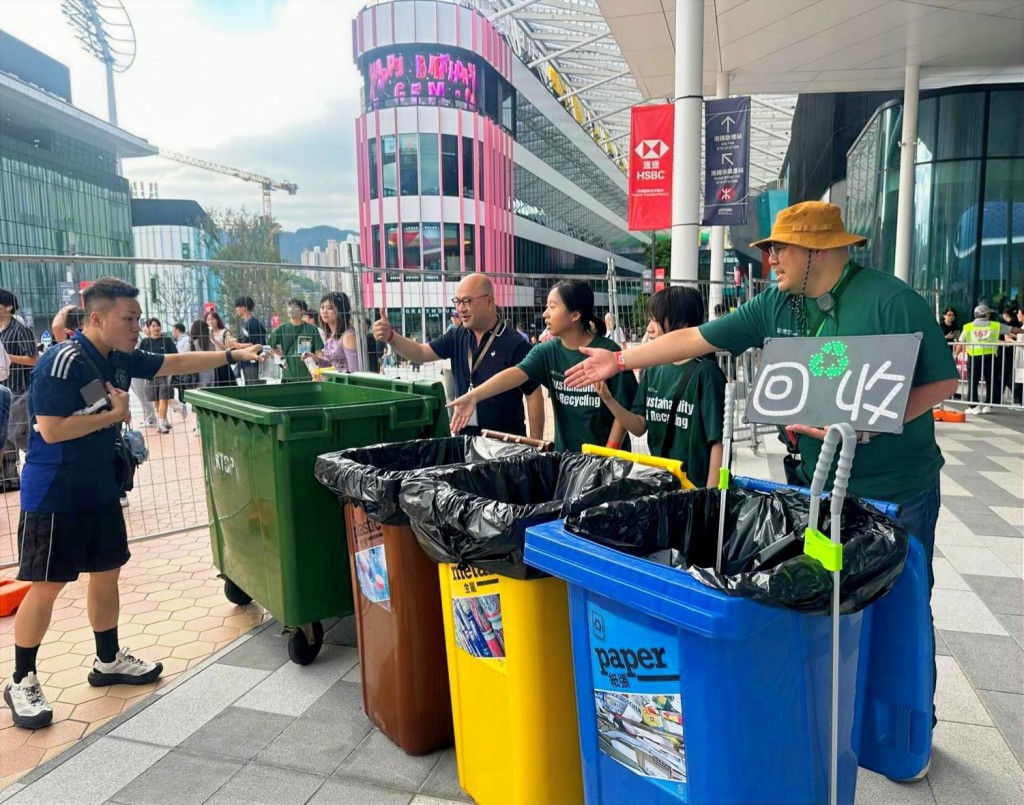
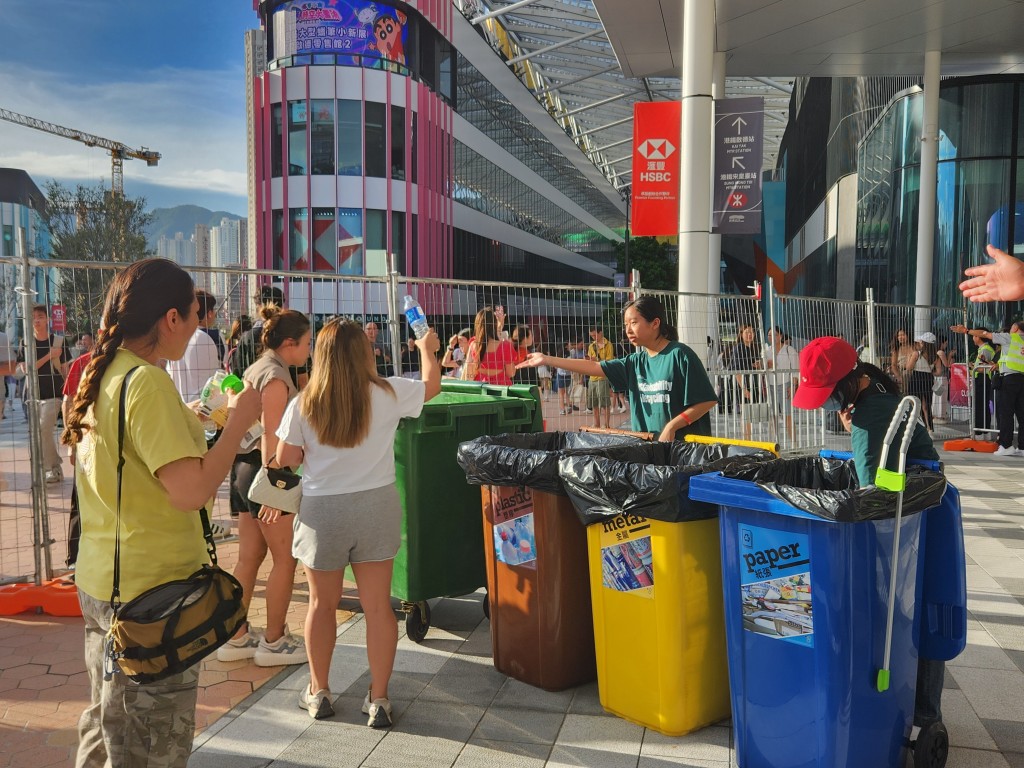
Embodying the principles of resource conservation and waste reduction, KTSP has implemented a robust waste sorting and recycling management system. Ambassadors are stationed throughout the venue to promote environmental awareness, educate the public on proper recycling practices, and facilitate the immediate collection of reusable materials.
Waste decomposition system converts waste into compost
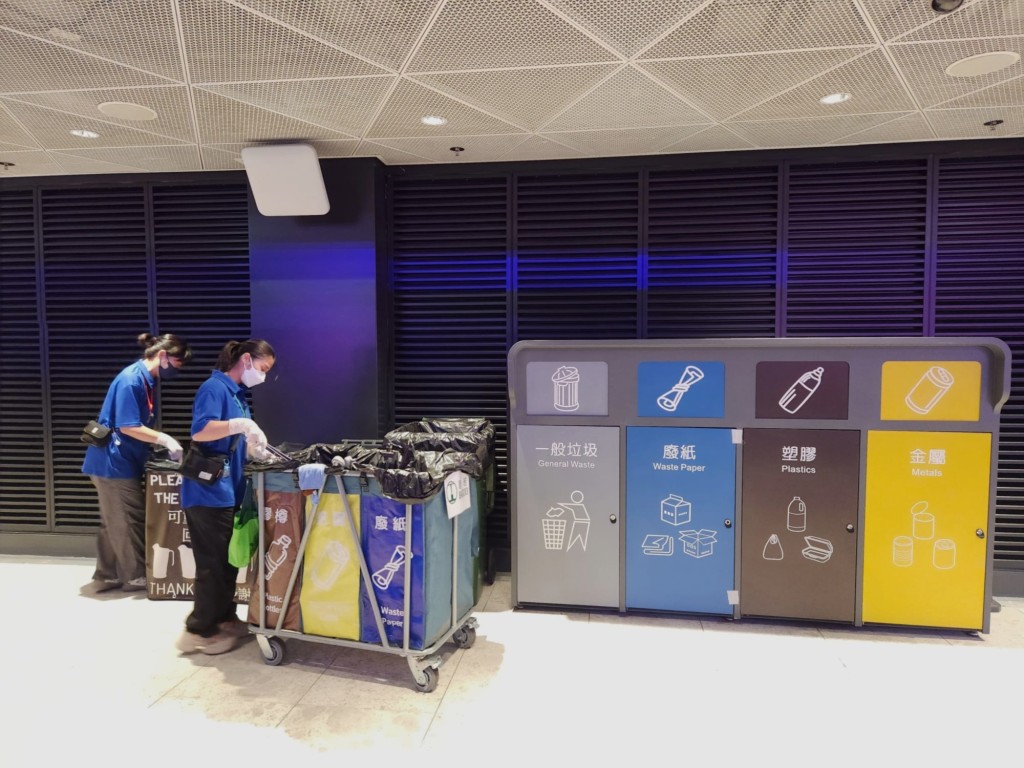
Strategically placed large recycling bins collect metals, paper, plastics, and glass containers. These materials are processed by the Park's large-scale decomposition system and transformed into compost for use in landscaping within the KTSP grounds.
A dedicated microbial decomposition system has also been introduced to convert food waste, paper cups, and other paper containers into compost for plant fertilization.
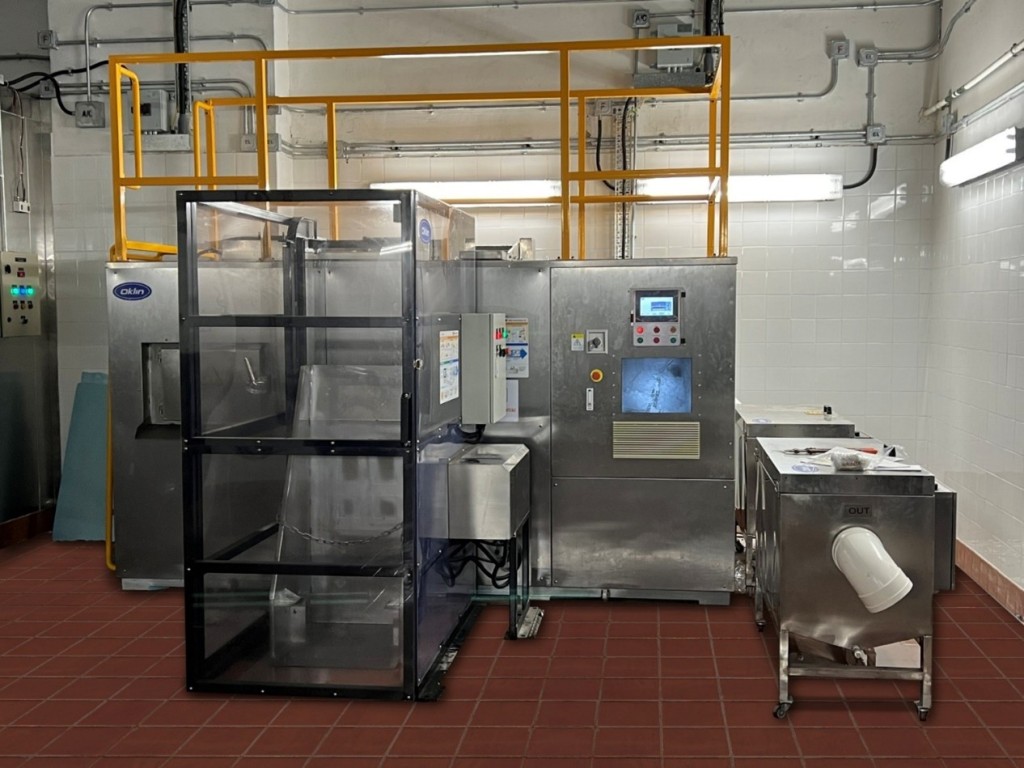
This system is projected to process more than 200 tons of waste annually, converting nearly 85 percent of solid waste into water vapor and creating a self-sustaining micro-cycle.
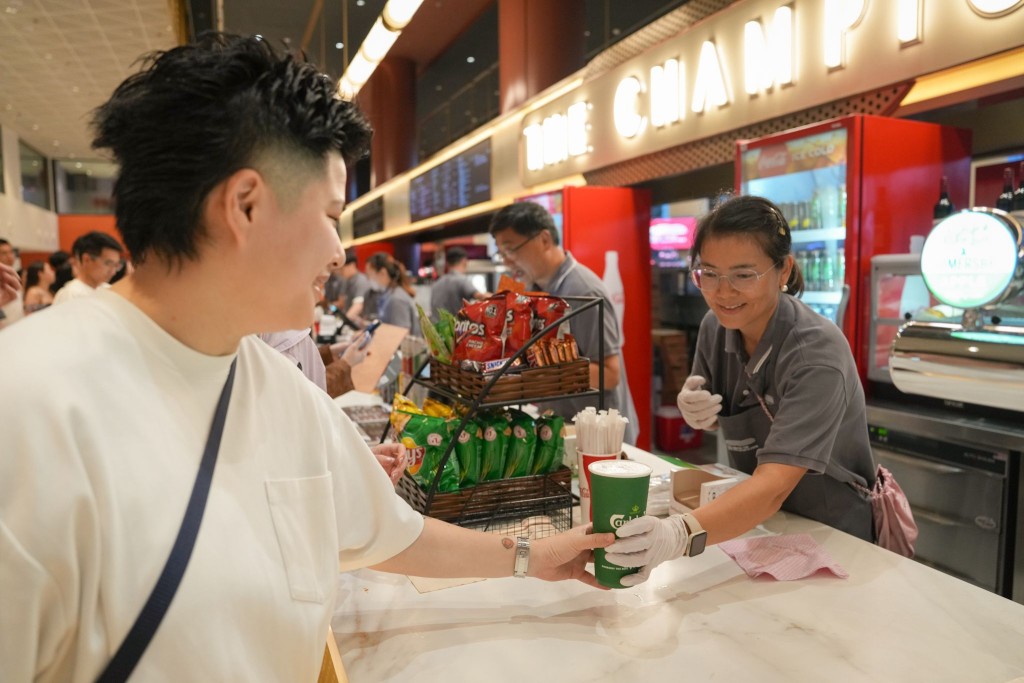
To further its plastic-free initiative and enhance the visitor experience, the park uses certified biodegradable paper cups for beverages. Plastic utensils have been replaced with wooden alternatives, complemented by bamboo chopsticks and napkins. Sugarcane straws and cup lids are provided only upon request, and all food containers are made from compostable paper materials.
Partnership with Baguio Promotes Circular Economy
In a related move to foster a circular economy, KTSP has partnered with green company Baguio to manage plastic bottle recycling.
All plastic bottles collected within the Sports Park are transported to Baguio’s sorting and recycling center. Select bottles are then sent to a recycling facility at the Tuen Mun EcoPark, where they are processed into food-grade rPET flakes.
These flakes are subsequently remanufactured into new plastic bottles and other high-quality plastic products.