Read More

Politicians call for CCTV to curb dog waste problem
07-08-2025 21:27 HKT

Morning Recap - October 13, 2026
1 hour ago


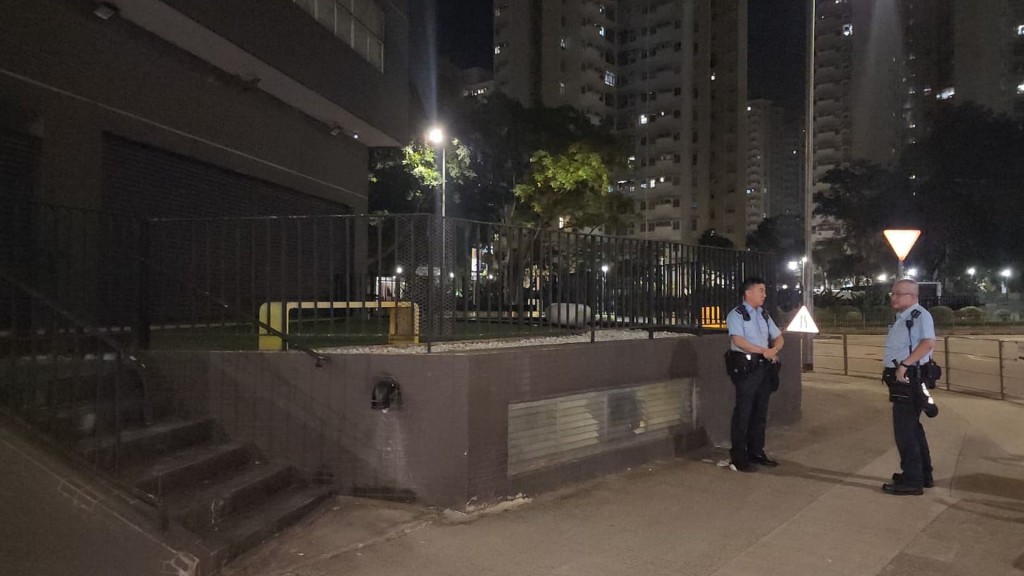


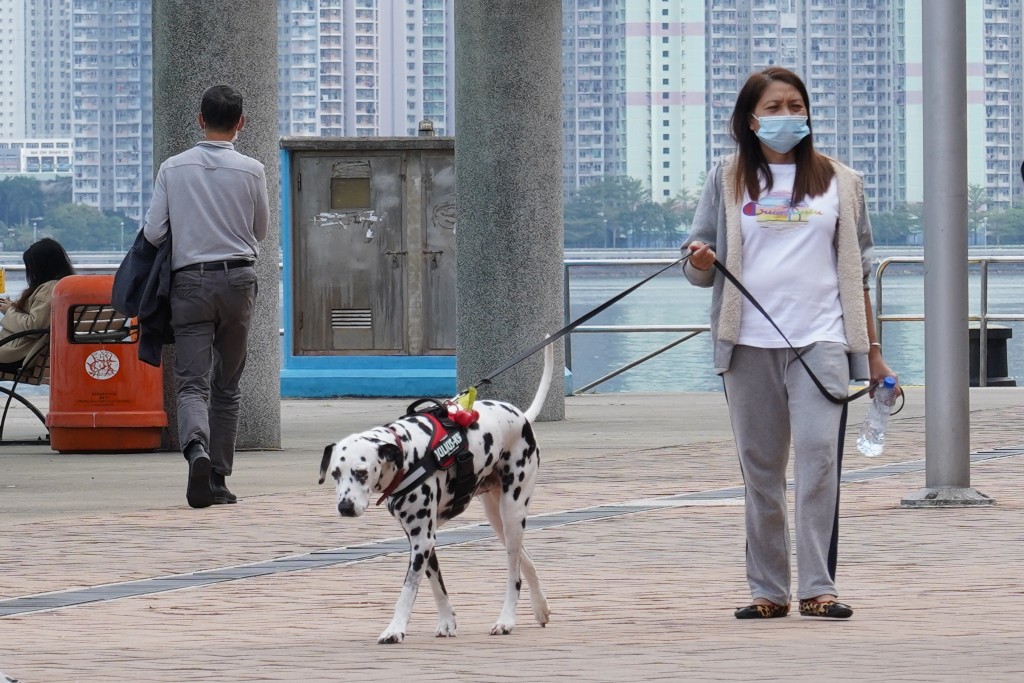
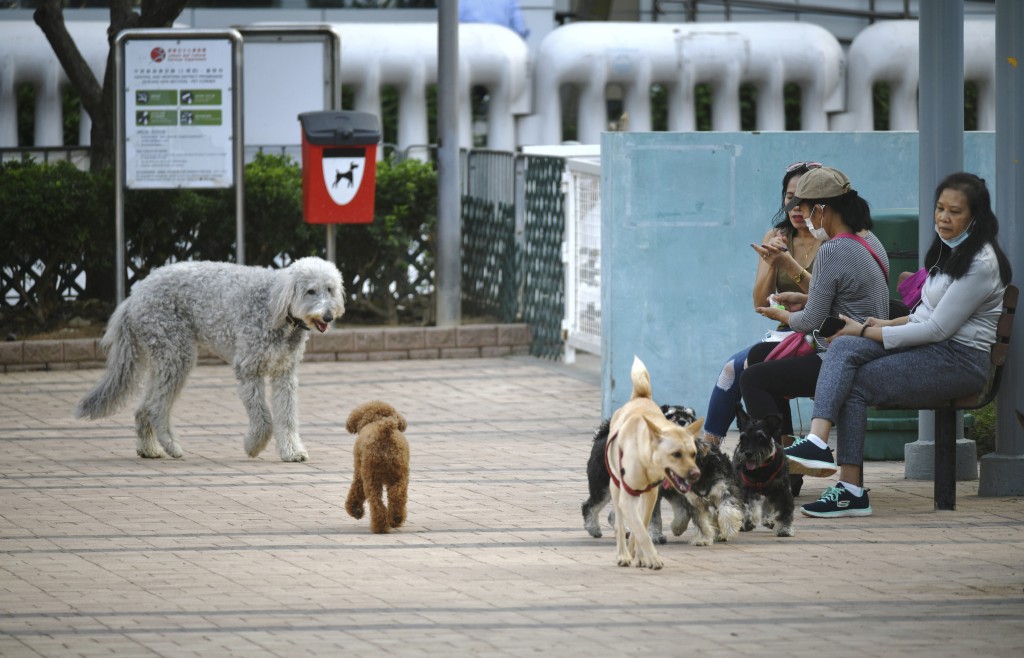
Hong Kong authorities fined 24 dog owners last year for failing to properly clean up their pets’ waste in public areas, as lawmakers push for updated cleanup guidelines—including the use of cleaning agents—to tackle lingering odors and stains.
However, the government has expressed concerns that such measures could create slipping hazards or pollute storm drains.
Current guidelines from the Food and Environmental Hygiene Department (FEHD) and the Agriculture, Fisheries and Conservation Department (AFCD) require pet owners to wrap dog waste in paper and dispose of it in bins or designated collection points, followed by rinsing the area with water. But critics argue this method fails to fully remove residue and foul smells, negatively impacting public hygiene.
Lawmaker Judy Chan Kapui raised the issue in a written inquiry today, questioning whether the government plans to revise its guidelines, such as instructing dog owners to use odor-neutralizing or stain-removing cleaners.
In response, Secretary for Environment and Ecology Tse Chin-wan said that while the proposal is under consideration, the potential risks of slippery surfaces and drainage contamination make immediate changes unlikely.
He emphasized that existing rules already suggested proper disposal and water rinsing, with ongoing public education efforts to promote compliance.
Regarding regulating dog urination, the government noted that marking territory is natural canine behavior and that water alone suffices for cleanup, ruling out legal amendments for now.
Meanwhile, enforcement data reveals a sharp rise in penalties, with total fines for dog waste offenses hitting HK$125,500 over the past three years. In 2024 alone, fines surged to HK$70,000—up from HK$33,000 in 2023 and HK$22,500 in 2022—following an increase in the fixed penalty from HK$1,500 to HK$3,000 in October 2023.
According to Hong Kong laws, maximum fines for fouling public spaces can reach HK$25,000.
The FEHD conducted 818 spot checks across 18 districts from 2022 to 2024, with a 16 percent year-on-year rise in 2024 (297 operations).
Yau Tsim Mong, Wong Tai Sin, and Kwun Tong recorded the highest enforcement activity, while Wan Chai saw a notable increase in inspections.
While the AFCD and Leisure and Cultural Services Department also enforce related laws, they do not maintain specific statistics on dog waste violations, said Tse.