Read More


Morning Recap - September 17, 2026
2 hours ago





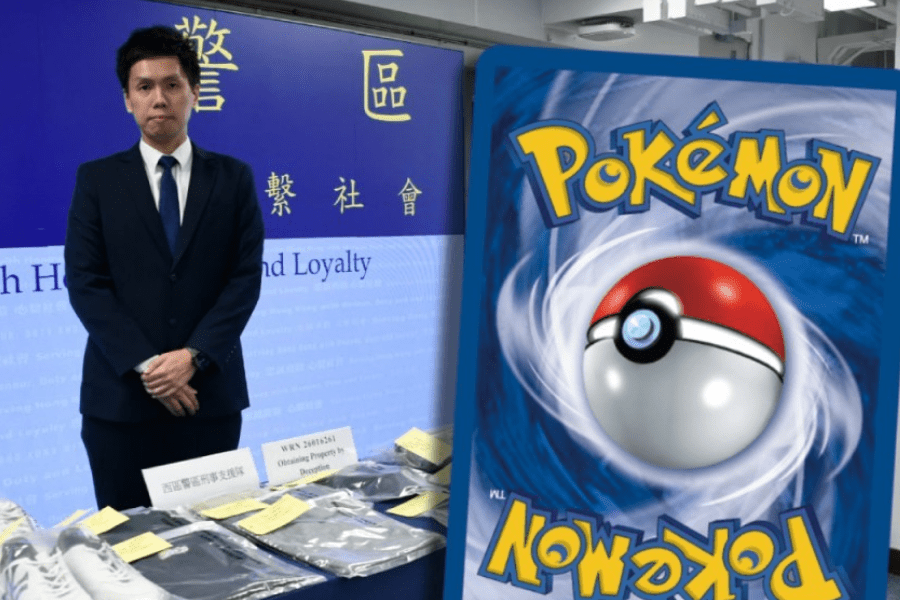
Four arrested over Pokémon card scams involving $101,000
15-09-2026 18:26 HKT
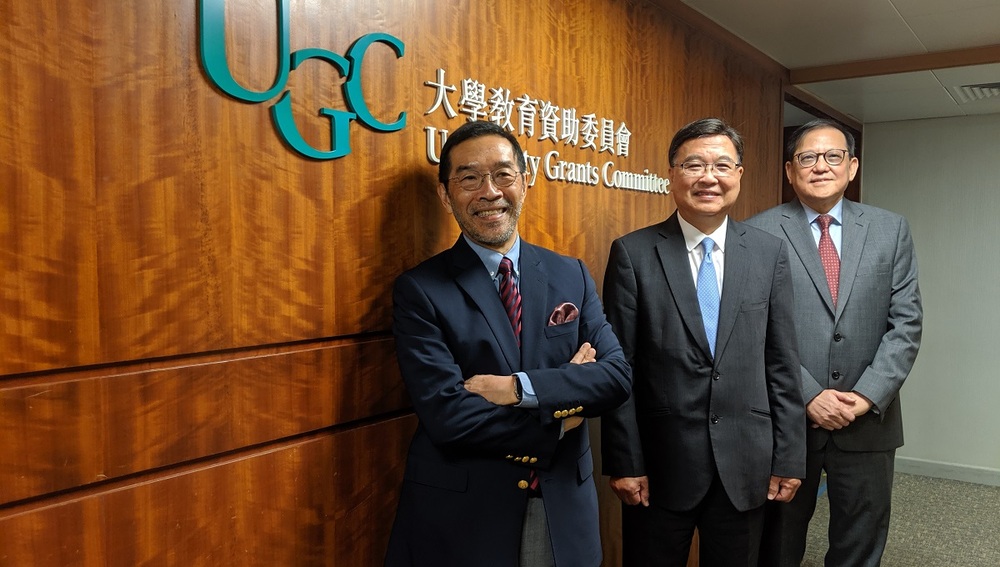
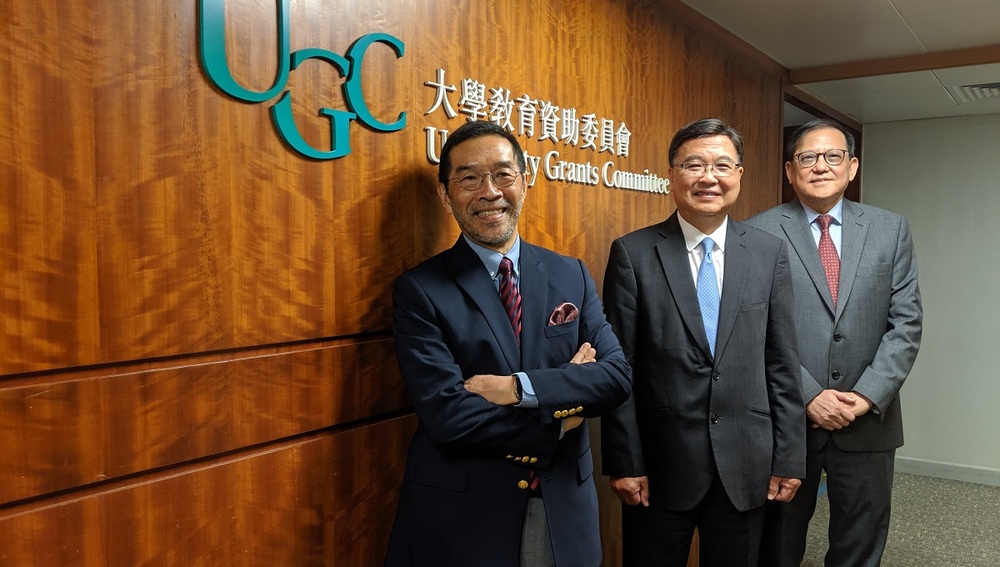
About 70 percent of research projects in local universities achieved international excellence, with 25 percent described by the University Grants Committee as "world leading."
Results of the research assessment exercise from 2020 were released yesterday, covering performances of the eight UGC-funded universities.
Sixteen thousand research outputs from October 2013 to September 2019 - involving some 4,200 academic staff, 340 research impact case studies and 190 research environment submissions - were assessed.
And 70 percent of them were judged to be "internationally excellent" or even better.
Twenty-five percent obtained the highest rating of four stars - meaning the work was "world leading" - and 45 percent gained three stars as "internationally excellent."
Those ratings were higher than the number six years ago when the exercise was last done when there were 46 percent in the four- and three-star brackets.
But grants committee chairman Carlson Tong Ka-shing said the results from 2020 and 2014 should not be compared directly because there were differences in methodologies and elements being assessed.
He said the latest results showed university research quality has gone from strength to strength.
"The UGC is extremely pleased with the results of the research assessment exercise 2020 and congratulates the eight UGC-funded universities and their researchers," he said.
"The encouraging outcome will provide positive guidance for the universities in their pursuit of excellence, which has benefited from the increased research funding from the government over the past few years."
The eight universities assessed are the University of Hong Kong, City University, Baptist University, Lingnan University, Chinese University, Education University, Polytechnic University and University of Science and Technology.
Asked if universities will suffer from any consequence for not opening courses based on the national security law, Tong said the UGC has the responsibility to remind universities about the law's requirement that teachers and students should "understand" its contents, but it depended on universities on how to act on that.
In fact, the grants committee has reportedly sent letters to universities about funding for 2022-2025 to say they should include instruction on the national security law and the Basic Law as a compulsory course.
On several universities asking staff and students to get vaccinated or undergo regular Covid-19 tests, Tong said he respects universities' autonomy in taking such action.
Being vaccinated is a civic responsibility, Tong added, and universities should encourage staff and students to get the anti-Covid jabs as that is the most effective and scientific way to tackle the pandemic.
The research projects were assessed by 361 scholars and research end-users from 13 slabs of disciplines such as biology, engineering and the humanities.
Seventy percent of the judges were nonlocal scholars from around the world to ensure the assessments are reached fairly and according to international standards.
maisy.mok@singtaonewscorp.com