





Read More


Night Recap - May 22, 2026
7 hours ago



ImmD crackdown targets moonlighting domestic helpers arresting 17
19-05-2026 17:52 HKT
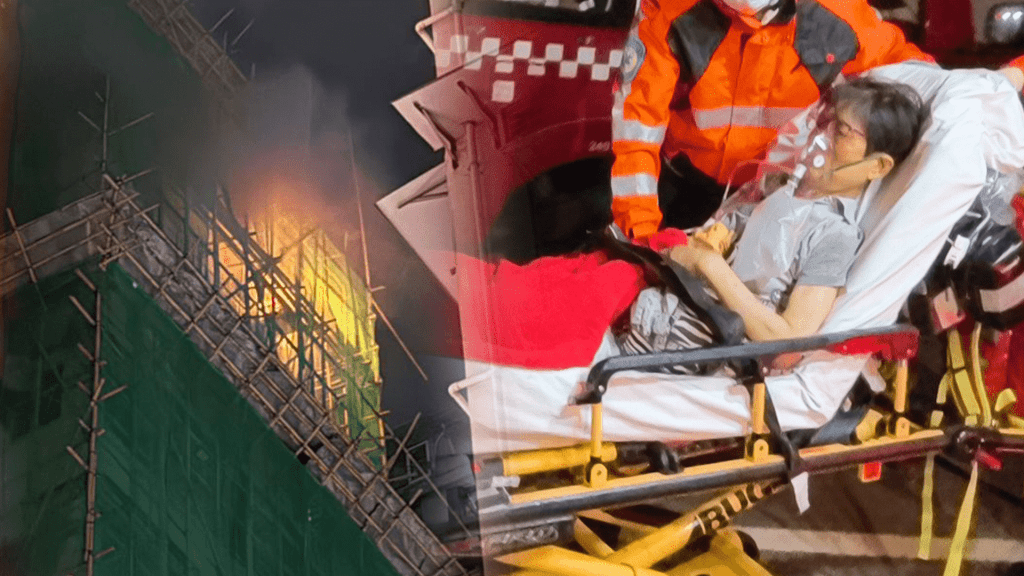
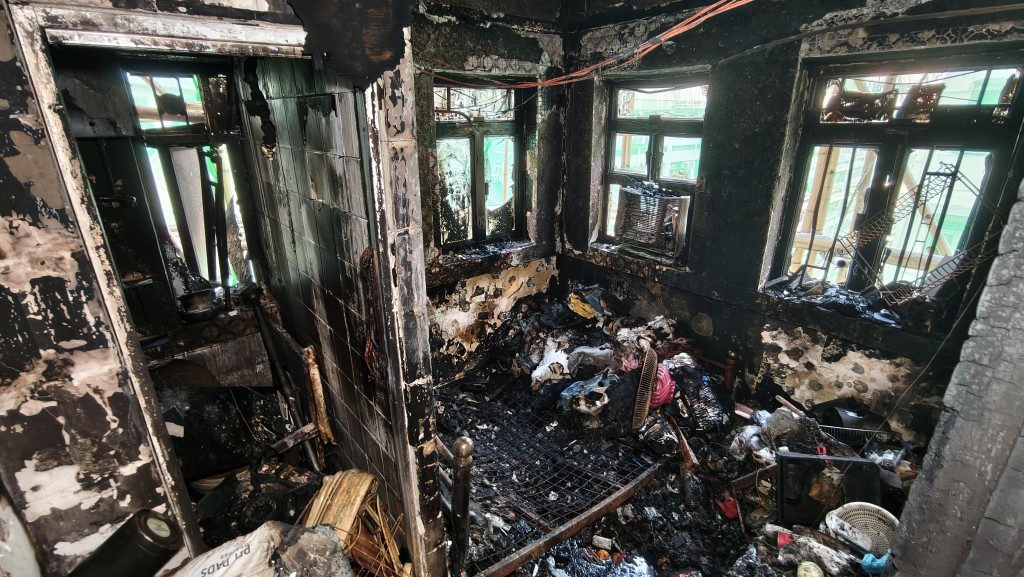
One dead, four injured in Jordan flat fire, 200 residents evacuated
22-05-2026 00:48 HKT


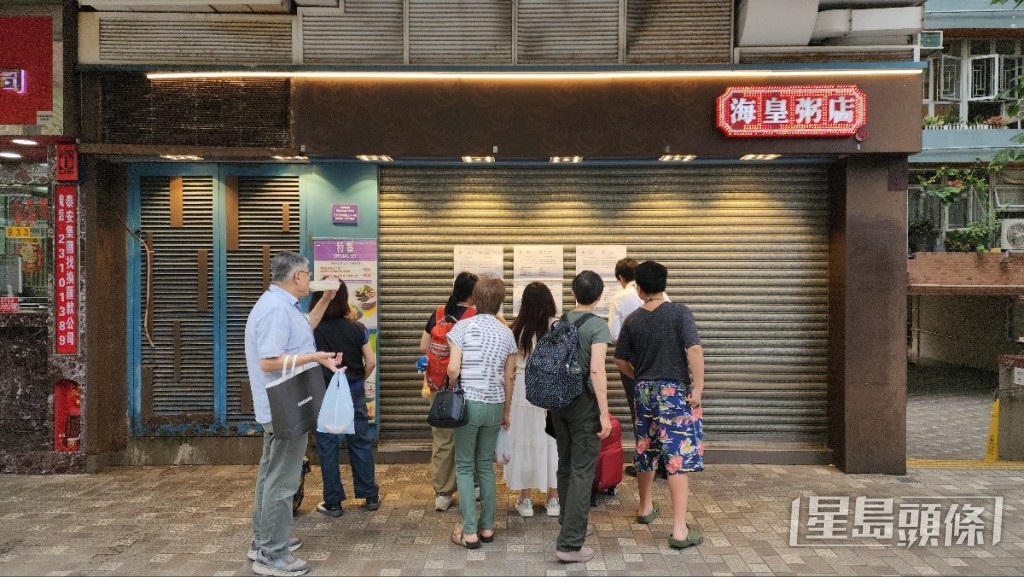
In a recent interview with Sing Tao Headline, The Standard’s sister publication, Chief Executive John Lee Ka-chiu addressed the city’s ongoing wave of shop closures while maintaining an optimistic outlook on the broader economy.
Despite challenges in the retail and dining sectors, Lee emphasized that Hong Kong’s economy is still expanding, with a projected growth rate of 2 percent to 3 percent this year.
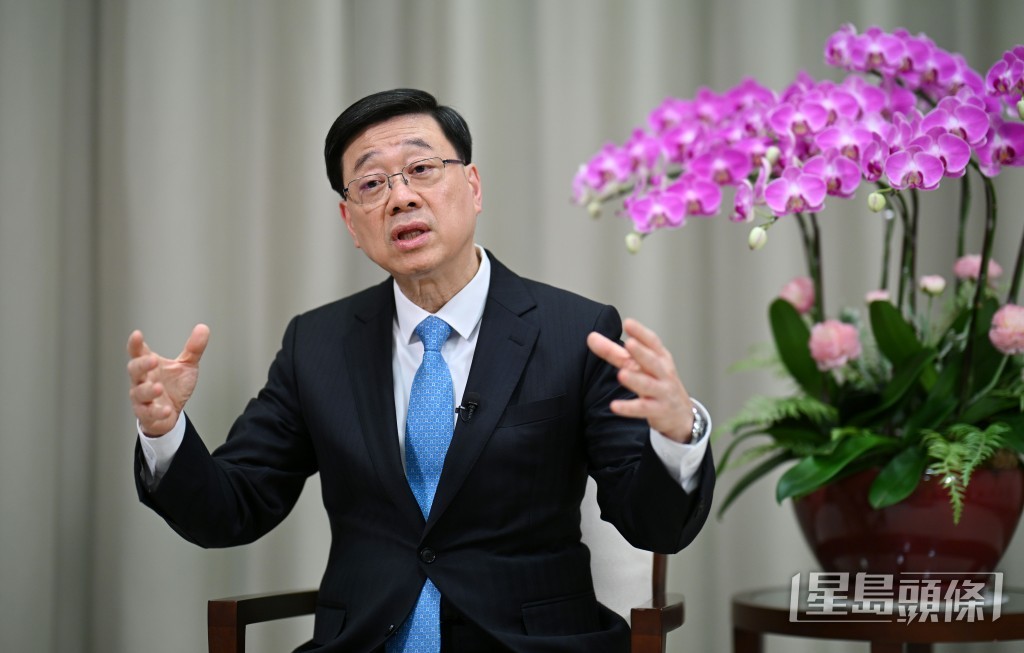
Lee likened Hong Kong’s economic landscape to a growing forest, where "while some trees may struggle, the overall forest is thriving with taller trees and denser foliage."
He acknowledged public concerns over business closures but urged citizens to look at the bigger picture, stating that the city remains full of opportunities.
"Locally and internationally, new companies are still registering in Hong Kong at record numbers," Lee said, citing market research by overseas brands from Germany, Japan, South Korea, Singapore, and mainland China as evidence of confidence in the city’s business environment.
He pointed to examples of local businesses adapting successfully, such as a dried seafood store boosting sales by expanding online and a bakery shifting to healthier, low-oil products.
With Hong Kong pushing its "mega-event economy" and relaxed travel policies like the multi-entry permit for mainland tourists, visitor numbers have rebounded. However, many tourists now adopt a "special forces" style of travel—short, budget-conscious trips rather than high-spending stays.
Lee stressed the importance of catering to all types of travelers, from luxury tourists to backpackers.
"Tourism is interconnected," he said. "Even hikers can become Hong Kong’s ambassadors—if they have a good experience, they’ll recommend our city to friends and family."
Reflecting on his own experiences, Lee revealed that he has been both a luxury traveler and a backpacker, arguing that different travel styles do not necessarily reflect spending power.
"The worst thing we can do is provide poor service," he warned, noting that negative experiences could undermine Hong Kong’s reputation.
Despite Lee’s confidence, many businesses and residents remain cautious. The city has seen a surge in closures, particularly in the dining and retail sectors, with long-standing brands shutting down.
Lee acknowledged these micro-level struggles but reiterated that Hong Kong must adapt.
He suggested expanding tourist attractions across all 18 districts to disperse crowds and enhance the city’s appeal.
"Many of our hidden gems are like pearls covered in straw—waiting to be discovered," he said.
As Hong Kong navigates post-pandemic recovery and changing economic dynamics, Lee’s message is clear: while challenges exist, the city’s fundamentals remain strong, and strategic adaptations can secure its future growth.
(Marco Lam)