Some 14 historic buildings under the government's Revitalization scheme have begun operations, offering diverse and distinctive tourism resources as part of Hong Kong's "tourism is everywhere” initiative, Secretary for Development Bernadette Linn Hon-ho said.
In a Sunday blog post, Linn highlighted that her bureau launched the scheme in 2008 to preserve, revitalize, and repurpose government-owned historic buildings through partnerships with non-profit organizations.
So far, 24 historic buildings have been included in the program, with 14 already open to the public.
Among the revitalized sites is the Former Lau Fau Shan Police Station – Hong Kong Guide Dogs Academy, which recently opened to visitors.
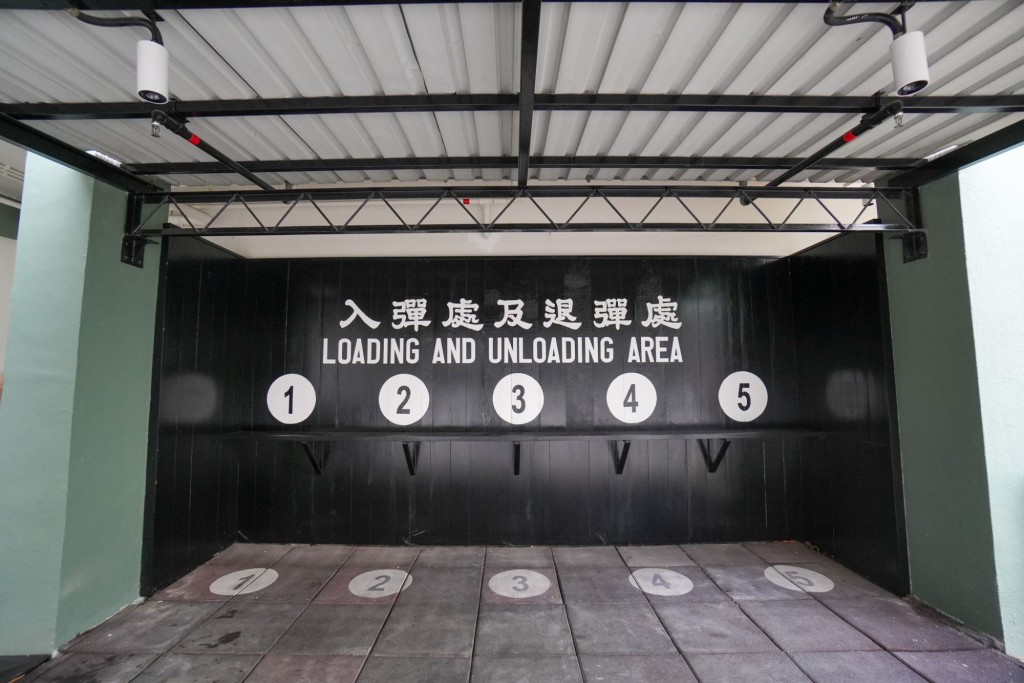
(gov) The revitalized Lau Fau Shan Police Station has preserved original features including its loading and unloading area.
Built in 1963 and graded as a Grade 3 historical building, the former police station has been transformed into a training center for guide dogs and therapy dogs.
Visitors can explore the historic site, join guided tours to learn how these dogs assist individuals, and enjoy stunning sunset views over Deep Bay.
Another notable project is Green Hub, the revitalized Old Tai Po Police Station.
Constructed in 1899, it is one of Hong Kong’s oldest surviving police station buildings and a declared monument.
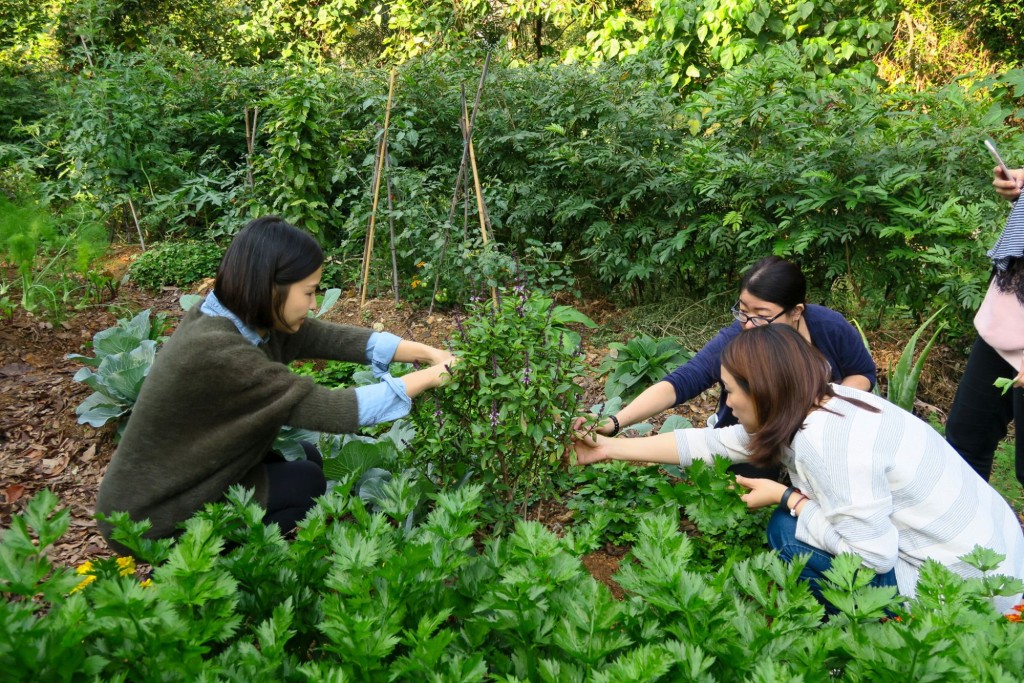
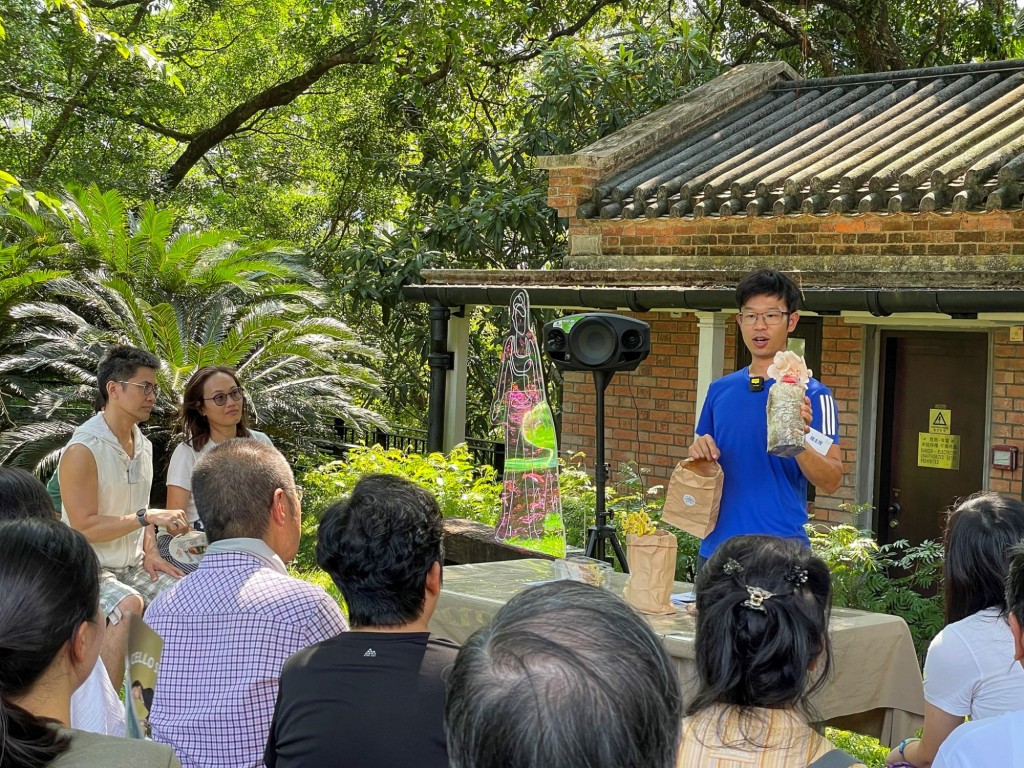
(gov) Visitors to Green Hub can also participate in various eco-themed workshops, such as crafting food products using natural materials.
Now a hub for sustainable living, Green Hub features a restaurant serving low-carbon dishes made with local ingredients and offers workshops on eco-friendly practices, such as crafting food from natural materials.
Guests can also tour the original police station facilities, including the report room, armory, and detention cells.
For a deeper experience, overnight stays are available in renovated police dormitories, immersing visitors in the building’s rich history.
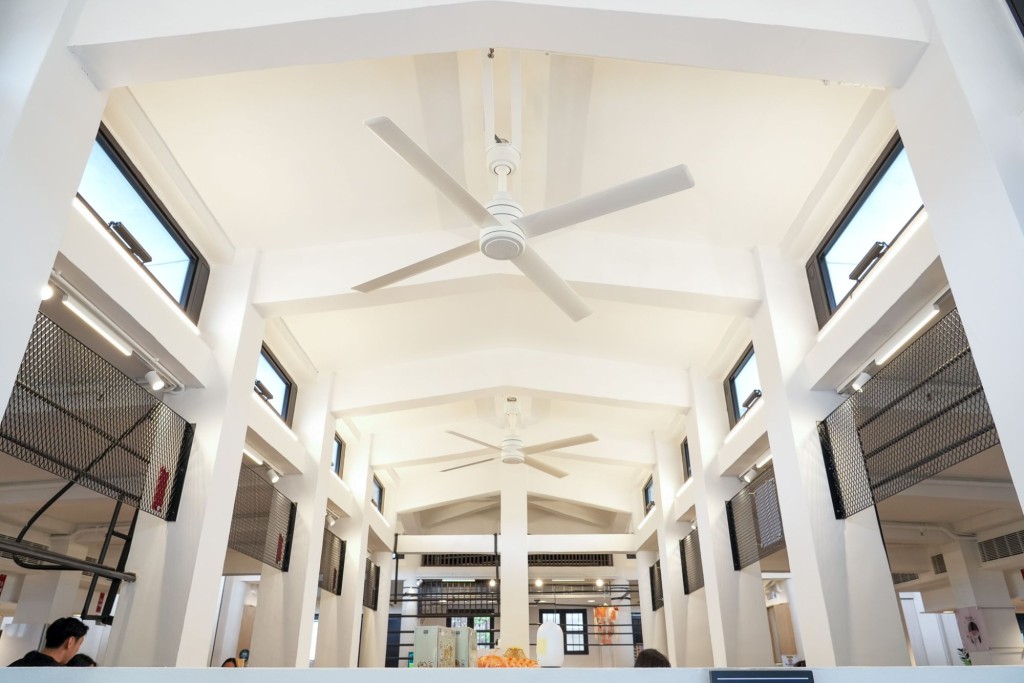
The Luen Wo Market – House of Urban and Rural Living in Fanling, originally built in 1951 as the largest market in the New Territories, is another revitalized Grade 3 historic building.
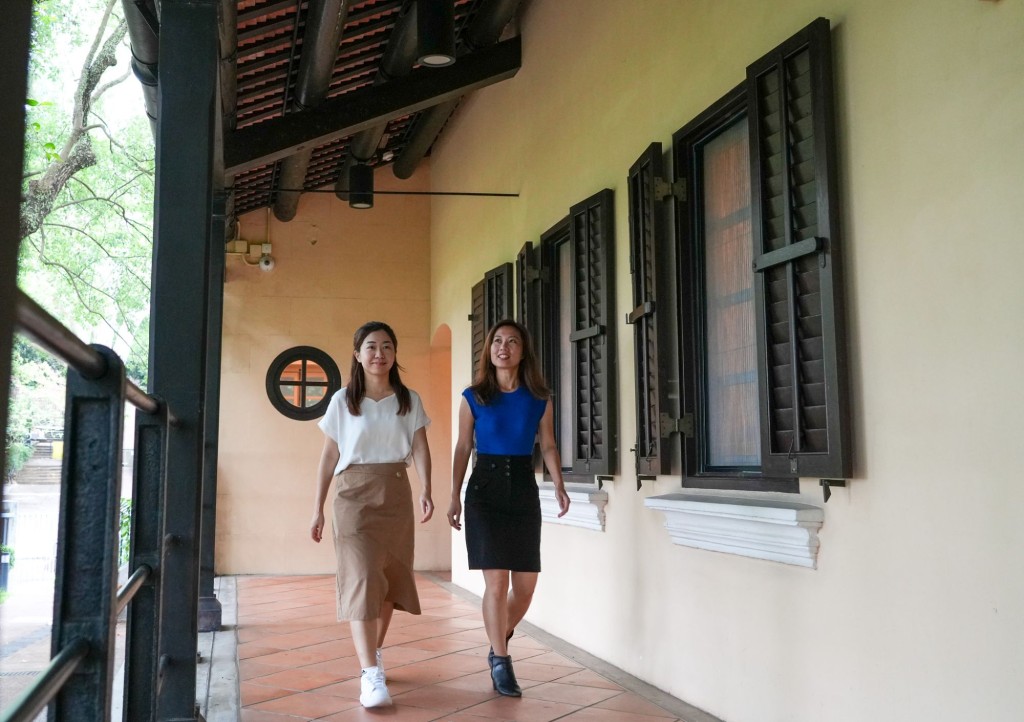
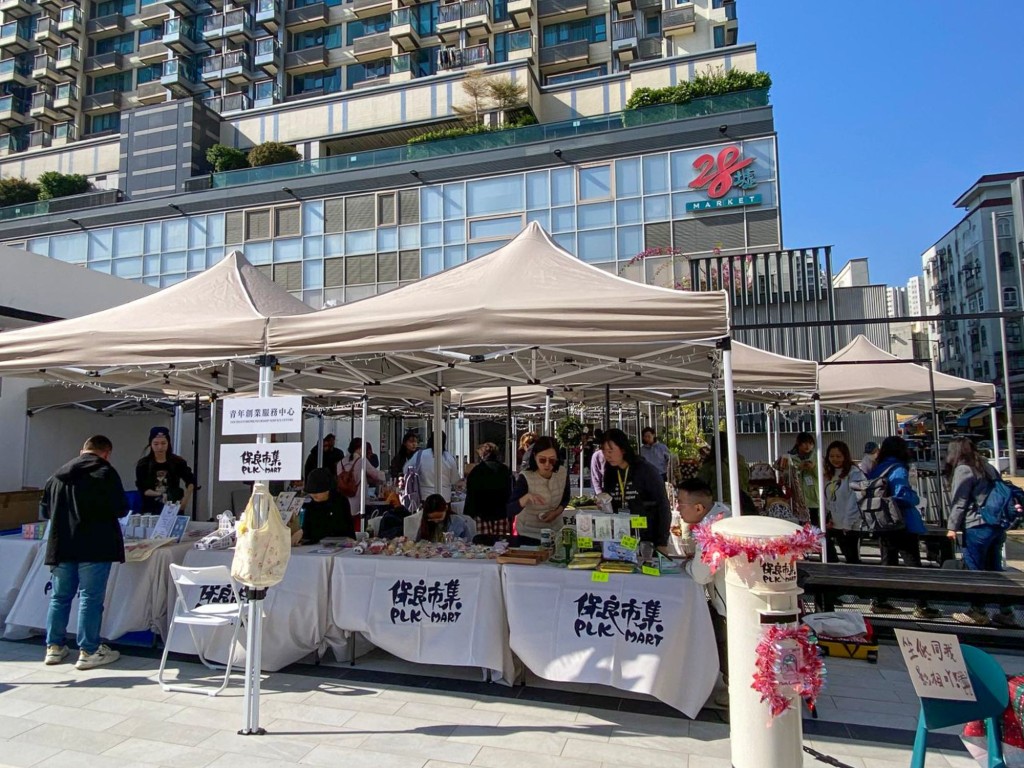
(gov) Visitors to the market can explore the historic architecture and participate in workshops and guided tours.
The project preserves key architectural features, such as its distinctive “E”-shaped layout, flagpole, and stucco lettering above the entrance.
Today, the site hosts workshops, guided tours—including popular cycling tours—and a new restaurant serving local cuisine.
A community shop and heritage interpretation zone share the market’s history, while occasional outdoor bazaars revive its traditional “market day” atmosphere, allowing visitors to experience the lively hustle and bustle of the past.
(Ayra Wang)