Read More
Hong Kong's well-documented passion for visiting Japan finds a compelling counterpart in the growing trend of Japanese citizens undertaking extended stays in the vibrant city.
ADVERTISEMENT
SCROLL TO CONTINUE WITH CONTENT
Japanese content creator Hina Haruse recently completed a three-month "trial living" experience in Hong Kong, documenting numerous unexpected cultural differences that left a lasting impression. Having immersed herself in local life,
Haruse shared observations spanning dining customs, public behavior, and daily routines through a widely viewed video chronicling her most striking cultural encounters.
Among her notable experiences was encountering the common absence of toilet paper in Hong Kong's public restrooms. The vlogger initially questioned whether residents used alternatives before realizing most carry personal tissue packs. She further contrasted this with Japanese hospitality standards, noting the lack of complimentary hand towels or wet wipes in Hong Kong eateries, cementing the necessity of personal tissue supplies.
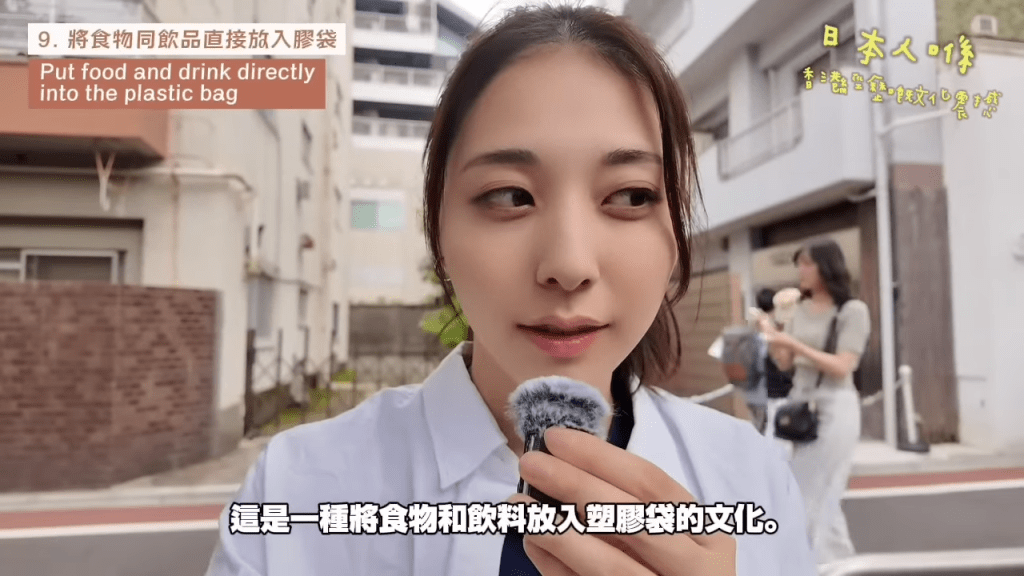
Packaging practices also presented a cultural divergence. Haruse observed that unlike Japanese bakeries, where each item receives individual wrapping before collective bagging, Hong Kong establishments typically place multiple baked goods together directly in a single plastic bag without separation.
This minimalist approach to packaging, she suggested, might surprise Japanese visitors accustomed to more meticulous hygiene standards that sometimes involve greater plastic consumption.
Perhaps most unexpectedly, Haruse expressed admiration for Hongkongers' extensive knowledge of her home country. She marveled at their familiarity with lesser-known Japanese locales, including her own rural hometown of Tokushima—famous for its Naruto Whirlpools yet overlooked by many Japanese urban dwellers.
The content creator found it remarkable that numerous Hong Kong visitors had explored this region while it remained undiscovered by countless domestic tourists, appreciating their recognition of Japan's diverse regional attractions beyond major cities.
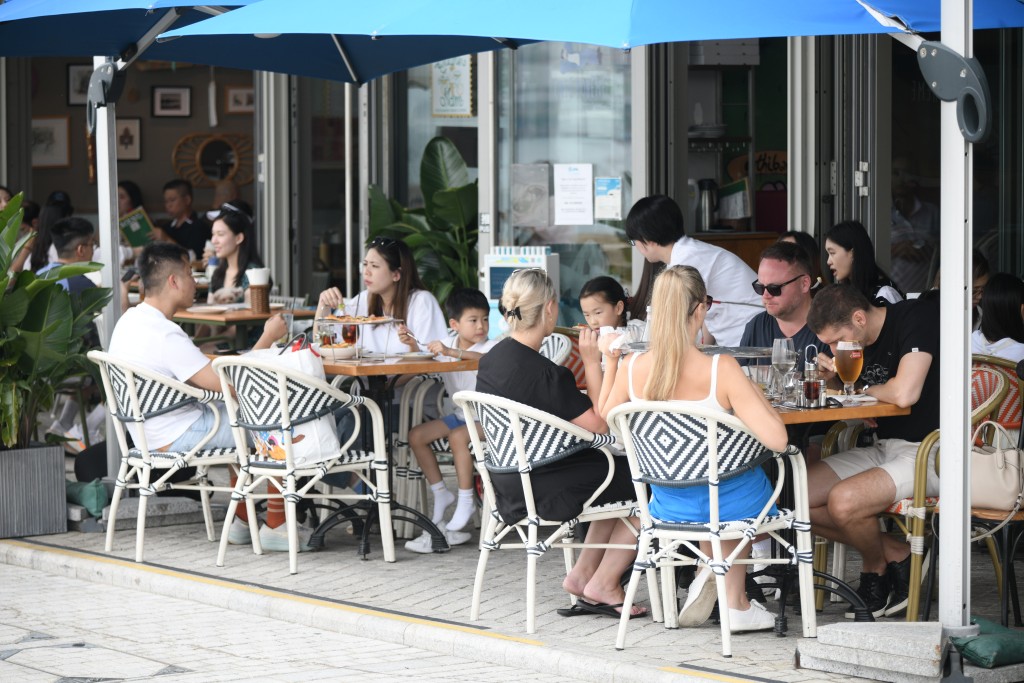
Local commentators contextualized these cultural differences through Hong Kong's economic realities. Many observers suggested the city's fast-paced efficiency and commercial priorities shape such practices. Restaurants reportedly encourage rapid customer turnover to maximize seating capacity, while fried foods dominate menus partly due to quick preparation times.
Similarly, the brisk pace of public transport aims to optimize passenger loads. High living costs were cited as driving the prevalence of dual-income households and, consequently, the widespread employment of live-in foreign domestic helpers—a practice further reinforced by legal requirements for employers to provide residential accommodation.