





Read More


Night Recap - May 22, 2026
6 hours ago







ImmD crackdown targets moonlighting domestic helpers arresting 17
19-05-2026 17:52 HKT

One dead, four injured in Jordan flat fire, 200 residents evacuated
22-05-2026 00:48 HKT
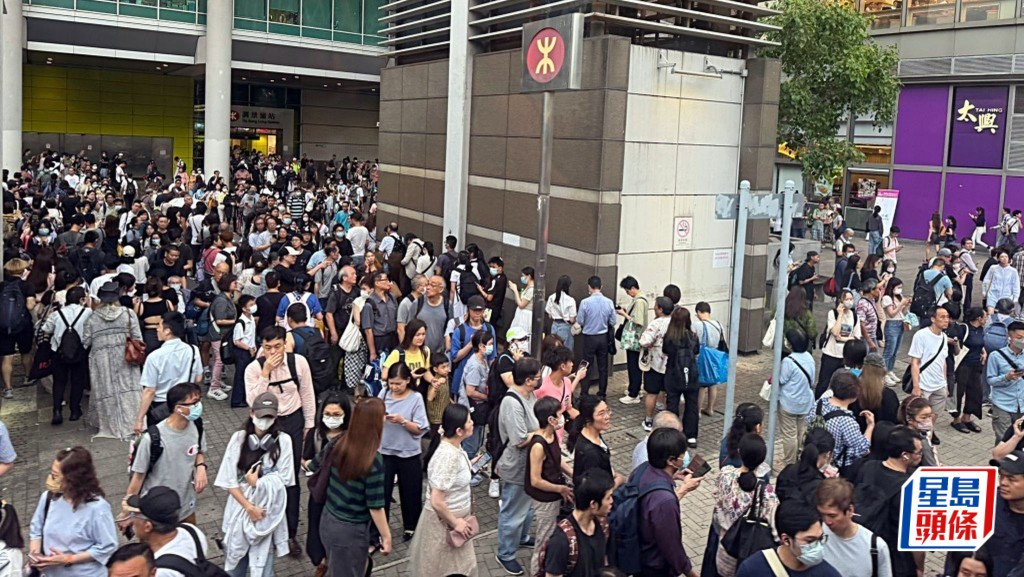
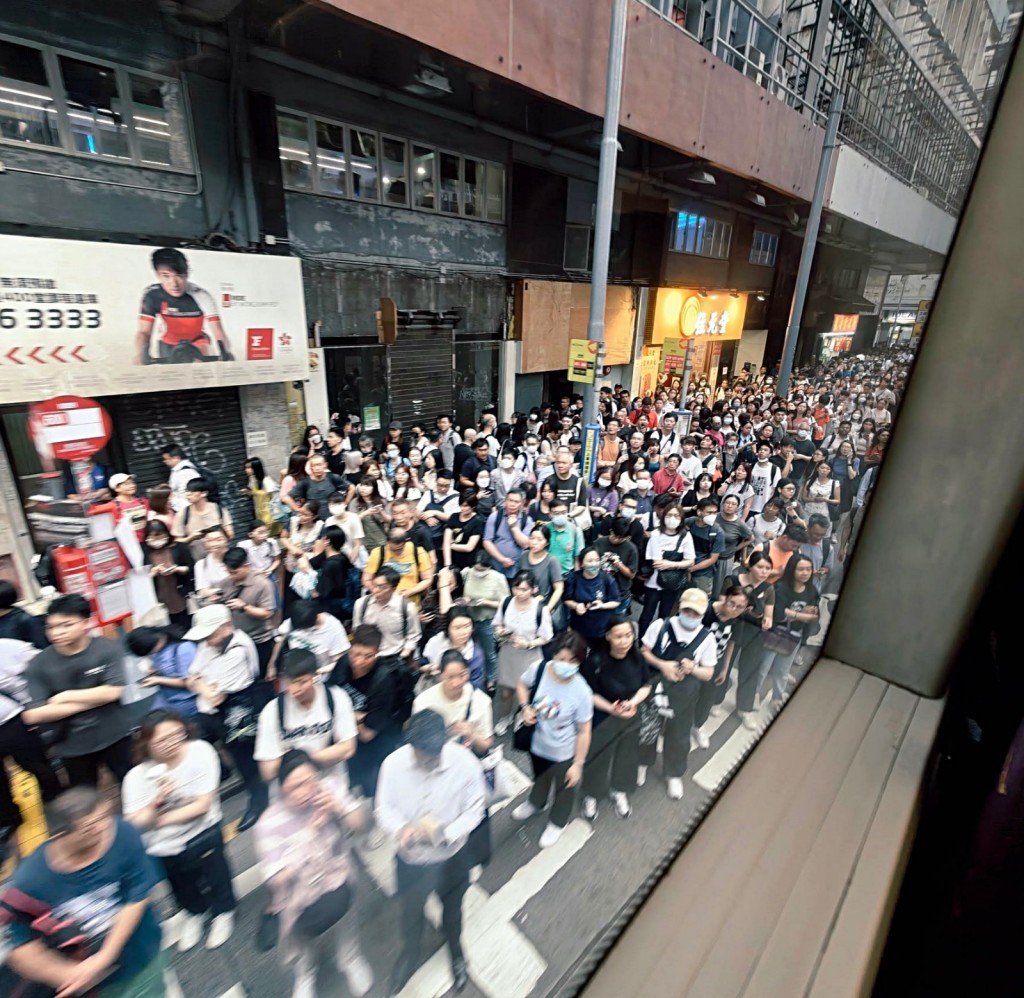
A major disruption on Hong Kong’s MTR Tseung Kwan O Line left thousands of commuters stranded during rush hour on Thursday night after a short-circuit caused a full suspension of services for nearly five hours. The MTR Corporation attributed the failure to an overhead cable fault, which also affected signaling equipment, forcing trains to halt.
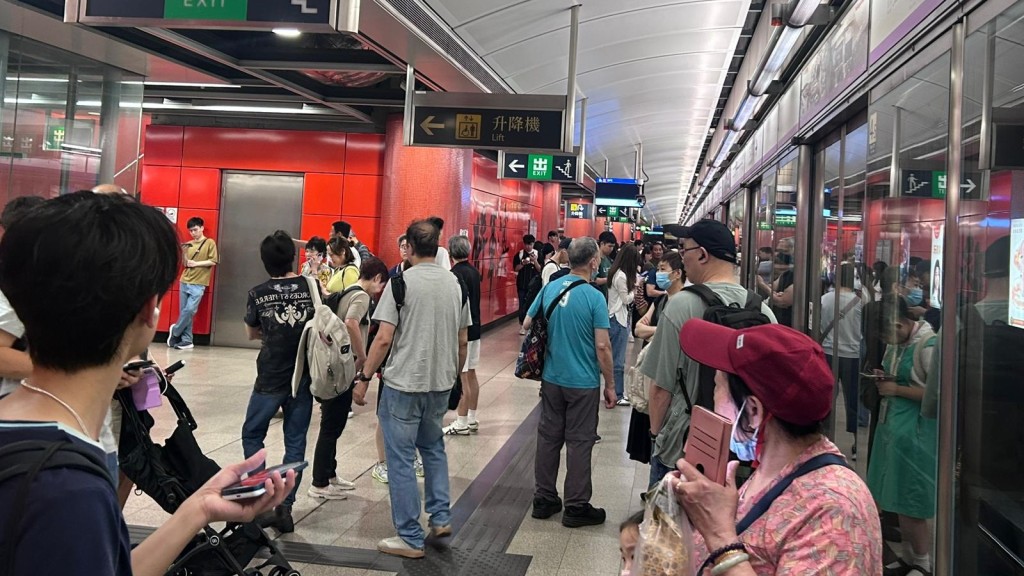
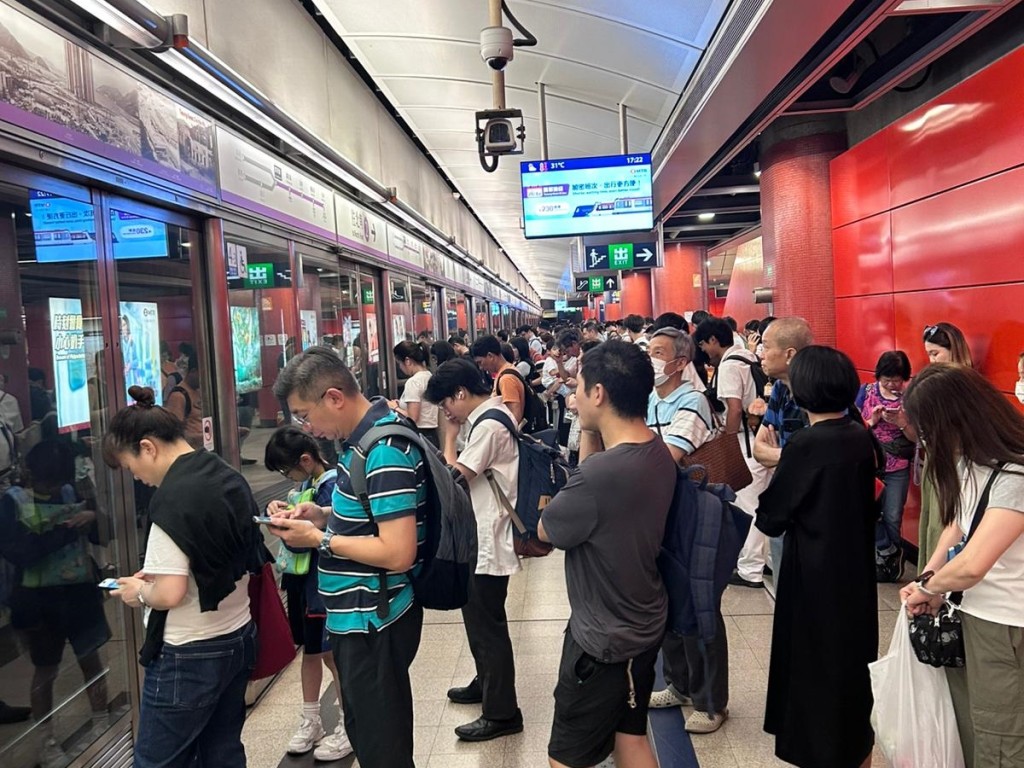
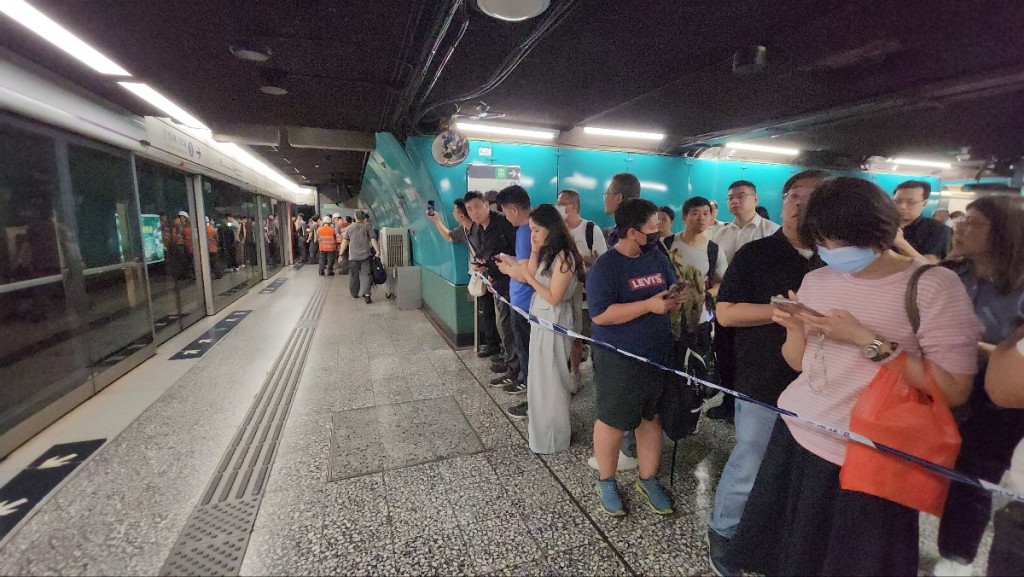
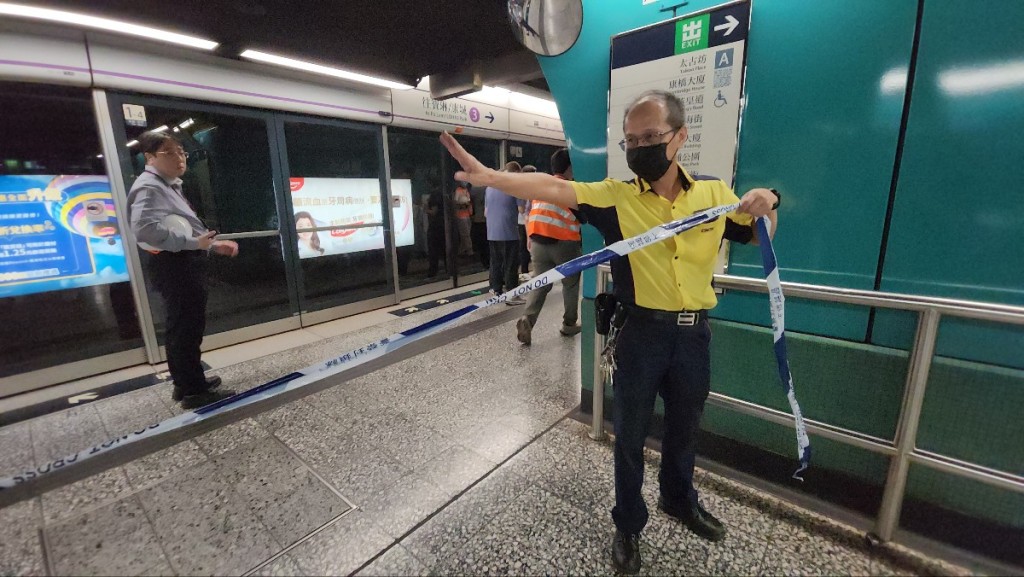
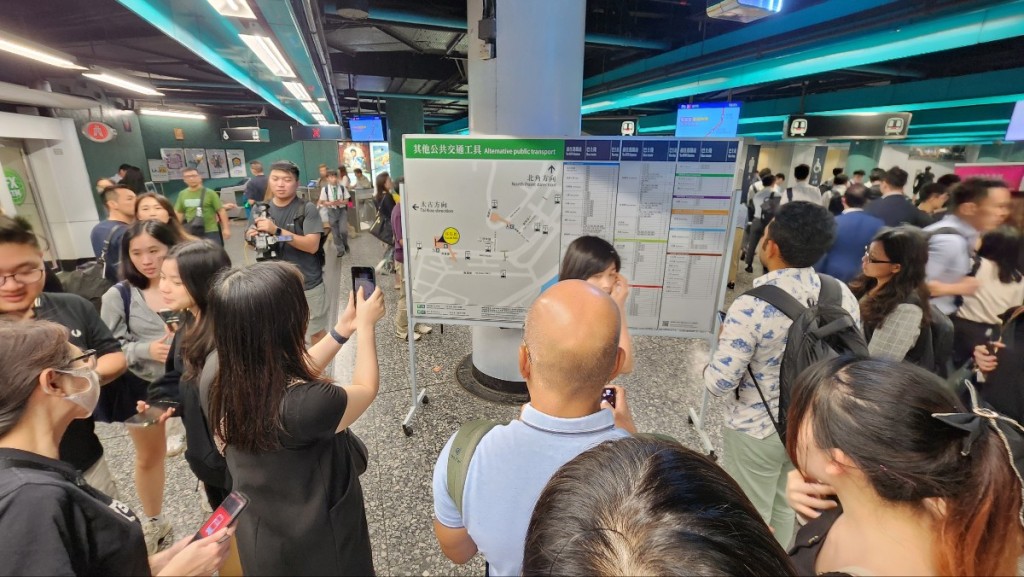
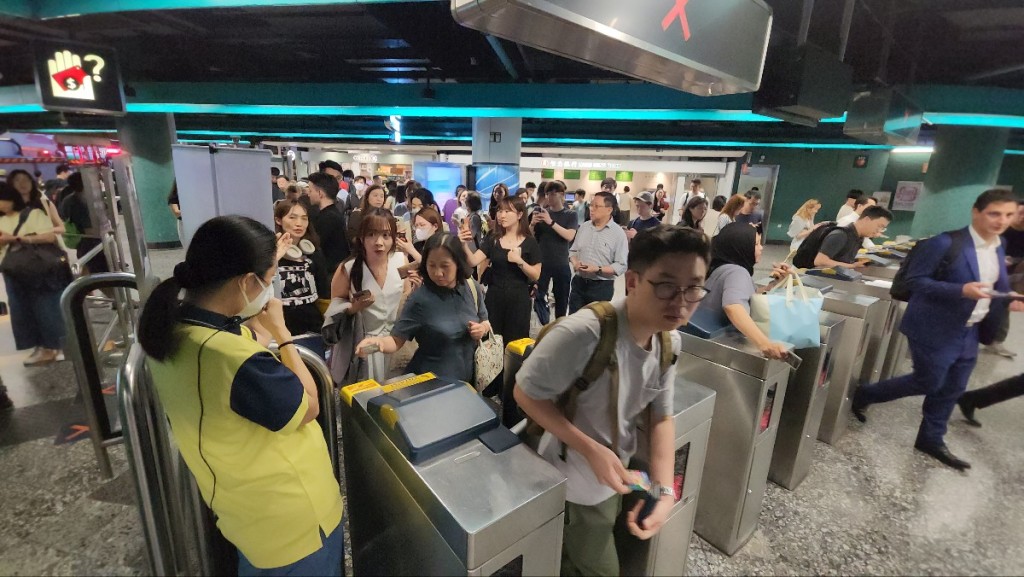
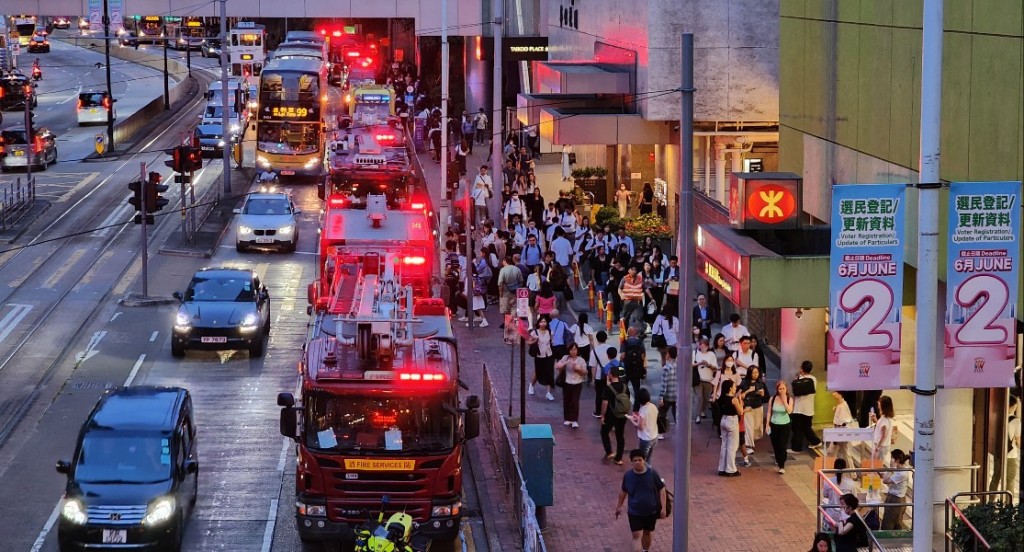

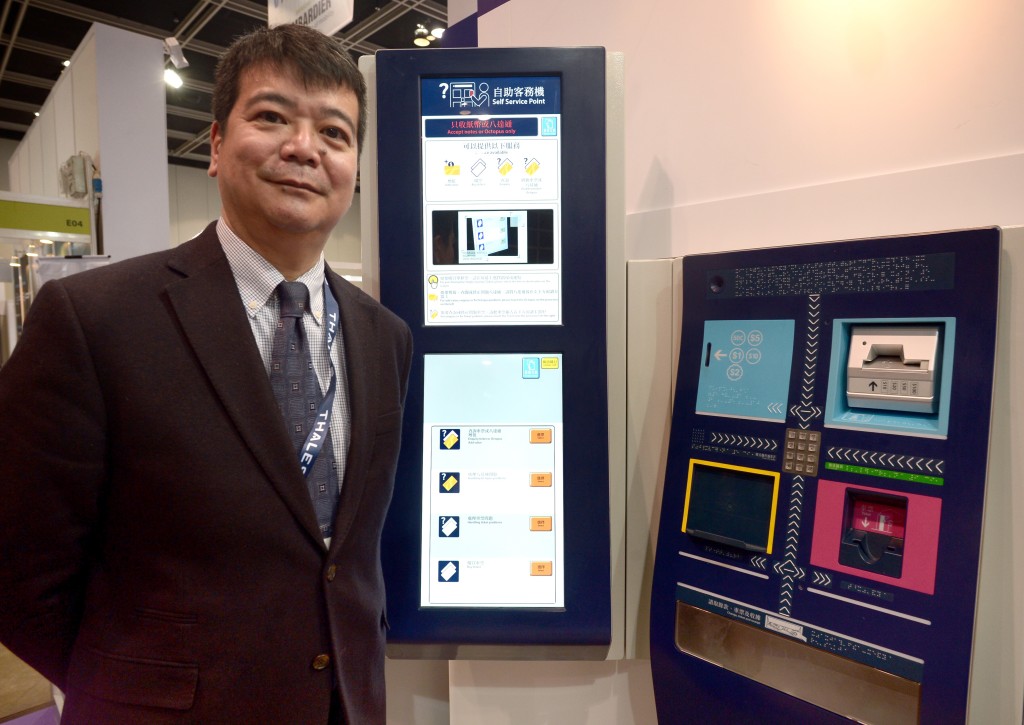
Henry Cheung Nin-sang, chairman of the Association of Hong Kong Railway Transport Professionals, explained on a radio program this morning that the overhead cable's circuit breaker likely tripped, causing electronic equipment inside the tunnel to malfunction.
This led to a failure in the signaling system, which then automatically shut down as a safety precaution, he said.
Cheung noted that overhead cable short circuits can stem from multiple causes, including power substation failures or faulty train components.
While the MTR has dual power supply systems—making simultaneous failures unlikely—he suggested that aging infrastructure could be a factor.
According to Cheung, the affected section was designed over 30 years ago, relying on older technology where manual replacement of broken fuses is required, unlike newer systems that can reset automatically. Cheung emphasized that the MTR’s long-discussed signaling system upgrade, delayed for nearly a decade, should now be prioritized to minimize future risks.
He also highlighted that visual inspections alone cannot detect loose components in overhead cables, recommending advanced monitoring tools such as ultrasonic or infrared sensors for comprehensive checks.
Meanwhile, lawmaker Gary Zhang Xinyu, an engineer who previously served as a station services manager at the MTR Corp, inspected Quarry Bay Station during the incident.

Speaking on the same program, he criticized the MTR for not adequately informing passengers about the prolonged delay. He urged the company to provide clearer communication so commuters could adjust their travel plans accordingly.
Cheung noted that while overhead cables, signaling systems, and tracks undergo rigorous maintenance, unexpected failures can still occur. He revealed that MTR engineers took considerable time diagnosing yesterday’s fault and called for accelerated installation of real-time sensors across the network to detect issues faster.
Although the MTR has begun deploying such sensors in some sections, full implementation remains pending, he said.
Additionally, Cheung questioned whether the incident exposed design flaws, as the power and signaling systems—typically independent—experienced a cascading failure.
He stressed the need for staff training to swiftly identify and resolve such issues.
Given the disruption’s timing and duration, Cheung estimated the MTR could face a penalty of up to HK$18 million, though the final amount depends on operational data submitted to the government.
(Marco Lam)