Hong Kong’s new themed tourist hotspots should be tailored to specific visitor groups to maximize their appeal and ensure efficient resource allocation, a marketing scholar advised.
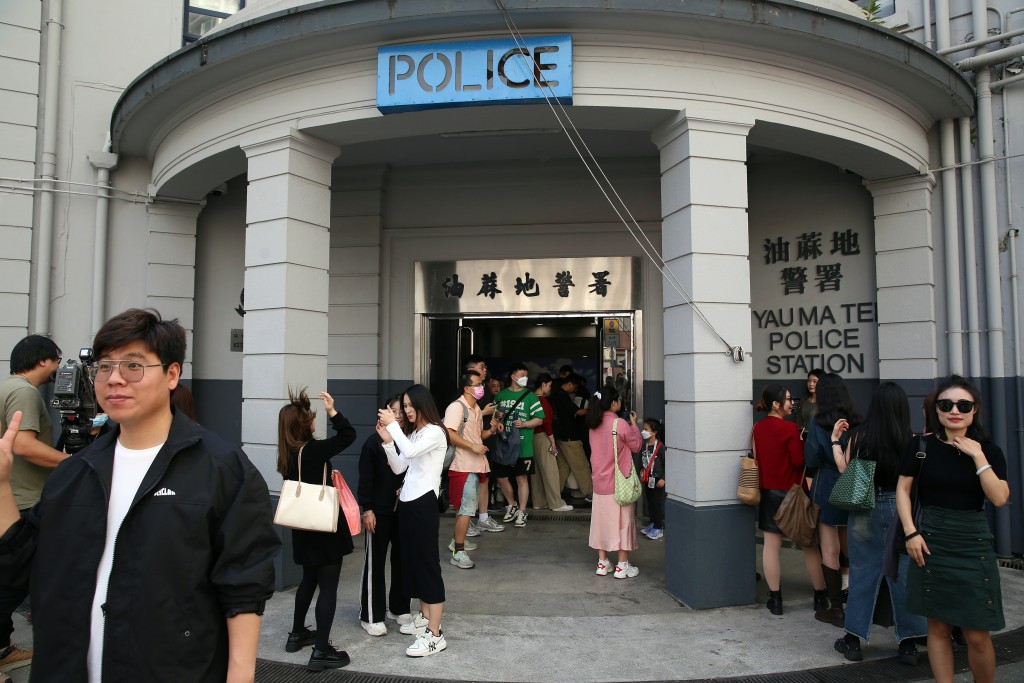
The government plans to introduce nine tourist hotspot projects themed around local industrial brands, the Kowloon Walled City, and hiking trails of four peaks to draw more visitors seeking an in-depth tourism experience beyond shopping.
In an interview with The Standard, Kenneth Kwong Ka-kei, associate professor at the Department of Marketing of the Hang Seng University of Hong Kong, recognized that the spots in these themed projects are well grouped.
He suggested developing a cohesive route that ties these attractions together and incorporates commercial elements to drive revenue, such as collaborating with local retailers near each attraction to offer exclusive products, discounts, or experiences.
Kwong pointed out that the nine hotspot projects appear to be supply-driven, as the government has stressed the importance of coming up with new tourism landmarks on top of existing ones.
However, the scholar emphasized the need to identify and target “precise” audience segments for each hotspot.
Marketing scholar Kenneth Kwong (File Photo)
He noticed some visitors from Japan and Korea came to Kowloon City because of the hit Hong Kong action film Twilight of the Warriors: Walled In, while a Transformer movie has made one of its shooting scenes, the Monster Building in Quarry Bay, popular among foreign visitors, including photography enthusiasts.
Kwong stressed the need to understand the motivating factors behind visitors.
“This is what I always emphasize. We need to do market survey and analyze [the findings], because visitors of different age groups travel on different purposes…We have to make some efforts,”
“Be more precise, and prevent wasting your energy or taking the wrong pulse,” Kwong said, referring to the diagnostic method of traditional Chinese medicine, advising the government to avoid misjudging the market and wasting resources.
(Jamie Liu)