Read More








Night Recap - May 27, 2026
9 hours ago

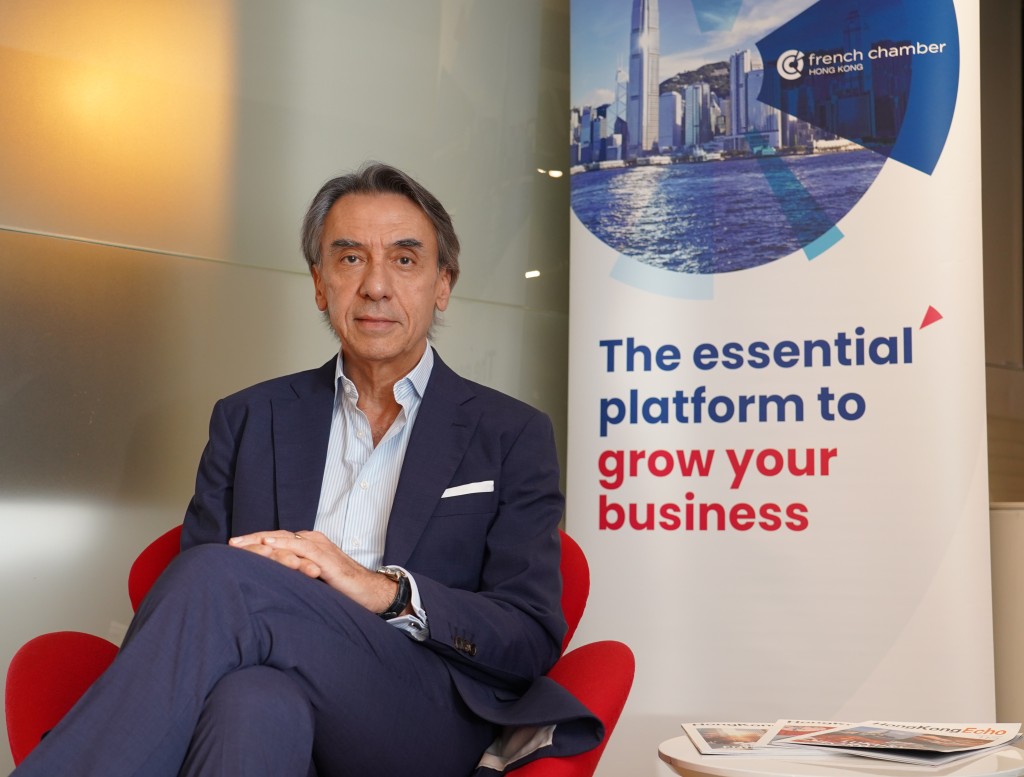
Hong Kong a conduit for mainland, French firms
26-05-2026 06:00 HKT


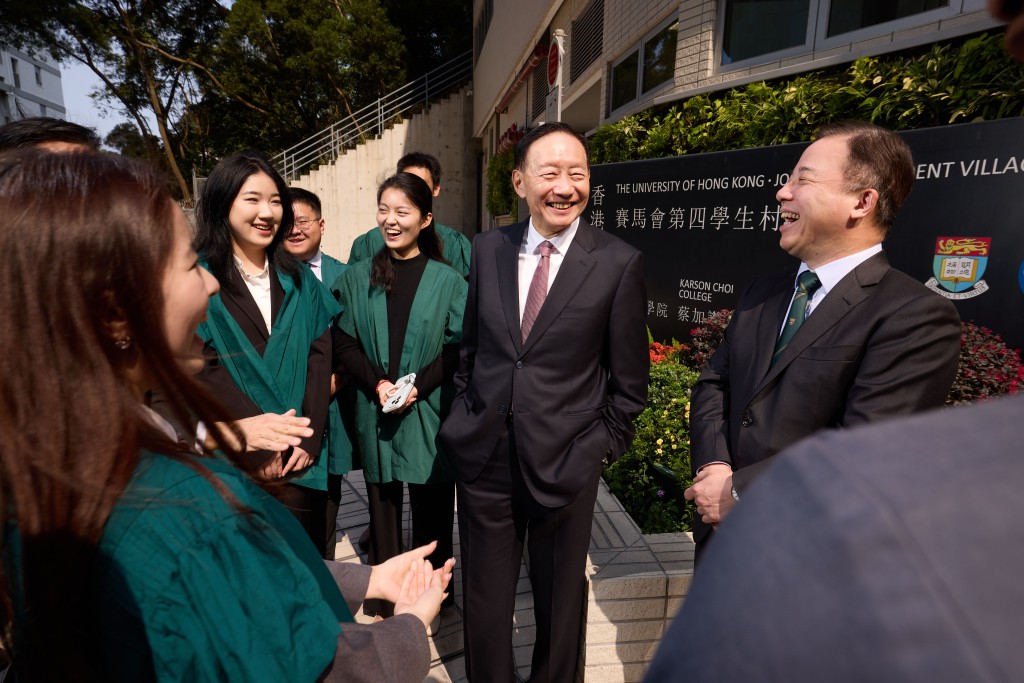
University of Hong Kong (HKU) President Zhang Xiang outlined his vision to elevate HKU into the ranks of world-leading institutions like Harvard and Cambridge, while embracing AI as a transformative opportunity despite funding constraints.
Amid global AI advancements, Zhang told Sing Tao Daily in an exclusive interview that investing in AI education remains critical for Hong Kong’s academic competitiveness.
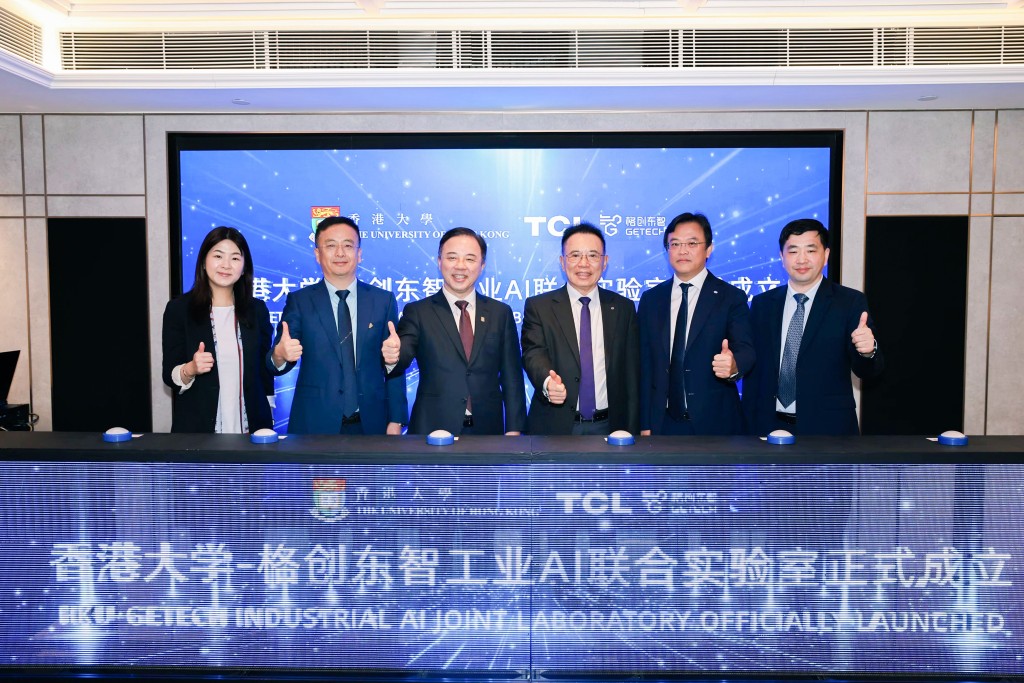
“This is an opportunity. For higher education, if you want to stay ahead, you must define your own path—this requires creativity, boldness, and the courage to act,” he said.
Even as government funding for universities faces progressive annual cuts of 2 percent over the next three years, Zhang emphasized that strategic priorities cannot be compromised. “How can Hong Kong’s education maintain global leadership? It’s about nurturing talent,” he noted.
Zhang revealed that HKU recruited 120 scholars from 13 countries last year alone, capitalizing on geopolitical shifts.
“Students follow professors. We’ve brought in top-tier academics,” he said, adding that some scholars opted for Hong Kong over the U.S. due to political volatility.
“The Trump administration caused long-term damage to American higher education,” he observed.
However, competition with universities in Japan, Singapore, and mainland China poses challenges, particularly in housing, he said.
“Without accommodation, it’s a hurdle,” Zhang admitted. He expressed openness to participate in a government pilot scheme converting hotels or commercial buildings into student dormitories, especially for postgraduates: “There’s such a possibility…as we currently meet only part of the demand.”
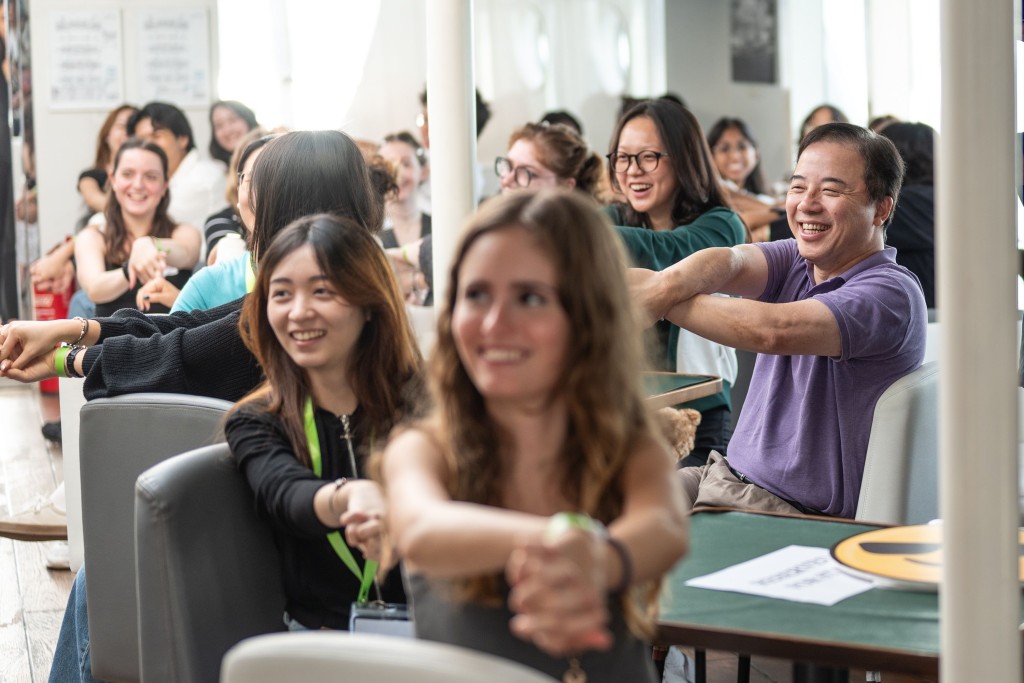
With the non-local undergraduate quota doubling to 40 percent this academic year, HKU expects to hit the cap soon. But Zhang urged caution on further increases, citing local demographic declines and infrastructure limits: “We need to pause and assess.”
Addressing past institutional turmoil, Zhang struck an optimistic note: “That chapter is over. Under the Council’s leadership, everything is back on track. Our faculties are recruiting talent and students—it’s going well.”
Reflecting on his seven-year tenure, Zhang acknowledged setbacks but remained forward-looking: “I’m no extraordinary figure—there were frustrations. But afterward, I always focus ahead, for the sake of building a great university.”