





Read More




Night Recap - June 2, 2026
3 hours ago


Typhoon signals depend on low-pressure system’s track and speed, say HKO
01-06-2026 20:17 HKT
HK to bake in 36-degree heat on Friday before five-day rain spell
01-06-2026 17:31 HKT


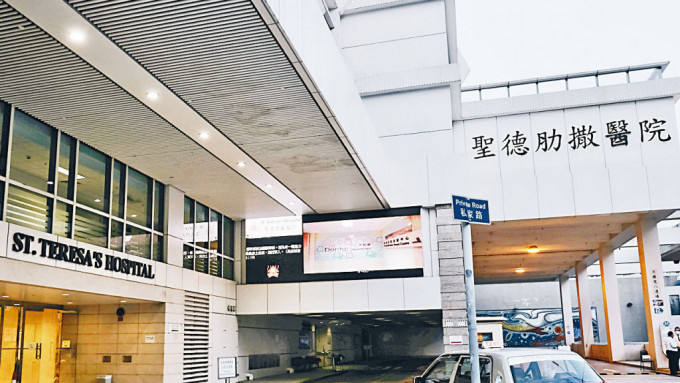
Following a breakdown of an air-conditioning system at St Teresa’s Hospital last year, the Department of Health reported that no violations were found.
The incident reportedly occurred around 7pm on July 31 last year, when the air conditioning malfunctioned for 45 minutes, impacting 12 operations on the second floor of the main building.
Liu Chi-leung, who was performing an operation at that time, recounted that the air conditioning system stopped working after the operation began for 15 minutes, resulting in condensation dripping from surgical lights and a five-minute interruption in the surgical display, necessitating the use of a hairdryer.
After the operation, Liu was informed that other staff members had to use an umbrella to prevent the dripping water from infecting the patient and disrupting the apparatus.
Emphasizing the importance of ventilation and a sterile environment for surgeries, Liu reported the incident to the hospital and noted that he had only been able to perform surgery on two patients afterward.
As the hospital has not publicly addressed the accident, Liu filed a complaint with the Department of Health last September and followed up in February, raising concerns about inconsistencies in reporting standards between private and public hospitals.
Liu highlighted that the dripping condensation from surgical light could potentially contaminate apparatus and infect wounds, putting patients at serious risk.
In response, the hospital stated that the incident was solely due to the failure of the cooling system, asserting they reported it despite it not being a reportable incident, as the ventilation system was functioning normally.
The hospital emphasized that no patients suffered infections in the incident, although two of the 12 patients had their operations delayed.
While refuting claims from some staff members about using umbrellas, the hospital admitted receiving reports regarding stuffy air and condensation on the walls during the incident.
After the incident, the hospital stated that they have raised the frequency of air conditioning system inspections from every six months to monthly.
Meanwhile, the Department of Health said it had completed an investigation and on-site inspection, concluding that the hospital had taken immediate measures to mitigate risks while closely monitoring patient conditions, finding no violations of the Private Healthcare Facilities Ordinance or the Code of Practice for Private Hospitals.
Liu doubted the investigation’s conclusion, believing the hospital should take responsibility for patient safety and transparency regarding the incident. He urged the Department of Health to reopen the investigation.
Despite the ventilation system functioning normally during the incident, a building services engineer surnamed Ho pointed out that the chilling system could affect the room temperature and humidity.
Ho noted the room temperature might exceed 20 to 24 degrees with humidity exceeding 20 to 60 percent if the staff claimed there was condensation dripping from the surgical lights.