





Read More





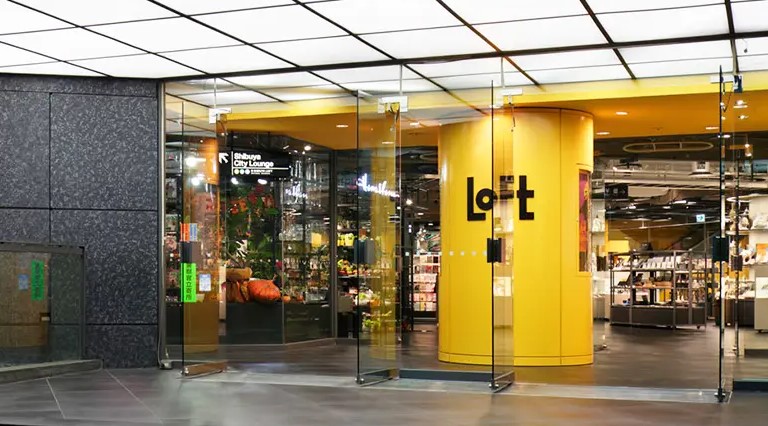
Japan’s LOFT to open first Hong Kong store at MOKO in August
27-07-2026 14:33 HKT
Alex Chui makes IMO history with perfect score and record seventh medal
27-07-2026 19:51 HKT


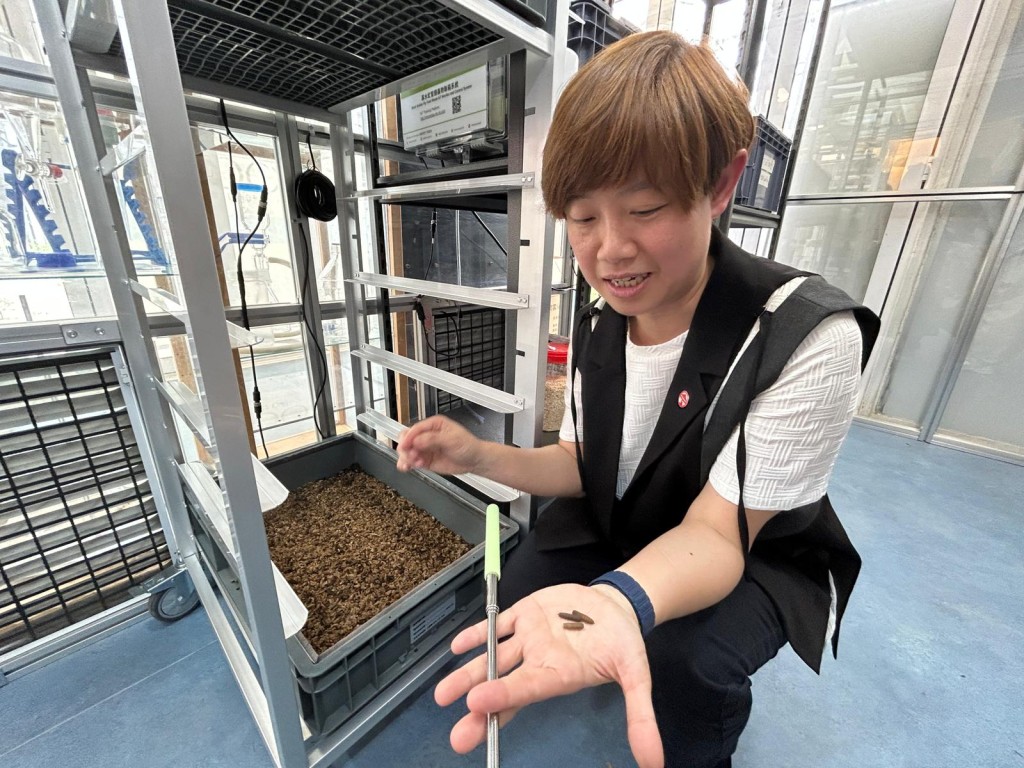
Lingnan University is empowering Hong Kong's youth to drive the circular economy through a hands-on program that converts food waste into organic feed.
The Bi-Loop Nature-Based Food Waste Regeneration Pilot Programme, launched by A Plastic Ocean Foundation (funded by The Zeshan Foundation) in collaboration with Lingnan University and Gaw Capital People’s Place in April, aims to turn pre-meal food waste from four shopping malls in the North and Tuen Mun Districts into “treasure” using black soldier fly larvae.
Food waste collection boxes have been installed at Wah Ming, Wah Sum, and Yung Shing Shopping Centers in Fanling, as well as at Tuen Mun’s H.A.N.D.S, allowing restaurant owners to dispose of waste for transport to designated processing areas.
Lingnan University handles waste collected from Tuen Mun, while a Sheung Shui facility manages waste from the North District.
Paulina Wong Pui-yun, head and associate professor of the science unit at Lingnan, said the university has four food waste processing facilities across campus, including near student dormitories and classroom entrances, which allows students to conveniently feed leftovers to black soldier fly larvae after meals at the same time.
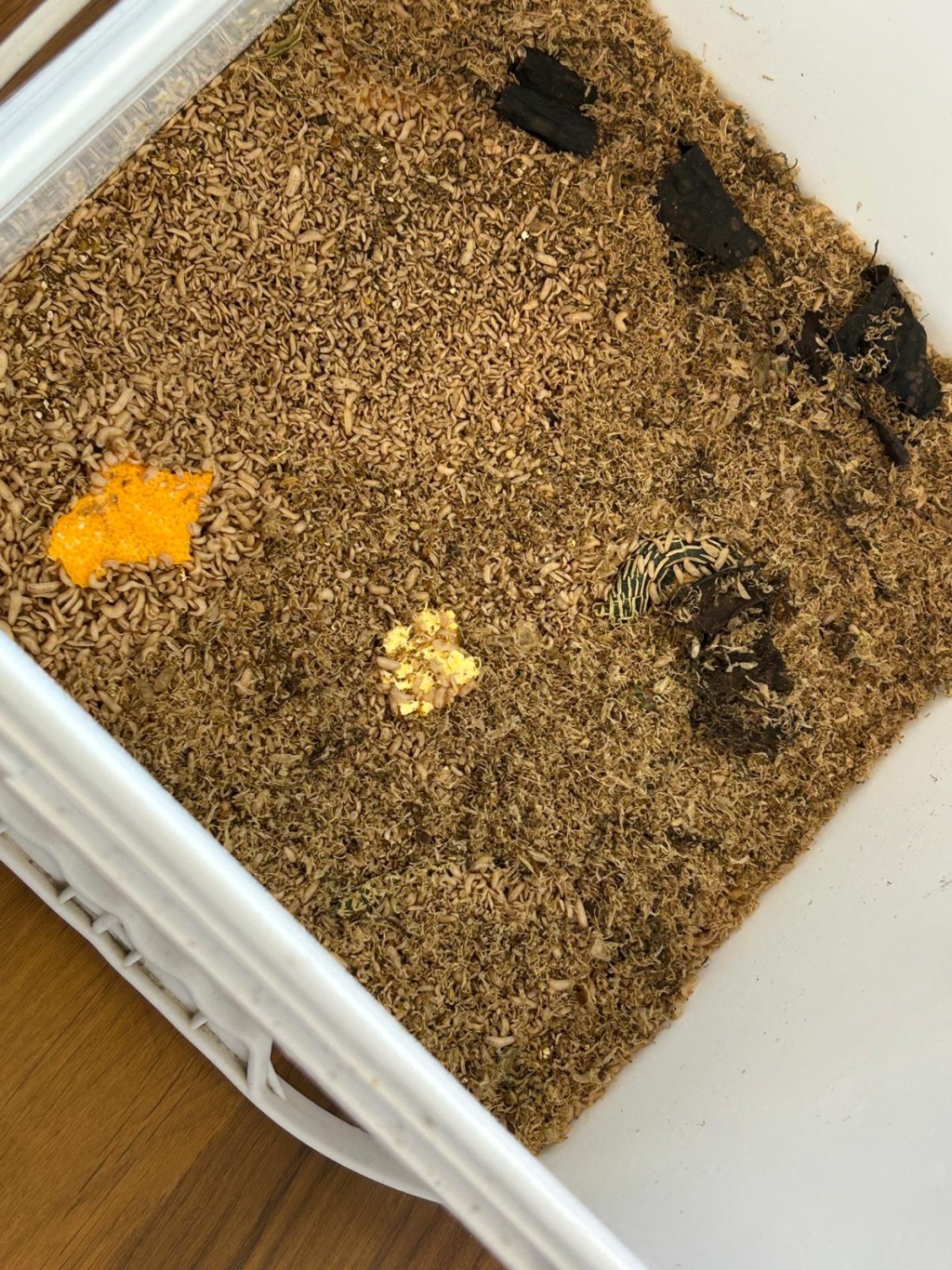
She noted that these facilities utilize the Internet of Things to optimize efficiency by monitoring data, such as adjusting temperature when cold weather slows larval feeding rates.
Also, an aquaponics system will use the larvae to sustain fish and plants, with the resulting produce donated to charities for needy families.
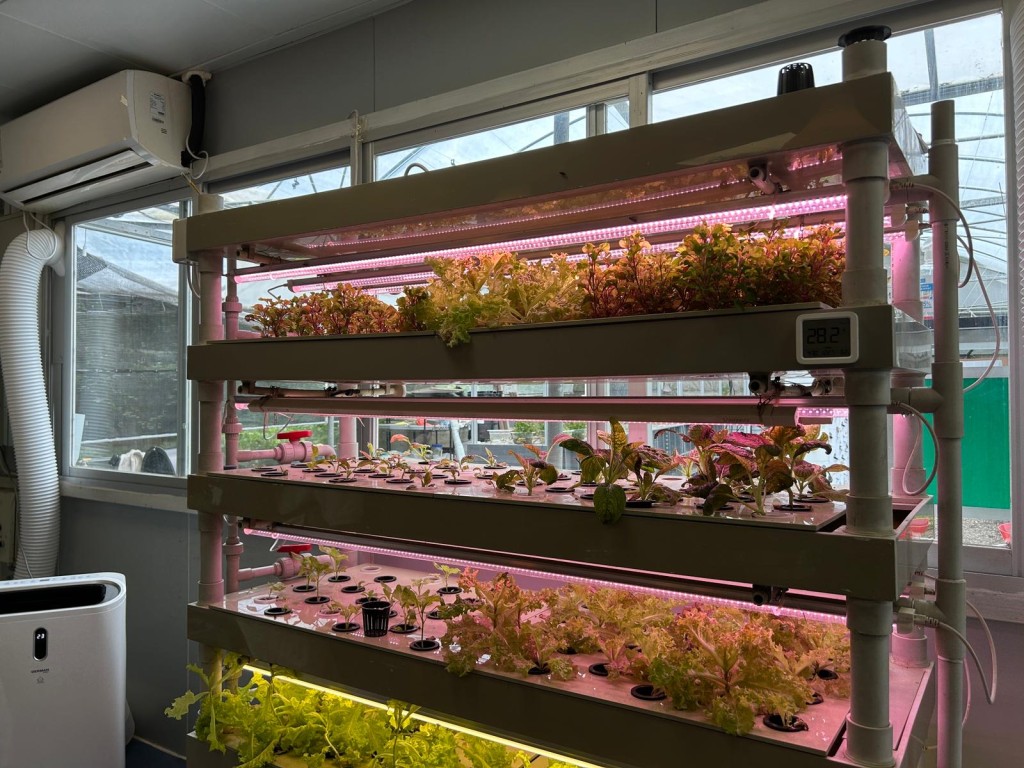
Wong stated that many secondary students have also visited the university’s and Sheung Shui’s processing bases to assist with feeding food waste.
Students from Kowloon Sam Yuk Secondary School showed great interest in engaging in the program after visiting the Sheung Shui base earlier.
A Form 4 student surnamed Wong said: “Before visiting, I didn’t know much about black soldier flies. I wondered if they might be harmful. After learning more, I realized they are beneficial and can help different plants grow and thrive.”
“What fascinates me most is how the black soldier fly pupae can be used for skincare products and even medicine - things are applicable in everyday life,” another Form 4 student surnamed Liam said.
Liu Chi-wa, the school’s Head of STEAM Education, stated: “We want to take students beyond the classroom and help them experience sustainability concepts firsthand.”
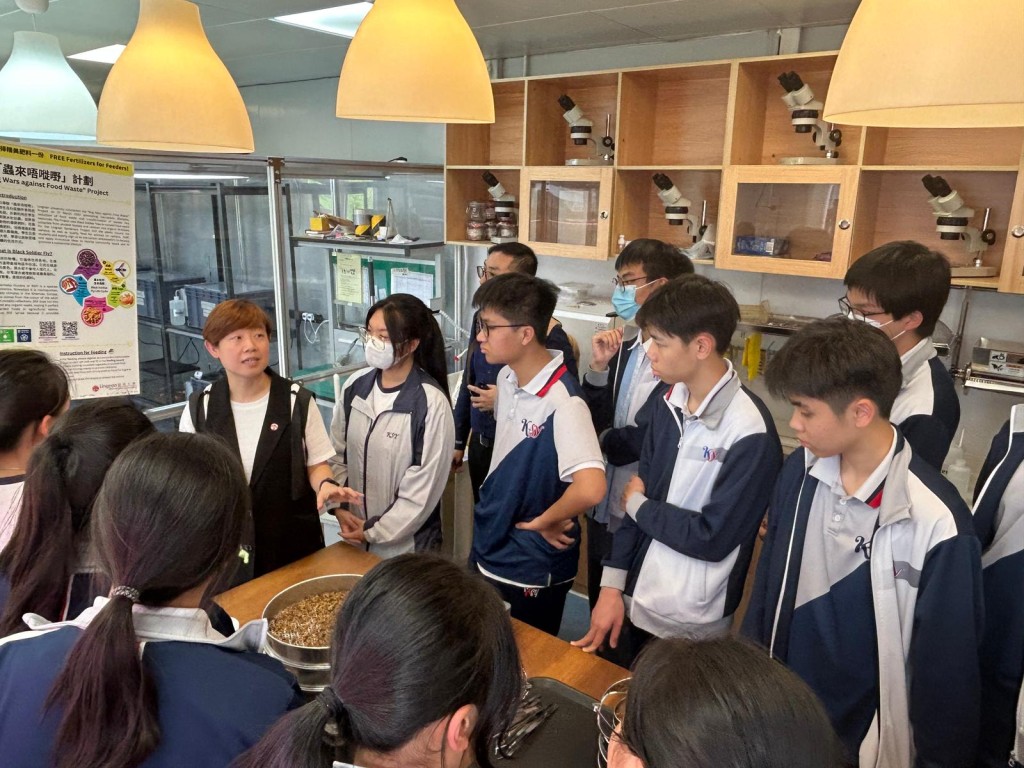
(Cheng Wong)