Read More




Morning Recap - September 22, 2026
4 hours ago






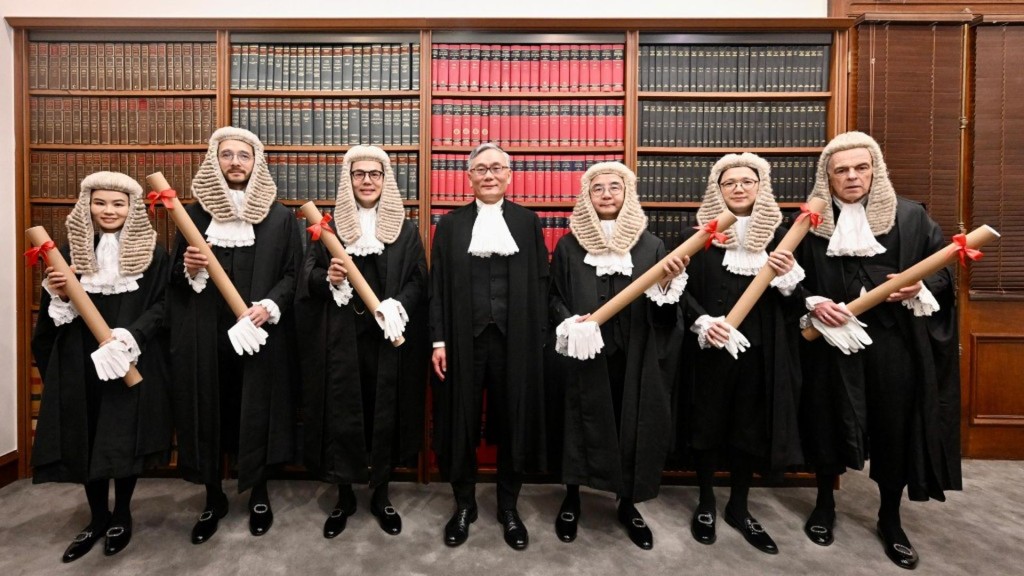
Law Society proposes allowing solicitors to be appointed Senior Counsel
21-09-2026 01:56 HKT
The University of Hong Kong has recommended a group be set up to "protect academic freedom in conformity with national security law provisions," according to a letter sent to senior faculty staff.
Vice president for teaching and learning Ian Holliday sent the letter on March 18, outlining how HKU should operate under the law, stoking concern over how it would affect academia.
"Reaffirming HKU's core commitment to academic freedom and institutional autonomy, this paper recommends two mechanisms be created to ensure, in [teaching and learning], these values are safeguarded to the fullest extent possible within the framework of the NSL," he said.
One proposed new committee, which would comprise the vice president of teaching and learning and two associate deans from different faculties, would evaluate law violation allegations. It also advised a separate group be set up to monitor legal developments within the law.
"This committee is just a symbolic gesture to show the university will take care of those alleged threats to academic freedom, but basically, what can this committee really do, because the NSL is broad and strict and it's open to interpretation?" said a senior university employee. "It will be more difficult to attract international scholars in Hong Kong people will be less vocal."
The letter came after the University Grants Committee asked in a letter on 2022-25 funding for a "holistic approach" to be included in a compulsory course on national security and the Basic Law, three senior university sources said.
Under the law, which punishes what Beijing broadly defines as secession, subversion, terrorism and collusion with foreign forces with up to life in prison, the government is required to increase supervision over campuses. Critics of the HKU letter say it underscores the pressures universities face as the SAR navigates the law.
"Everything will be under surveillance in the future and infringe iupon academic freedom universities will take the requirements of NSL quite seriously," Professional Teachers' Union president Fung Wai-wah said. "By doing so, academic freedom will be at risk ... institutional autonomy will also be jeopardized."
An Education Bureau spokesman said other measures were being considered to ensure loyalty to Beijing.
"The government is now looking into matters relating to oath-taking arrangements, and will announce relevant details in due course," he added, referring to loyalty tests to determine whether people are patriotic.