Read More
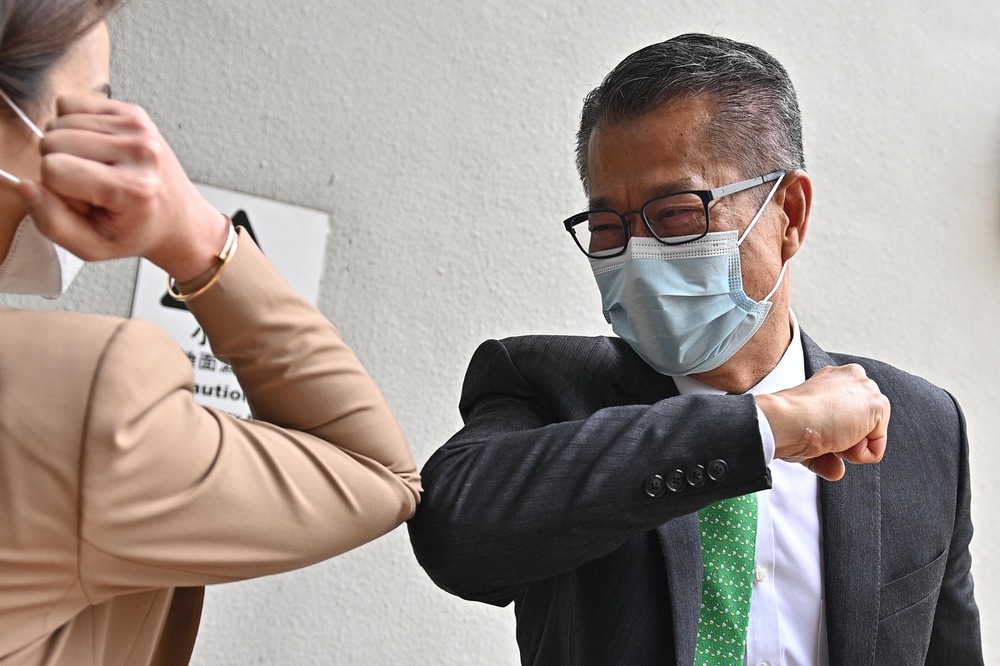
Even fewer sweeteners could be handed out in the future as the SAR struggles with fiscal deficits in the next few years, the Financial Secretary has warned.
ADVERTISEMENT
SCROLL TO CONTINUE WITH CONTENT
Paul Chan Mo-po also said the administration has only preliminary ideas over how consumption vouchers should be distributed, including how they should be given in batches. It will listen to public views before finalizing arrangements this summer.
In this year's budget, Chan announced that an electronic consumption voucher of HK$5,000 would be handed to each permanent resident and new arrival, aged 18 and above, which is only half of last year's HK$10,000 cash handout. HK$1,000 will be distributed a month for five months via electronic payment channels like Octopus Cards.
Chan said the operating account will be in deficit for five years. The operating deficit for2021-22will be more than HK$140 billion while that for the remaining four years will be from HK$22.4 billion to HK$40.7 billion.
The consolidated account is expected to record a deficit for four consecutive years. Although a HK$20 billion surplus is forecast for 2025/26, it has to do with the investment returns from bonds and funds, including the Future Fund, he said.
He dismissed criticism that the government distributed too much cash last year.
"The economic situation last year was worse than this year, and the handouts depend on government revenue for that year," he said.
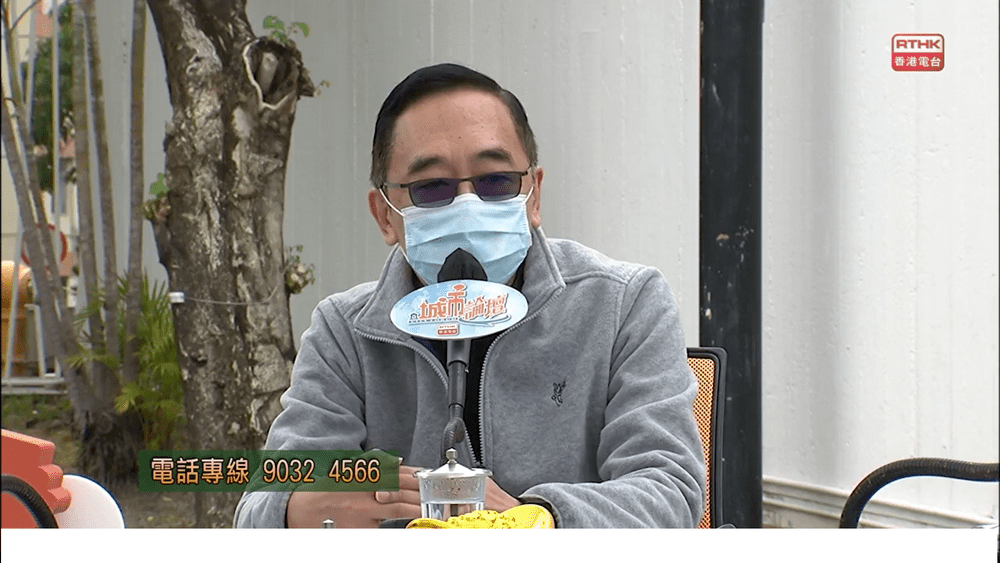
At yesterday's City Forum, League of Social Democrats chairman Avery Ng Man-yuen said the government is not dealing with the problems of poverty in the budget.
"People who live in subdivided flats cannot use the HK$5,000 electronic consumption vouchers to pay rent," Ng said.
The vouchers should be more flexible, allowing people to settle water and electricity bills, said Auyeung Tat-chor, assistant professor of sociology and social policy at Lingnan University.
He criticized the government for disproportionately disregarding unemployment. Even if the government wants to stimulate consumption, it should spare more thought to making the vouchers more user friendly to reduce people's financial burden.
But George Leung Siu-kay, the chief executive of the General Chamber of Commerce, said the public is confused about the purpose of the consumption vouchers.
The electronic vouchers primarily aim to stimulate consumption, which helps small and medium enterprises and alleviates the unemployment problem.
Even if it is somehow helpful in reducing poverty, it is not the main purpose, he said.
He urged the government to help citizens who do not use electronic payment systems .