Read More


Night Recap - October 23, 2026
8 hours ago


Late police constable Chu Chun-kwok to receive full honors funeral on Fri
22-10-2026 15:33 HKT

Kyle Kennedy, granddaughter of Robert F. Kennedy, dies at 42
22-10-2026 04:11 HKT
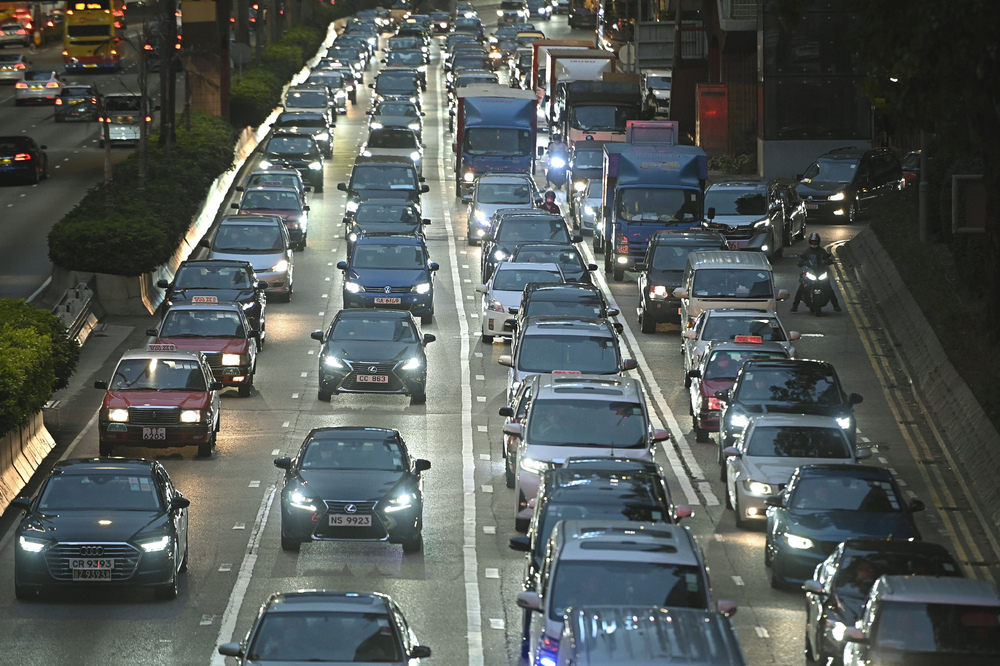
Paul Chan moved to reduce traffic congestion and raise revenue by increasing first registration tax for private vehicles by 15 percent, including electric vehicles, in the first adjustment in a decade.
The license fee has also been increased by 30 percent, the first in 30 years. Both were gazetted yesterday.
The tax rate was raised to 46 percent from 40 percent for the first HK$150,000 of a vehicle's taxable value and to 86 percent from 75 percent for the next HK$150,000.
For the next HK$200,000, the tax rate is up 115 percent from 100 percent, while the remainder of the value is subjected to a 132 percent tax instead of 115 percent.
The buyer of a HK$500,000 vehicle, for example, will pay an extra HK$40,000 after the adjustment, with the first-time registration tax rising to HK$310,000 from HK$270,000.
A Transport Department spokesman said private vehicles ordered or set to be imported into Hong Kong before 11am yesterday will pay the first-time registration tax at the old rates.
Annual fees of private car licenses also rose by 30 percent from 11am yesterday.
The adjusted license fee for petrol vehicles is between HK$5,074 and HK$14,694 a year depending on the cylinder capacity of the engine. This compared with HK$3,929 to HK$11,329 before the adjustment.
The new license fee for diesel vehicles now ranges from HK$6,972 to HK$16,592, instead of HK$5,389 to HK$12,789.
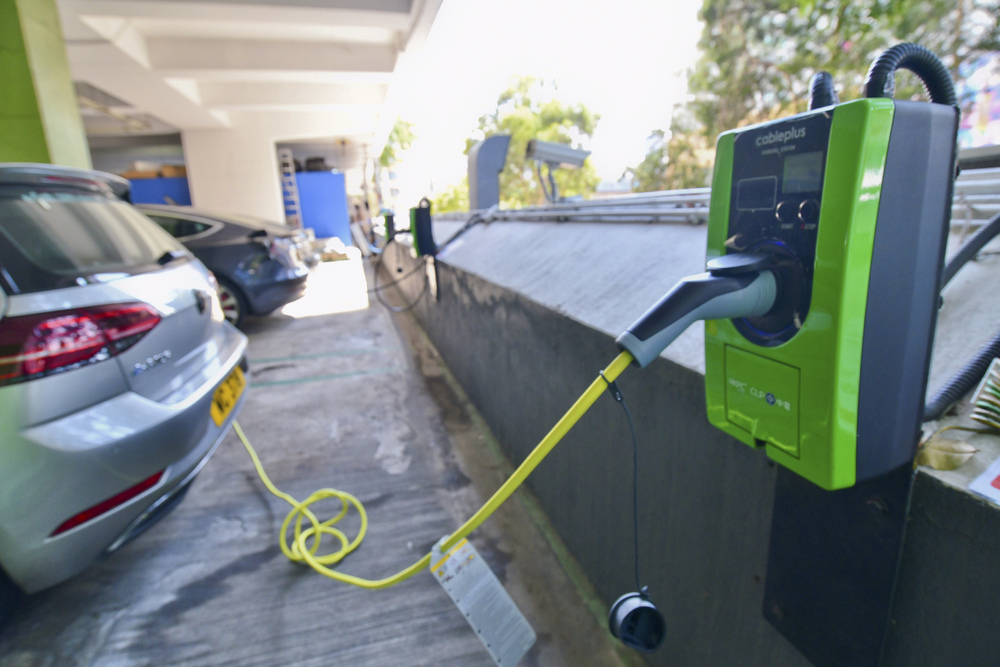
The new annual license fee for electric vehicles is HK$572 for those weighing less than a tonne, plus HK$124 for every 250 kilograms afterward.
Residents can still pay license fees at the old rates if their license expires on or before June 23 this year as long as they submit their renewal application on or before that day. The policy aims to reduce the number of vehicles on the road and relieve traffic congestion, sources said. Government revenue will increase by HK$1.24 billion a year after the adjustments.
"The goal behind the policy is to reduce the number of vehicles on roads, instead of increasing government revenue," sources said.
However, they also admitted they cannot predict the efficiency of the policy.
Statistics show that the number of private vehicles has risen 38 percent in the past 10 years to about 570,000.
The president of the Hong Kong Automobile Association, Ringo Lee Yiu-pui, said the adjustments came at an unsuitable time and the policy is not forward-looking enough.
"The increased license fee will add to employees' burdens after they have already taken a hard hit amid the pandemic and protests. Those who live in remote locations are the main victims, as they are not rich and have to drive to work," Lee said.
"This is a good opportunity for the government to promote electric vehicles, but the government is not forward-looking enough and decided to adjust the tax and license fee in one go, giving up a perfect opportunity to promote electric vehicles."
The government also raised the maximum first-register tax concession for electric private vehicles to HK$287,500 from HK$250,000 under the One-for-One Replacement Scheme, which is for owners replacing their vehicles with an electric one.
michael.shum@singtaonewscorp.com