Read More

Night Recap - May 22, 2026
9 hours ago


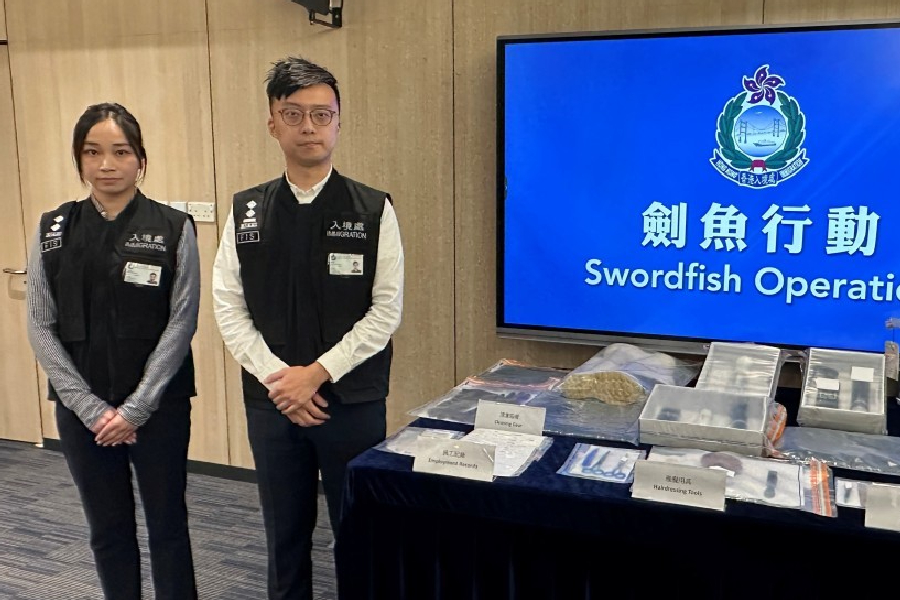
ImmD crackdown targets moonlighting domestic helpers arresting 17
19-05-2026 17:52 HKT

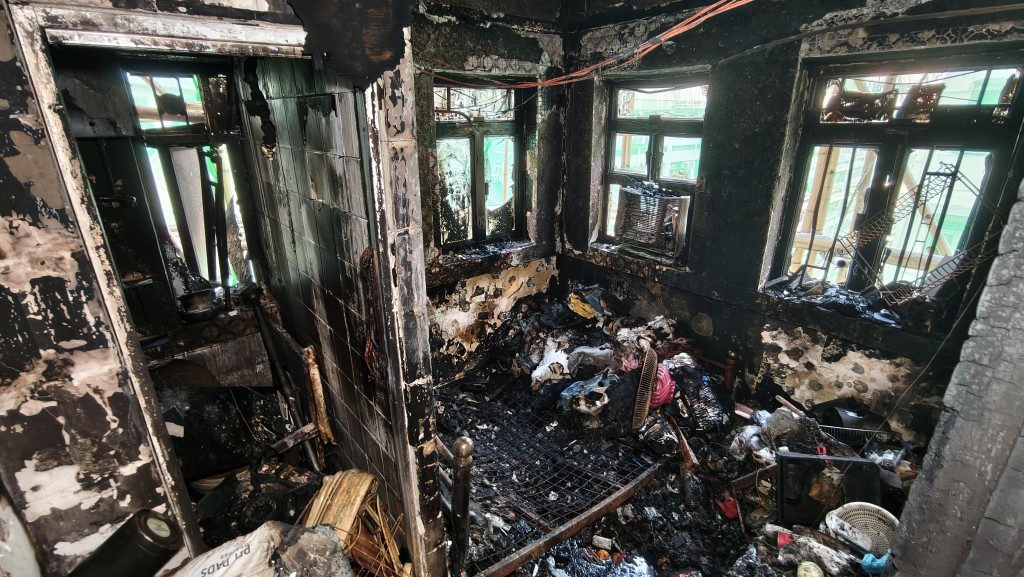
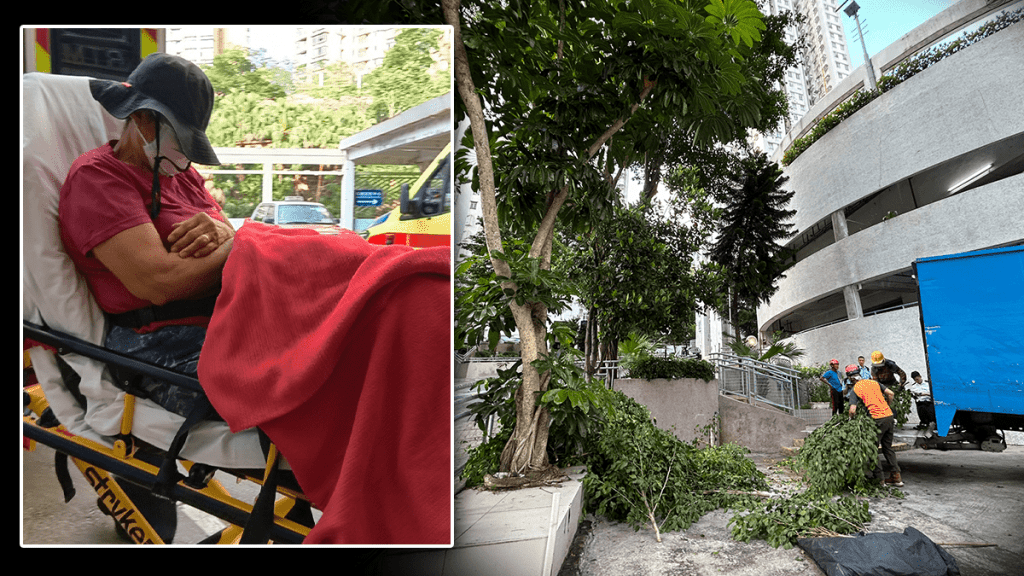
One dead, four injured in Jordan flat fire, 200 residents evacuated
22-05-2026 00:48 HKT
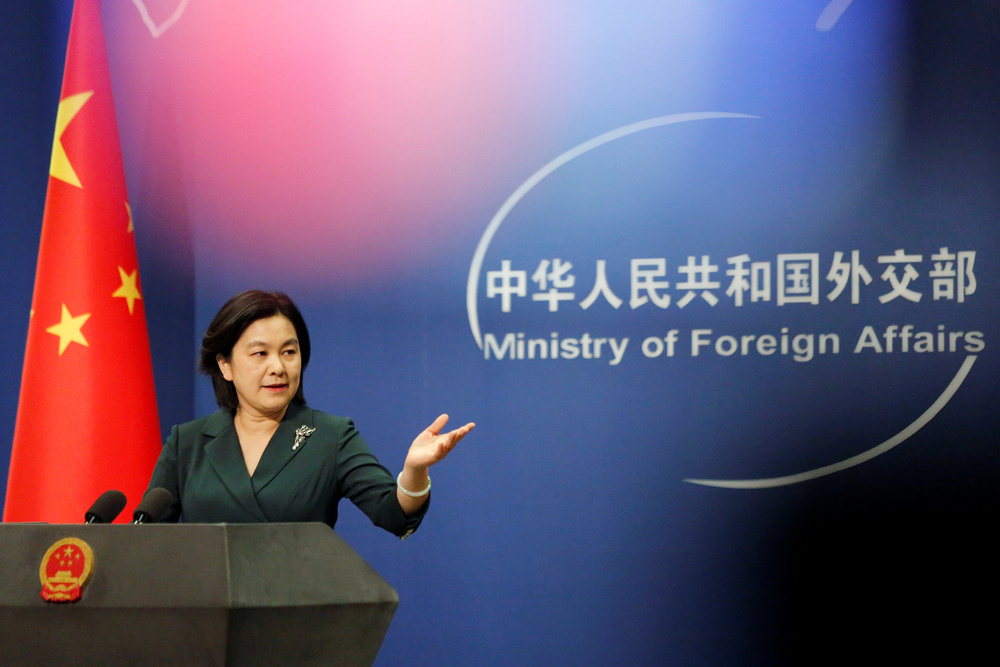
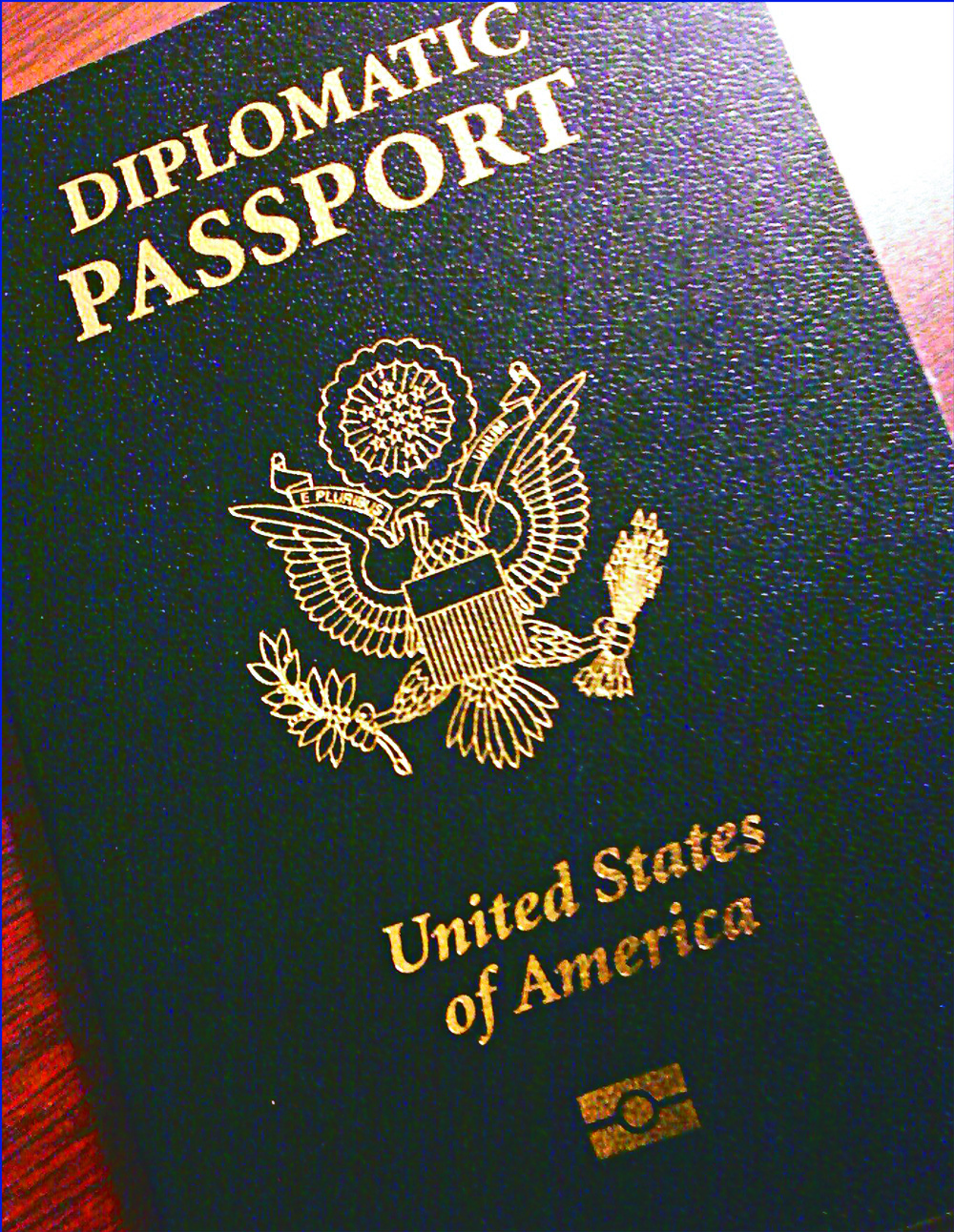
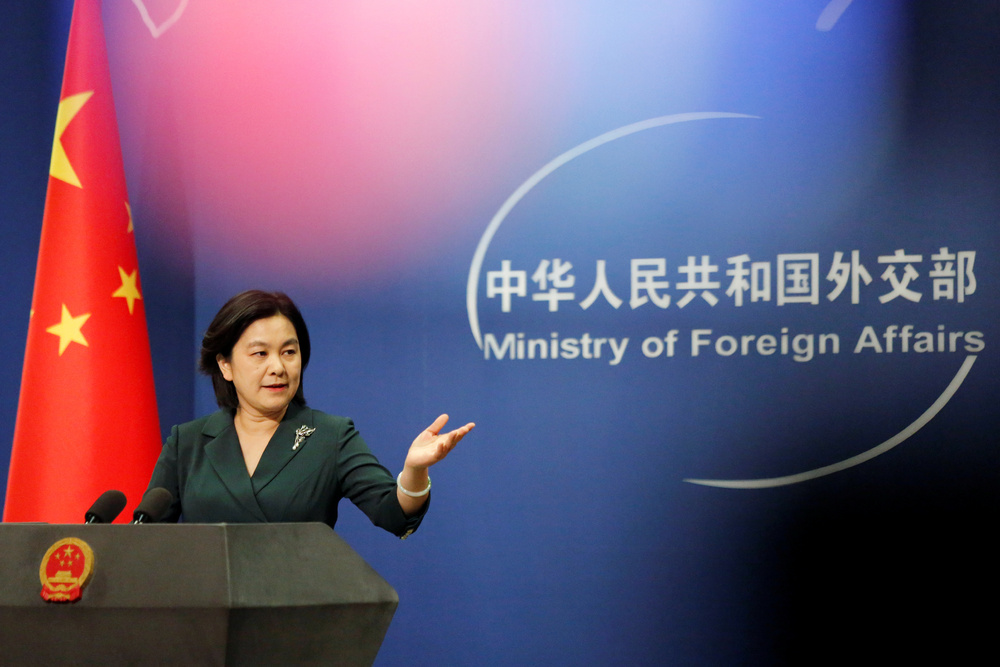
Beijing is revoking visa exemption treatment for US diplomatic passport holders visiting Hong Kong and Macau, says foreign ministry spokeswoman Hua Chunying.
China will also implement reciprocal sanctions against some US officials, members of Congress, personnel at nongovernment organizations and their family members over US actions on Hong Kong, Hua said.
But she did not provide details yesterday, including names of those sanctioned and when the sanctions would take effect. Hua said the move was taken "given that the US side is using the Hong Kong issue to seriously interfere in China's internal affairs."
"China once again urges the US side to immediately stop meddling in Hong Kong affairs, stop interfering in China's internal affairs and not go further down the wrong path," she said.
A diplomatic passport is one of Washington's four special passports, issued to US government employees and dependents traveling abroad at government expense. It cannot be used for personal travel and is good for five years, according to the US Department of State's bureau of consular affairs.
According to the Hong Kong Immigration Department, US passport holders are entitled to a 90-day visa-exempt stay, regardless of purpose. But diplomatic passport holders might have to apply for a visa to enter Hong Kong in the future, according to the foreign ministry.
Harvey Sernovitz, a spokesman for the US consulate in Hong Kong, said it has no comment.
Lau Siu-kai, vice president of the Chinese Association of Hong Kong and Macau Studies, said the move aims to undermine the political strength of the United States in Hong Kong.
"Through the vetting process of a visa, China can limit the United States' room for political activities through its diplomats in Hong Kong," Lau said.
"The US sanctions were nothing more than a charade, but China's retaliation is a more concrete action, as it can really weaken the political strength of the US. Therefore, I think Beijing's move is quite painful for the US," he added.
Political commentator Bruce Lui Ping-kuen said China taking action on US diplomats in retaliation for US sanctions on deputy state leaders of China is not necessarily proportionate, but added that further sanctions may be imposed by the central government later on.
"The fact that Beijing still failed to come up with a list of people to be sanctioned shows that China has yet to determine the people in the equivalent positions to be sanctioned for retaliation," Lui said.
"China has always treated the US consulate in Hong Kong as the largest intelligence agency in the Asia-Pacific, which is the main intelligence gathering base for the US. Therefore, Beijing has always wanted to crack down on such activity."
In July, Hu Xijin, editor-in-chief of Chinese government mouthpiece The Global Times, called for Beijing to close the US consulate in Hong Kong rather than that in Wuhan in retaliation for US orders to close China's consulate in Houston.
Former security chief Ambrose Lee Siu-kwong in 2014 said there were more than 1,000 staff at the US consulate in Hong Kong, raising eyebrows as to why an ordinary consulate responsible for visas and simple diplomatic affairs needed so many workers.
The consulate said the estimation was "wildly inaccurate." It said it had only 320 employees - 140 staff from the United States and 180 from Hong Kong.
michael.shum@singtaonewscorp.com