Read More



Hong Kong has a slim chance of getting a vaccine effective against the coronavirus in the near future.
That word came after New York-based Pfizer and German company BioNTech announced their vaccine is more than 90 percent effective - similar to the measles vaccine - in preventing Covid-19.
It was seen in trials involving 43,000 volunteers.
With the announcement hopes have risen about seeing the end of the year-long pandemic, which has infected nearly 51 million people globally and killed more than 1.26 million since it emerged in Wuhan late last year.
"A great day for science and humanity," Pfizer chief executive Albert Bourla said.
Pfizer is set to submit an application for an emergency use authorization to drug regulators by the end of the month. The vaccine called BNT162b2 is one of 11 leading candidates worldwide.
Like most of them, the Pfizer-BioNTech vaccine requires two doses, three weeks apart.
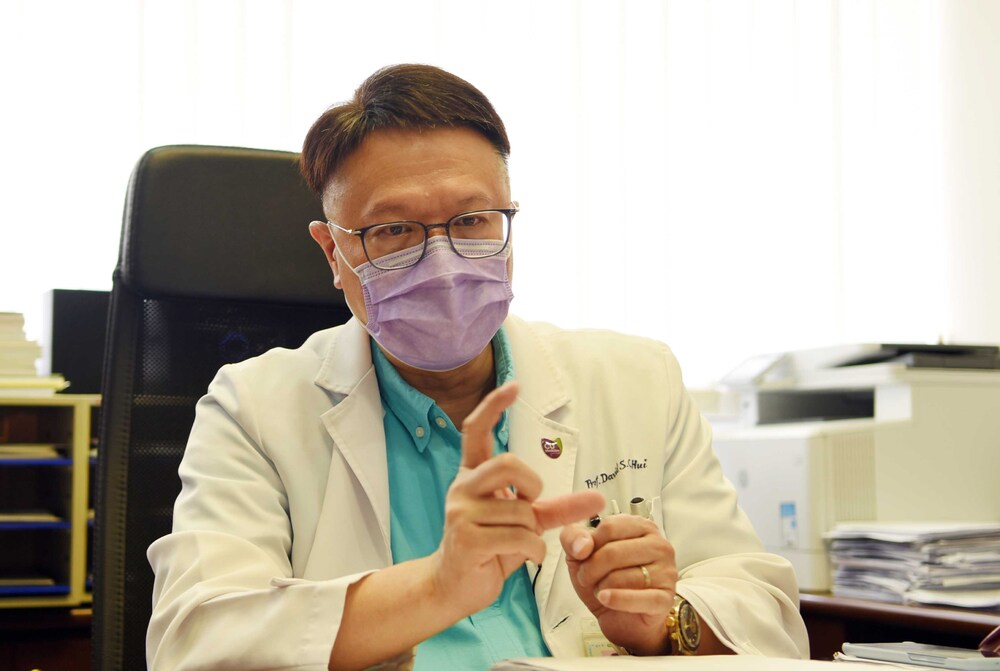
David Hui Shu-cheong, a government adviser and respiratory medicine expert at Chinese University, noted: "An over 90 percent efficacy rate is extremely good as the World Health Organization set the bar at 50 percent for a successful vaccine."
And top American infectious disease specialist Anthony Fauci said it was "extraordinary" that it is more than 90 percent effective.
If the vaccine is authorized, Pfizer and BioNTech are expected to manufacture over 1.3 billion doses for use worldwide by the end of 2021.
But the logistics of storage and delivery will be challenging as the vaccine breaks up unless kept in deep freeze to minus 80 degrees Celsius until it is ready to be injected. To avoid this Pfizer is designing special containers.
Other leading vaccine candidates - which like the breakthrough one use messenger RNA technology - include the United States' Moderna and French pharmaceutical giant Sanofi Pasteur's Translate Bio.
Hui said concerns remain as the Pfizer results were based on initial data and governments worldwide would need to consider if they have enough space to store a large quantity of vaccine.
"I don't know if Hong Kong has such a capacity," he said, and anyway it was unclear if the SAR has put in orders from Pfizer.
The Pfizer-BioNTech vaccine development was funded by the German government.
Ho Pak-leung, a University of Hong Kong infectious diseases expert, said: "Chances are slim for Hong Kong to use this vaccine within this year, or even the first quarter of next year."
He expects the vaccine will be first administered in the United States, Germany and other European countries if approved by the US Food and Drug Administration and the European Medicines Agency.
Ho added that the mainland "has a high chance" of being able to approve its domestically developed vaccines and start offering them "within a short period of time."
But Brazil health regulator Anvisa halted trials of the vaccine CoronaVac being developed by China's Sinovac, citing an "adverse, serious event."
Reports are that a volunteer died after receiving a shot.
Without specifying what went wrong, Anvisa said: "No new volunteer can be vaccinated."
But Sinovac said it had learned that the death "is not related to the vaccine" and "we are confident in the safety of the vaccine."
Meanwhile, Ho also urged Hong Kong authorities to work on vaccination arrangements, especially for high-risk groups.
Acting chief executive and Chief Secretary for Administration Matthew Cheung Kin-chung assured Hongkongers they would get the vaccine if the mainland was successful in developing one.
He added: "Hong Kong has the full support of our country."
The SAR is set to obtain vaccines from two sources, Cheung said.