Read More


Morning Recap - June 17, 2026
1 hour ago





Night Recap - June 16, 2026
12 hours ago

Ocean Park crowds revive memories of its busiest days
15-06-2026 14:27 HKT

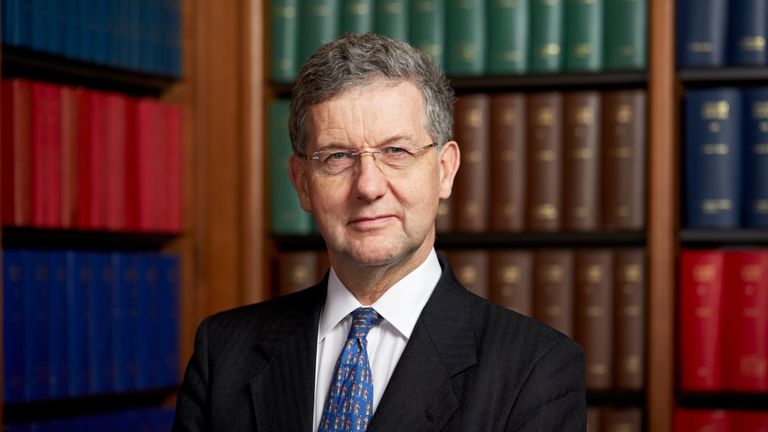
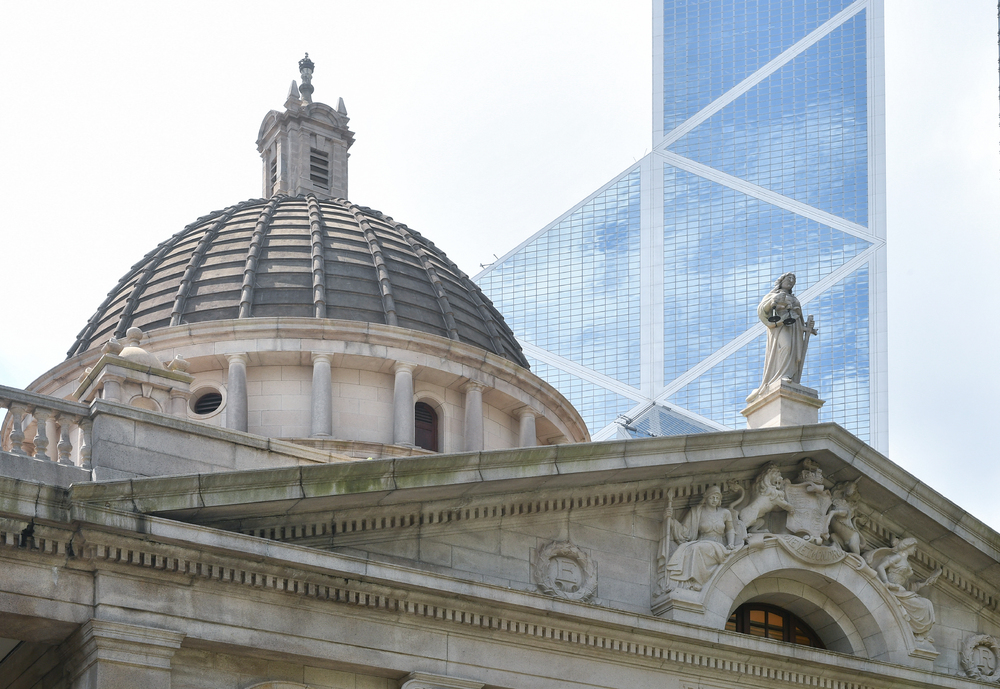
Patrick Hodge, deputy president of the British Supreme Court, will be appointed a nonpermanent judge of the Court of Final Appeal - the first foreign judge to join the city's highest court after Beijing's enactment of the national security law for Hong Kong.
The recommended appointment of the Scottish-born Hodge, 67, will go through the Legislative Council, said Chief Executive Carrie Lam Cheng Yuet-ngor, and will increase the number of nonpermanent judges from other common law jurisdictions to 14.
Lam said yesterday she has accepted the recommendation of the Judicial Officers' Recommendation Commission.
"He is a judge of eminent standing and reputation," Lam said. "I am confident that he will be a great asset to the Court of Final Appeal."
Upon Hodge's appointment, he will be the 14th panel member of nonpermanent judges from other jurisdictions comprising veteran judges from Britain, Australia and Canada, whom Lam praised as "distinguished jurists with profound judicial experience."
She added: "The presence of these esteemed non-permanent judges manifests the judicial independence of Hong Kong, helps maintain a high degree of confidence in our legal system, and allows Hong Kong to maintain strong links with other common law jurisdictions."
Chief Justice Geoffrey Ma Tao-li welcomed Lam's acceptance of the recommendation.
There are four nonpermanent Hong Kong judges and 13 from other common law jurisdictions, with the maximum number of nonpermanent judges set at 30.
In hearing and determining an appeal, the Court of Final Appeal is made up of five judges: the chief justice, three permanent judges and one nonpermanent judge from another jurisdiction or - in rare circumstances - a nonpermanent Hong Kong judge.
This came after Australian judge James Spigelman resigned on September 2, a day after Lam said Hong Kong did not have any separation of powers between the executive, legislature and judiciary branches and that all three are accountable to her and the Beijing government.
Spigelman has told Australian media that he quit because of "the content of the national security legislation." The SAR government, however, said he did not provide any reasons for his resignation.
Senior counsel and Executive Council member Ronny Tong Ka-wah said Hodge's acceptance of the position showed his approval and respect for Hong Kong's judicial independence.
He said he had read Hodge's previous judgments and described him as "a down-to-earth and analytical judge."
Democratic Party lawmaker Ted Hui Chi-fung welcomed the selection of Hodge but said nonpermanent judges from other common law jurisdictions are obliged to monitor the rule of law and judicial independence in Hong Kong.
"If they face pressure or interference, they should consider expressing their opinion publicly by resignation and other means," he said.
"If they say nothing in front of injustice, it is equivalent to tolerating the regime to use the judiciary as a political tool."
jane.cheung@singtaonewscorp.com