Read More
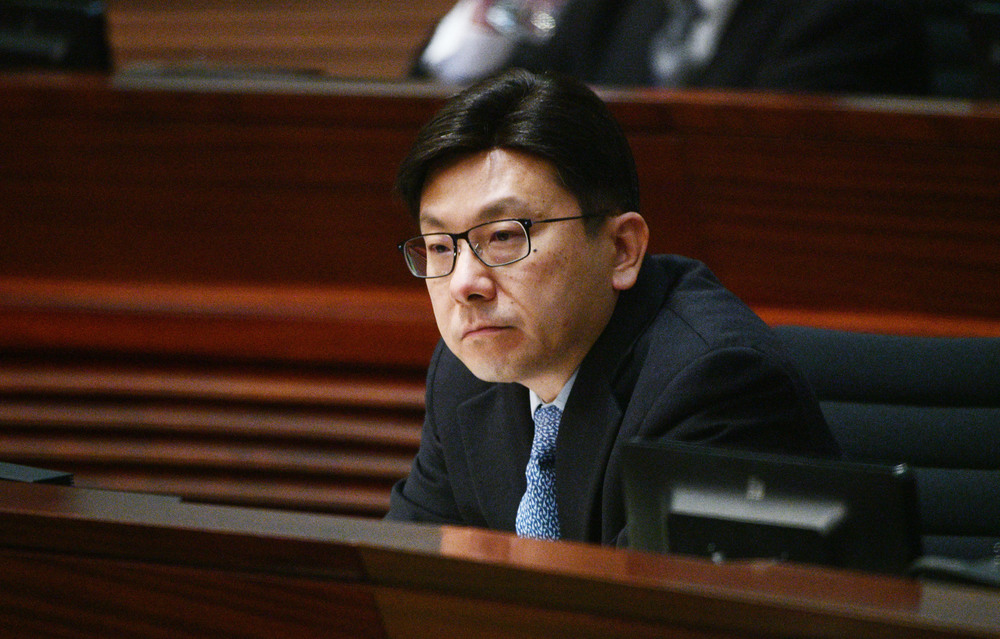
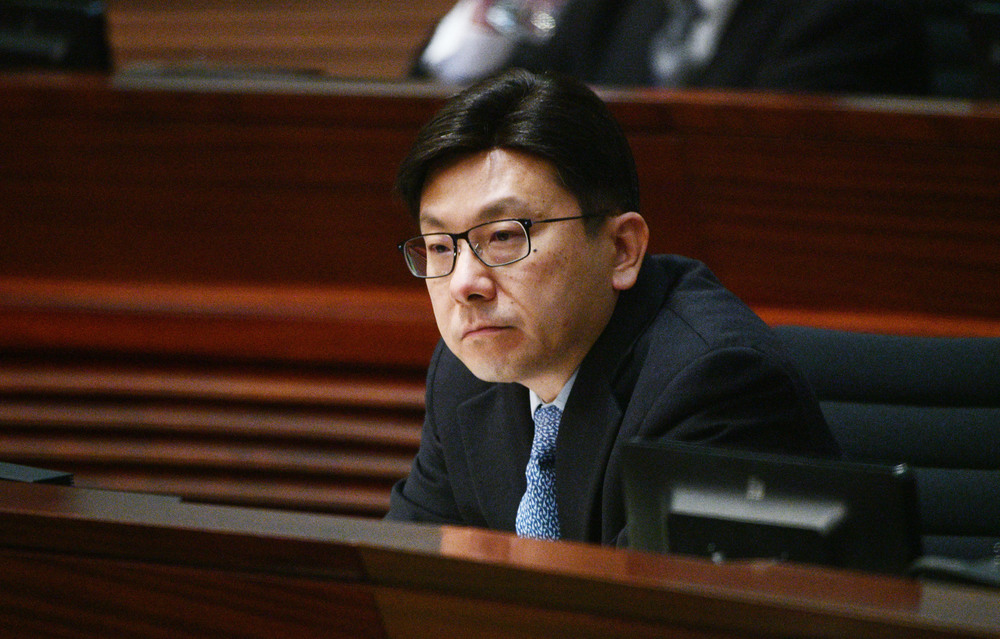
Divorced parents won’t be required to get their ex-partner’s consent or prior notification for major child decisions, as Secretary for Labour and Welfare Chris Sun Yuk-han stated the government will not forcibly restart the legislative process on the relevant bill.
ADVERTISEMENT
SCROLL TO CONTINUE WITH CONTENT
At the Legislative Council meeting on Wednesday, legal sector lawmaker Lam San-keung questioned whether the government would begin the legislation of the Children Proceedings (Parental Responsibility) Bill, which seeks to reform parental responsibilities, establish guardian roles, and ensure that courts prioritize the “best interests” of a child.
The controversy surrounding the Bill centers on introducing the parental responsibility model into Hong Kong family law by legislative means to prioritize both parents’ continuing responsibilities toward their children over individual parental rights after divorce.
Sun stated that the Labour and Welfare Bureau prepared the draft bill in 2015 to establish a statutory list of parental responsibilities and rights, which requires parents to obtain the other parent’s consent or notify them ahead of major decisions regarding their child’s upbringing.
However, many stakeholders, including single parents, raised concerns that the bill could exacerbate conflicts for divorced parents, particularly in families with domestic violence issues.
Sun noted that single-parent groups were also concerned that the requirement to “obtain the other party’s consent for major decisions concerning the child” would be misused by a vindictive ex-spouse, potentially harming the child.
Therefore, the government shelved the proposal and is instead focusing on implementing support measures for divorced families.
To gauge stakeholder opinions on the legislative proposal, the Social Welfare Department collected feedback in the second half of 2024, finding that over 61 percent opposed allowing ex-spouses who do not live with their children to participate in major decisions affecting the children’s welfare and future.
Sun stated the government understands community views that the legislation could reflect court criteria for judgments and promote understanding of joint parental responsibilities after divorce.
However, he noted there remains a general lack of awareness and misunderstanding of custody orders in the community.
“Divorced parents tend to focus on defending their custody rights, which may lead them to overlook the continuous joint parental responsibilities with the other parent with regard to the principle of safeguarding their children’s best interests,” he explained.
In response, Lam expressed anger and disappointment, stating that the government should explain the legislative intent to stakeholders, seek common ground, and advance the process based on mutual consensus.
(Cheng Wong)
SINGTAO