Read More


Morning Recap - May 28, 2026
4 mins ago









Night Recap - May 27, 2026
9 hours ago


Hong Kong a conduit for mainland, French firms
26-05-2026 06:00 HKT
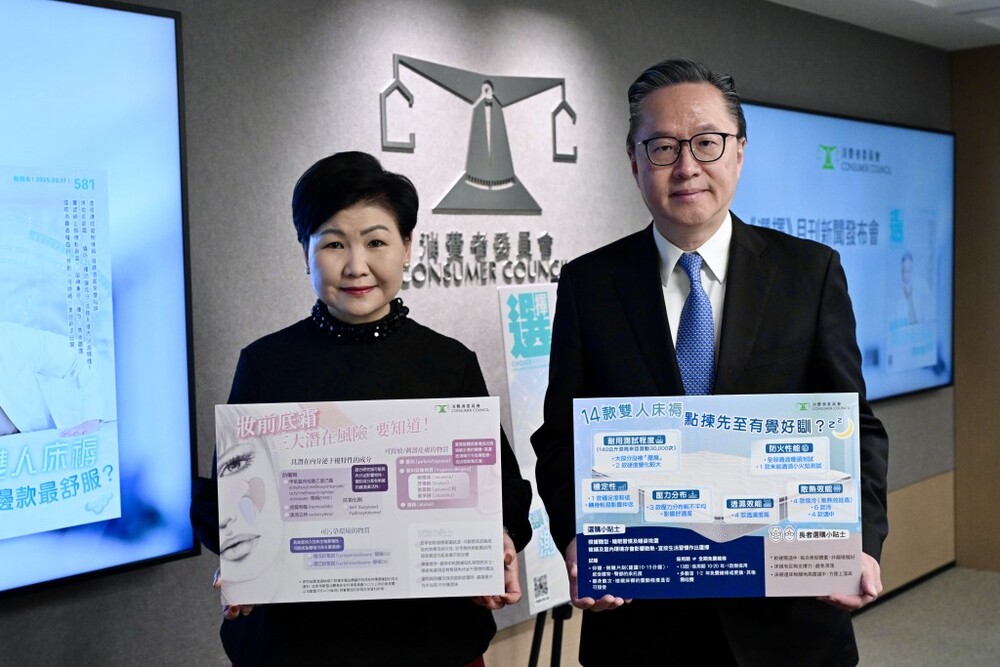
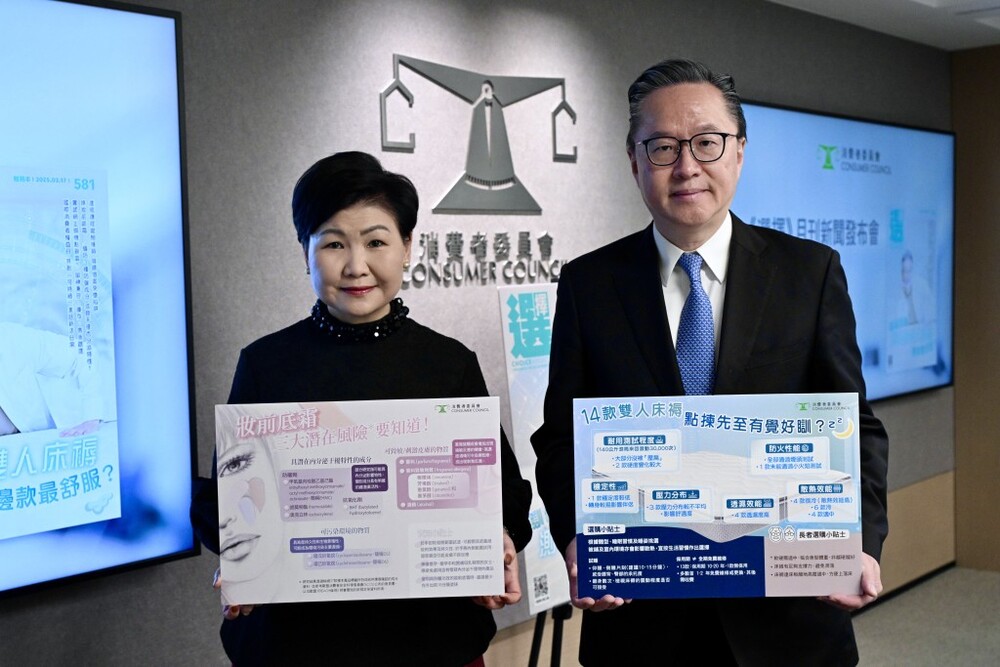
The Consumer Council has raised concerns over educational courses that fail to deliver on their promises, urging the industry to reform its practice to avoid potential law violations.
The call came as the consumer watchdog received 94 complaints on educational courses as of February, many involving misleading claims and unethical practices.
One common issue involves courses advertised with a “100 percent refund guarantee”, which are later denied on various pretexts, the council revealed in its latest CHOICE magazine.
In one case, a complainant, Sze, paid HK$87,000 for an online business course, only to discover that additional costs for digital tools were required to achieve the promised results.
When seeking a refund, the company refused, citing incomplete course participation and failure to purchase the necessary tools.
Despite the council’s intervention, the company insisted on its refusal, prompting advice to seek legal recourse.
Another case involved a finance course claiming to offer personalized wealth strategies.
A complainant paid HK$48,000, only to discover the “strategy” was a push to invest in overseas properties through the company’s agent services.
After six months of unsuccessful refund attempts, the company agreed to a full refund following the council’s intervention.
In a third case, a complainant was lured into a life coaching course with a free voucher but was asked to pay a HK$7,800 deposit, which the company refused to refund after becoming uncontactable.
The council’s attempts to reach the company were unsuccessful, and the complainant was advised to consider legal action and report the matter to the Customs.
The council noted social media’s role in promoting such courses, often using enticing claims like "100 percent refund guarantee," "proven success”.
“If courses do not deliver their promises or have hidden commercial agendas, consumers may feel deceived, which not only compromises consumer rights but also seriously damages the reputation of Hong Kong’s education and service industries,” the council said.
The watchdog also criticized the use of "training courses" as a front for unrelated business purposes, urging immediate reform.
It emphasized traders must ensure accurate claims and clear terms, as failures could violate the Trade Descriptions Ordinance.
Consumers were advised to research providers, understand terms, and retain transaction documents for reporting violations to Customs or the council.
(Ayra Wang)