Read More



Night Recap - October 2, 2026
8 hours ago


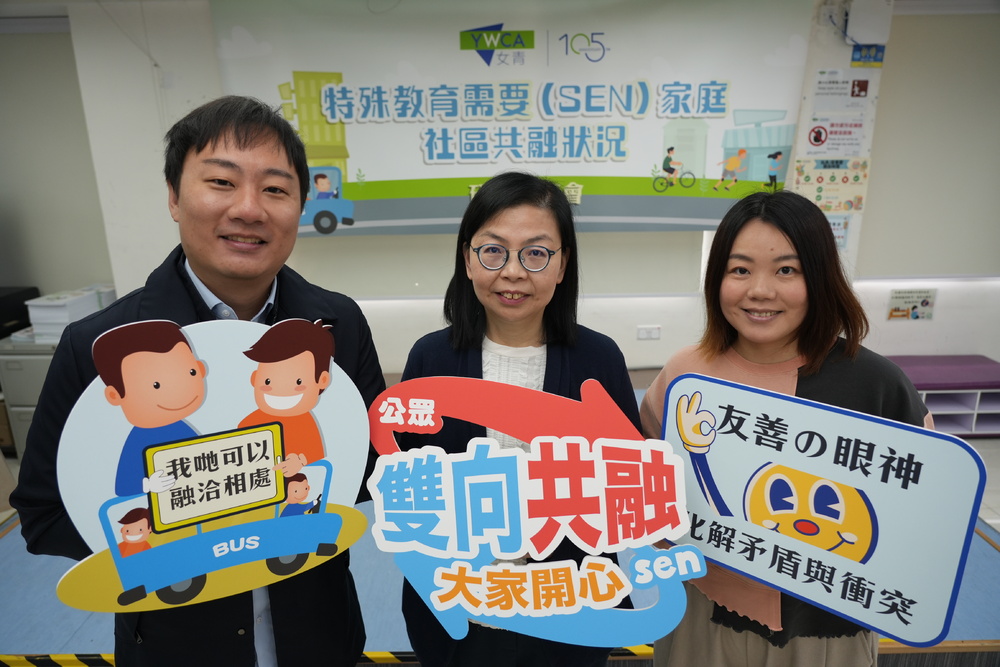
Nearly 50 percent of parents with children who have Special Educational Needs (SEN) reported they and their children had experienced unkind treatment, according to a survey conducted by the Hong Kong Young Women’s Christian Association (YWCA).
From September to October last year, the YWCA surveyed 520 parents of SEN children online. Among them, 43.1 percent reported being stared at due to their children’s behavior, and 31.7 percent reported their children being laughed at by classmates.
Over 60 percent of parents said they would immediately take their children away from unkind situations.
Most believe public acceptance of SEN children is challenging, with some concerned their children might cause trouble, leading to reduced social activities.
The survey also interviewed 619 members of the general public, many of whom said they tended to attribute the behaviors of SEN children to being naughty or to perceived issues with parental discipline.
Mrs. Lee, whose child has Attention Deficit Hyperactivity Disorder (ADHD) and Autism Spectrum Disorder (ASD), said her son once could not control himself and cried loudly at a community center.
While she was trying to calm him, an onlooker suddenly remarked, “Children need to be scolded,” which only made her son cry even louder. This left her feeling very discouraged.
YWCA Chief Officer (Youth and Community Service) Bettina Ng Tsui-ping said: “Although the government provides various support for SEN children, the findings of this survey show that the public often reacts to children’s unusual or disruptive behaviors with disdain or disgust, paying little attention to their thoughts or reasons behind.”
“The public’s reactions reflect the community’s level of acceptance toward the SEN group. We hope the government and other stakeholders will promote more public education to achieve mutual integration between the public and the SEN community,” she said.
Ng also noted that while many new teachers have joined schools in recent years, training opportunities for handling SEN students are still inadequate.
She hopes to see an increase in available training slots so that all teachers can receive the necessary training.
(Cheng Wong)