Read More














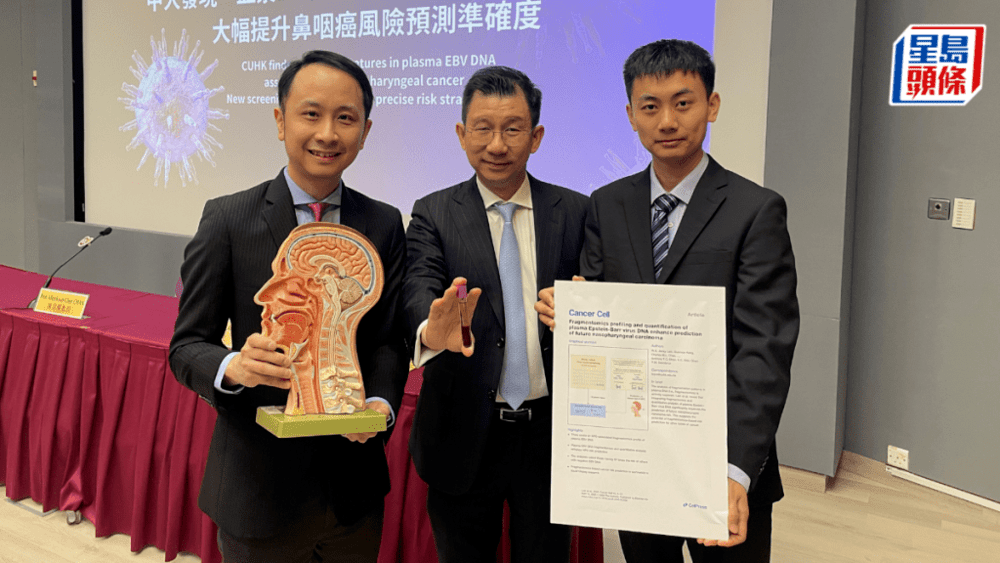
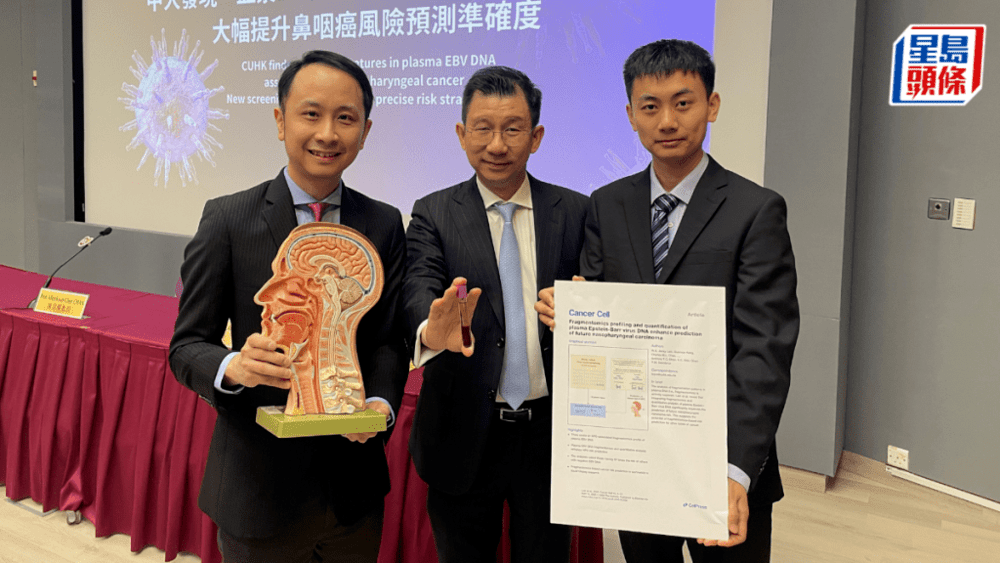
A research team at the Chinese University of Hong Kong has developed a method to detect early-stage nasopharyngeal cancer with no symptoms through blood tests.
The university said its earlier studies showed that nearly all nasopharyngeal cancer cases are associated with Epstein-Barr virus (EBV) infection, making the detection of EBV DNA in plasma "a robust diagnostic tool." However, the infection is so common that plasma EBV DNA can also be found in non-cancer patients.
In a latest study, the team has identified molecular features in the EBV DNA that are specifically associated with the cancer, which are significantly different from those found in other individuals.
The groundbreaking study revealed that patients with cancer-associated EBV DNA in their blood were 87 times more likely to develop the nasopharyngeal cancer.
The nasopharyngeal is a highly aggressive head and neck cancer that frequently metastasizes to distant lymph nodes and organs.
The 2022 Hong Kong Cancer Registry reported over 700 new cases each year, ranking it among the top ten cancers in males in the region.
From 2013 to 2016, CUHK’s research team screened over 20,000 asymptomatic middle-aged males in Hong Kong for plasma EBV DNA, identifying 34 nasopharyngeal cancer cases, 70 percent of which were at stages I or II.
A follow-up study from 2017 to 2020 found 24 more cancer cases among the same group. The research also indicated that detectable plasma EBV DNA via conventional polymerase chain reaction increases the risk of developing nasopharyngeal cancer within four years.
“Our latest research confirmed that integrating DNA fragmentomics analysis with existing blood tests for cancer can further enhance the accuracy of cancer prediction,” said Allen Chan Kwan-chee, Chairman and Professor in the Department of Chemical Pathology at CU Medicine.
Assistant Professor from the same department Jacky Lam Wai-kei stated: “The innovative finding not only confirmed the clinical value of plasma EBV DNA testing but also established a novel molecular biomarker system for precision nasopharyngeal cancer screening.”
(Cheng Wong)