Read More











Morning Recap - September 22, 2026
9 hours ago



John Lee and CY Leung lead pallbearers for Tung Chee-hwa
20-09-2026 15:54 HKT


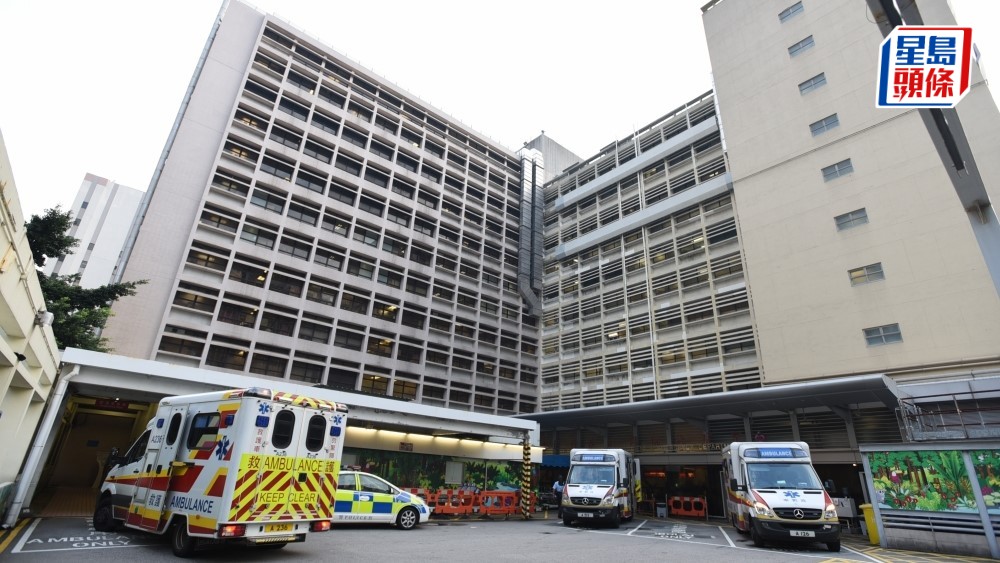
A 7-year-old boy has been diagnosed with meningococcal infection and is receiving medical care in Queen Elizabeth Hospital, where he is in stable condition, according to The Centre for Health Protection (CHP).
The center stated the boy, who had previously been in good health, developed a fever and vomiting on Thursday (March 6) and sought medical assistance at Queen Elizabeth Hospital's Accident and Emergency Department on Saturday (March 8).
The laboratory test on the patient's cerebrospinal fluid specimen revealed a positive result for Neisseria meningitidis, leading to a clinical diagnosis of meningitis.
An initial investigation revealed that the patient had no travel history during the incubation period, but one of his household contacts developed a sore throat and would seek medical assistance based on the CHP's advice.
The investigation is ongoing, and the center has provided chemotherapy for the patient's five close contacts.
Meningococcal infection is caused by a bacterium known as meningococcal, which spreads primarily through direct contact with infected individuals' respiratory secretions, such as droplets from the nose and throat.
The incubation period ranges from two to ten days, typically averaging three to four days.
The center highlighted the varied clinical symptoms, emphasizing that severe sickness may occur when the bacteria penetrate the bloodstream (Meningococcaemia) or the membranes that enclose the brain and spinal cord (meningococcal meningitis).
Additionally, meningococcemia can cause sudden fever, severe headaches, purpura, shock, and death in severe cases.
The CHP urged the public to avoid direct contact with infected individuals' respiratory droplets and to practice good hygiene in order to reduce the risk of transmission.