Read More
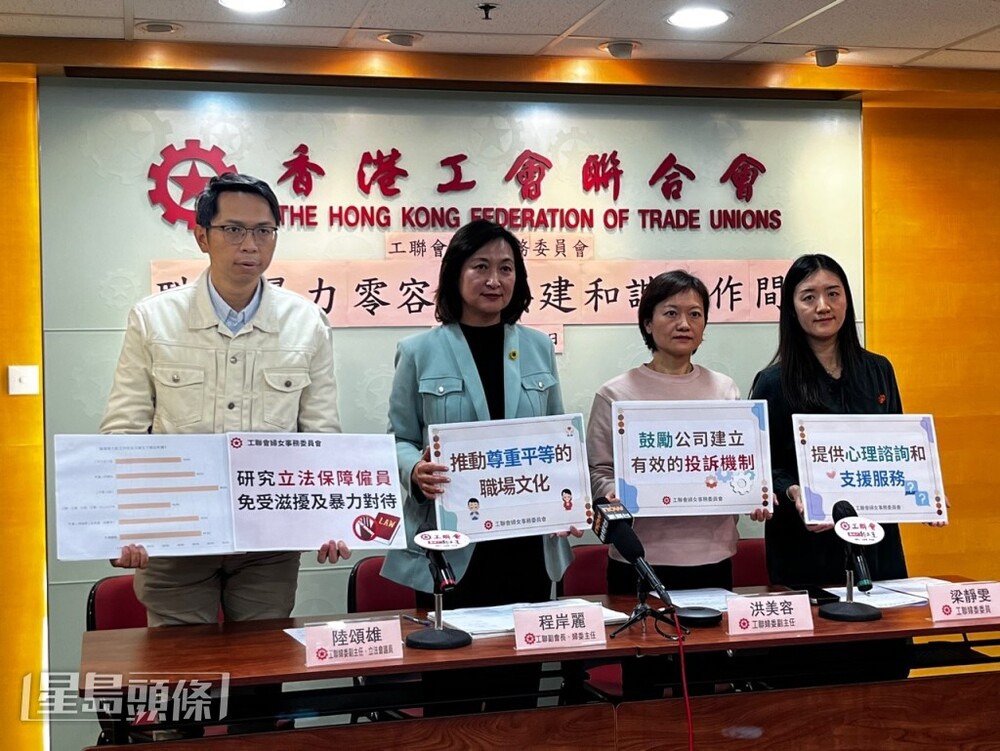
Around 40 percent of women have experienced workplace violence, and over 70 percent of them stay silent about the assault, according to a survey.
ADVERTISEMENT
SCROLL TO CONTINUE WITH CONTENT
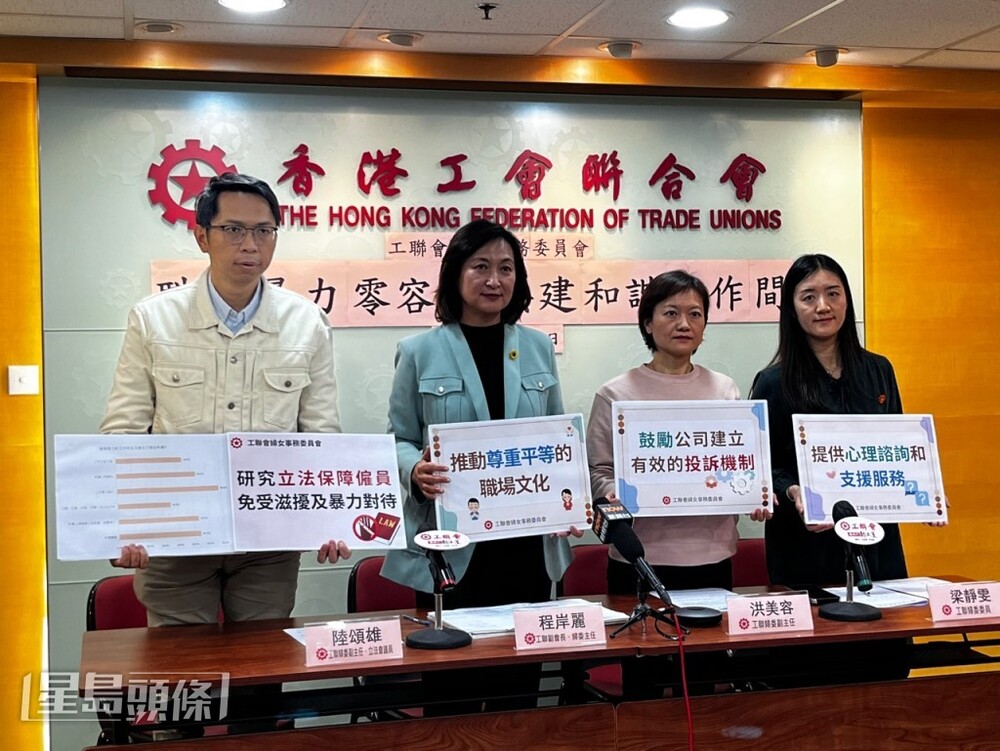
The survey, conducted by the Women Affairs Committee of the Hong Kong Federation of Trade Unions (FTU), interviewed 264 women last month.
Of those who encountered violence in the workplace, nearly 90 percent involved verbal abuse such as public insult or belittling, while around 11 percent are linked to physical abuse.
A higher incidence of workplace violence in sectors like public services, catering and construction was seen, Vice President of FTU Ching Ngon-lai stated that employers in these sectors need to enhance safety management.
She also indicated that over 80 percent of perpetrators are colleagues or supervisors, highlighting the increased risk of violence in familiar environments.
FTU lawmaker Michael Luk Chung-hung stated that workplace violence causes severe psychological stress and hinders career development for victims.
He cited a case involving a female bus driver who had a dispute with a male driver over parking issues.
The male driver repeatedly filmed her with his phone and verbally abused her with crude language. As a result, the female driver experienced significant distress and needed to see a psychiatrist and take sleeping pills.
Luk criticized the bus company’s slow handling of the situation, noting that it involved complicated administrative procedures and seemed to lack trust in the victim as if she was exaggerating the issue.
Although the male driver resigned, Luk asserted his use of vulgar, sexually charged language constituted sexual harassment, and the bus company should issue a formal report.
Furthermore, a more concerning issue noted by FTU member Hung Mei-yung was that among all reported cases from companies, only 29 percent were handled effectively, while over half remained unresolved.
She stated that this reflects a significant lack of effective mechanisms and enforcement in many companies, leading to employees’ voices not being adequately heard.
(Cheng Wong)