Read More


Night Recap - May 22, 2026
6 hours ago





ImmD crackdown targets moonlighting domestic helpers arresting 17
19-05-2026 17:52 HKT
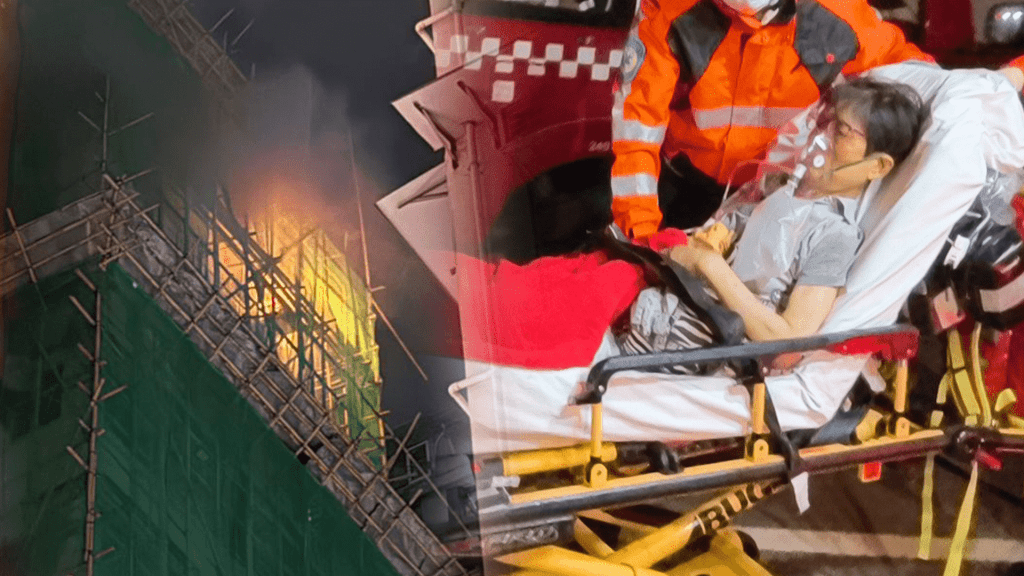
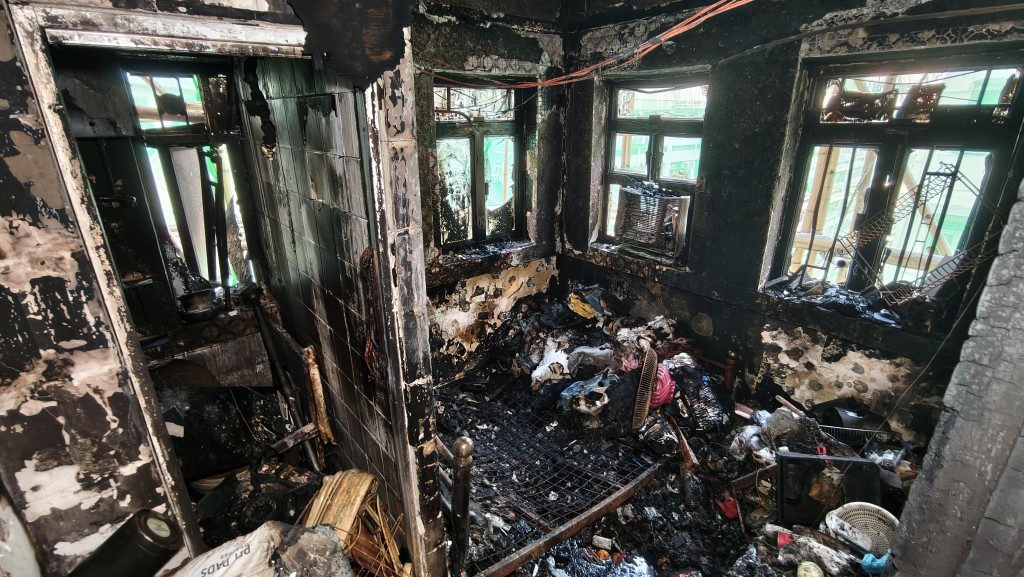
One dead, four injured in Jordan flat fire, 200 residents evacuated
22-05-2026 00:48 HKT


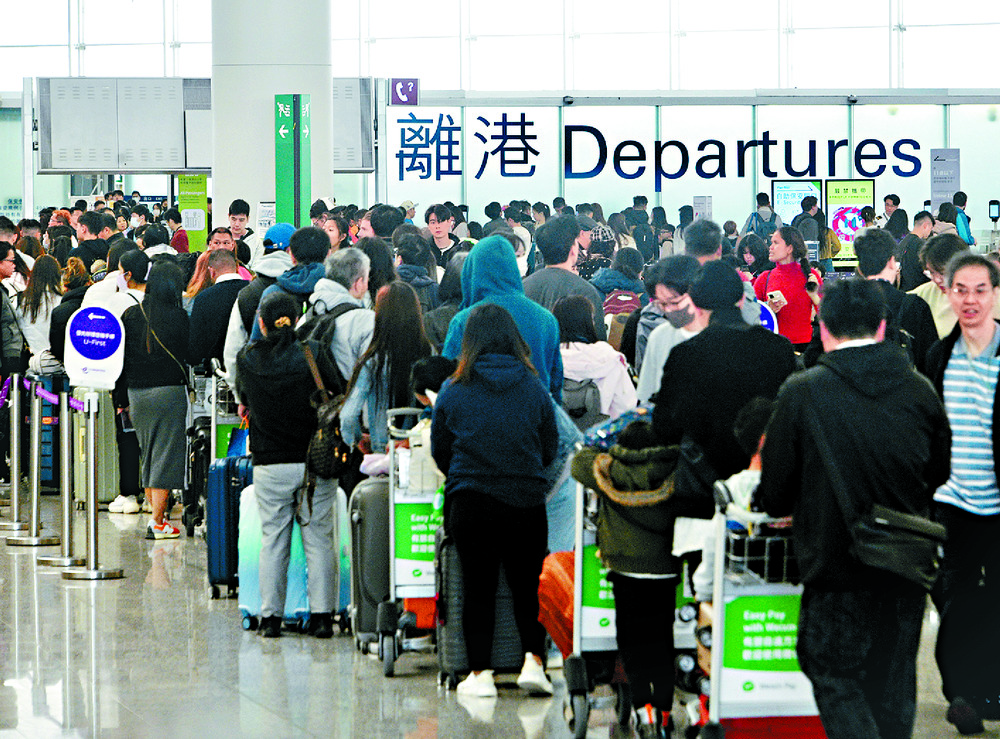
The recent budget announcement on Wednesday introduced a boundary facilities fee for private cars at land-based border crossings, prompting some Hong Kong drivers who regularly travel to the mainland to consider using buses instead.
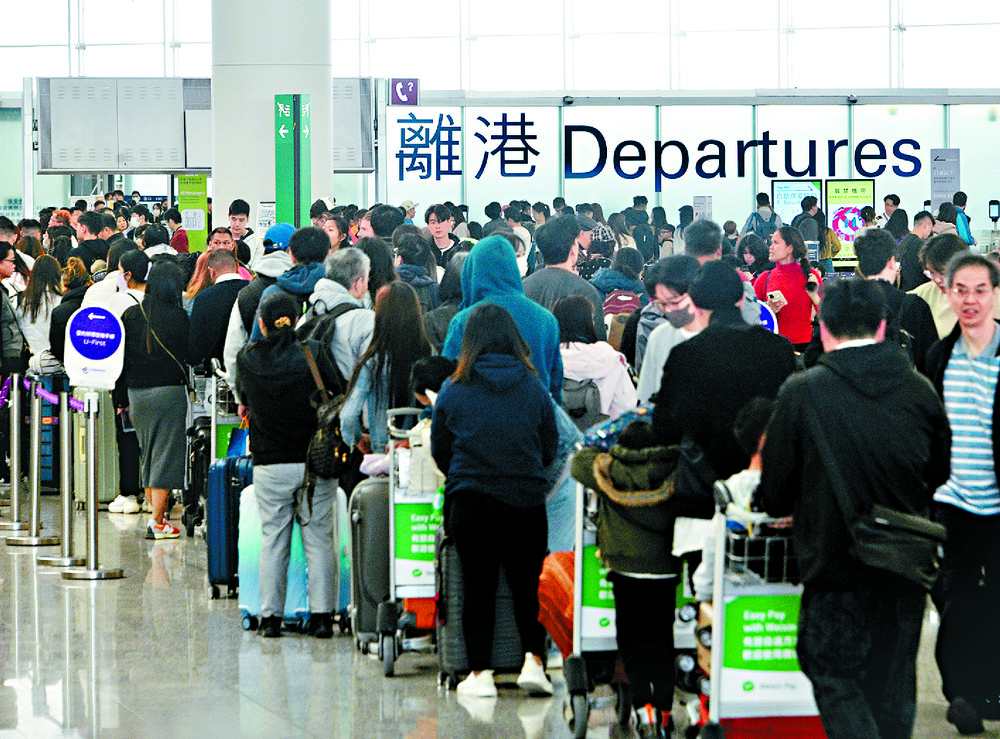
Additionally, the budget proposed an increase in the air passenger tax from HK$120 to HK$200, set to begin in the third quarter of the fiscal year 2025-26.
Paul Chan Mo-po, who announced on February 26, stated that the adjustment is expected to generate an additional HK$1.6 billion in annual revenue.
A local resident, surnamed Yiu, expressed his willingness to pay the extra HK$80, noting that the benefits to the government justify the cost.
Similarly, another resident surnamed Ho mentioned her readiness to spend more for leisure travel, indicating that there could be more tax increases due to the rising number of tourists and the consequent strain on public resources.
The proposed boundary facilities fee of HK$200 per car could potentially raise another HK$1 billion each year.
However, some drivers are concerned about the increased costs of traveling to the mainland.
Tang, a driver, argued that the fee could discourage travel and spending, which contradicts the government's intentions to boost economic activity through the Hong Kong-Zhuhai-Macao Bridge.
In response to the potential increase in travel costs, Chan, another driver, stated his preference for the Hong Kong-Zhuhai-Macao tourist bus over driving his vehicle.
To address concerns from frequent travelers, Stephen Kwok Chi-wah, president of the Hong Kong Small and Medium Enterprises Association, suggested implementing a monthly fee plan.
He proposed a cap, such as a maximum charge of HK$1,000 for up to five times per month, to mitigate the impact on businesses exploring new opportunities in the mainland.
The government has announced plans to further review the fee structures and finalize the details before presenting them to the Legislative Council for discussion. The new charges could be implemented as early as next year, pending legislative approval.