Read More




Credit card fraud hits foldable iPhone Duo launch
17-10-2026 12:23 HKT
Three arrested over missing fire door frames in public estate lift overhaul
16-10-2026 20:10 HKT


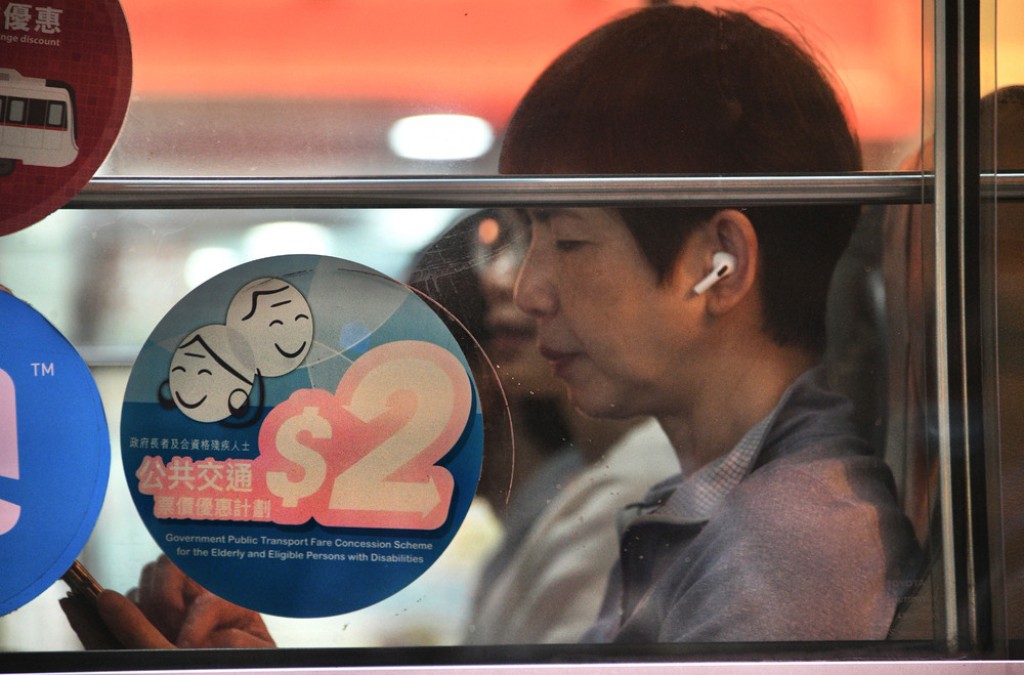
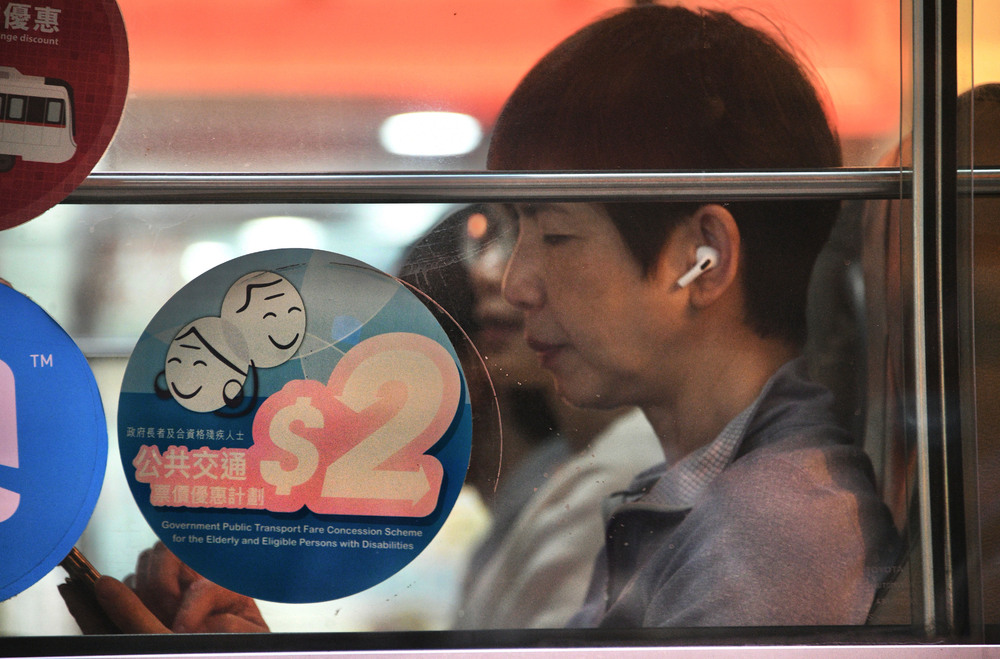
The government has announced significant adjustments to the Public Transport Fare Concession Scheme for the elderly and disabled, introducing an 80 percent discount for trips with fares exceeding HK$10. Under the revised scheme, the number of concessionary trips will be capped at 240 per month.
Paul Chan said that a review of two high-expenditure transport subsidy schemes was requested, which includes the Public Transport Fare Concession Scheme and the Public Transport Fare Subsidy Scheme.
He stressed the need for financial sustainability in continuing these programs.
Elderly and disabled persons will continue to pay a flat rate of HK$2 for trips costing HK$10 or less. For trips that cost more than HK$10, an 80 percent discount will be applied to the full fare.
In addition, the number of concessionary trips will now be limited to 240 trips per month.
In terms of the Public Transport Fare Subsidy Scheme, the threshold for monthly transport expenses to qualify for the subsidy will increase from HK$400 to HK$500.
The government will maintain a subsidy of one-third of transport expenses that exceed HK$500, while the existing cap of HK$400 per month will be left unchanged.
The government plans to enhance efforts to contain operating expenditures, including increasing the reduction rate of recurrent government expenditure from 1 percent to 2 percent in 2025-26.
This reduction will extend to 2027-28, resulting in a cumulative reduction of 7 percent when combined with last year's cuts.
Also, the government will allocate HK$68.1 billion to University Grants Committee-funded universities over the next three years, reflecting a 2 percent reduction target each year while still exceeding the previous funding of HK$63.2 billion.
Chan also directed government departments to review resource allocation and work priorities, aiming to deliver public services more cost-effectively by consolidating resources, streamlining procedures, and leveraging technology.
MICHAEL SHUM