Read More
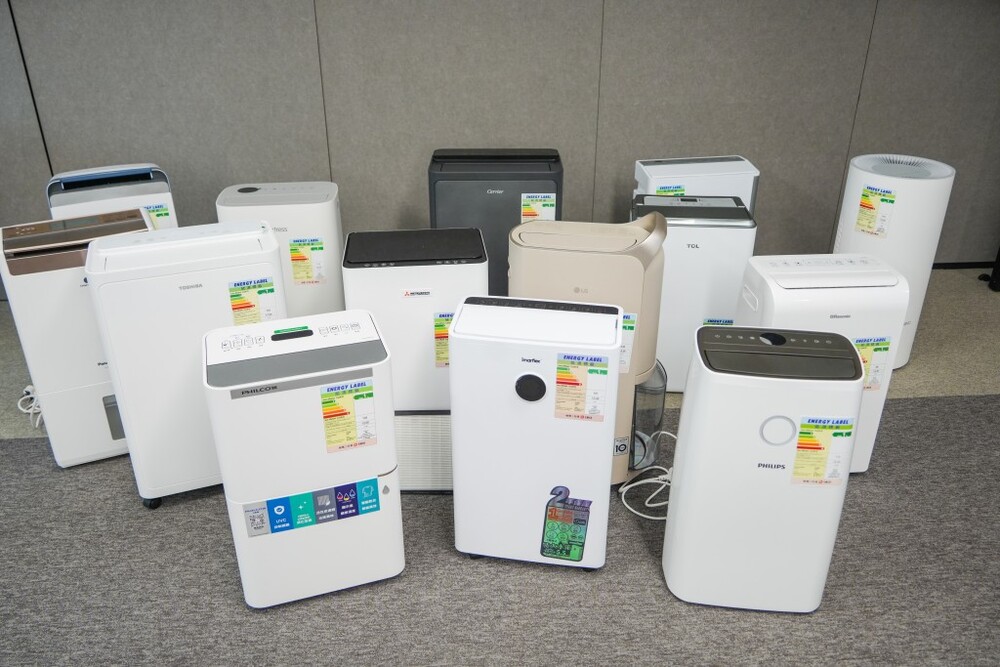
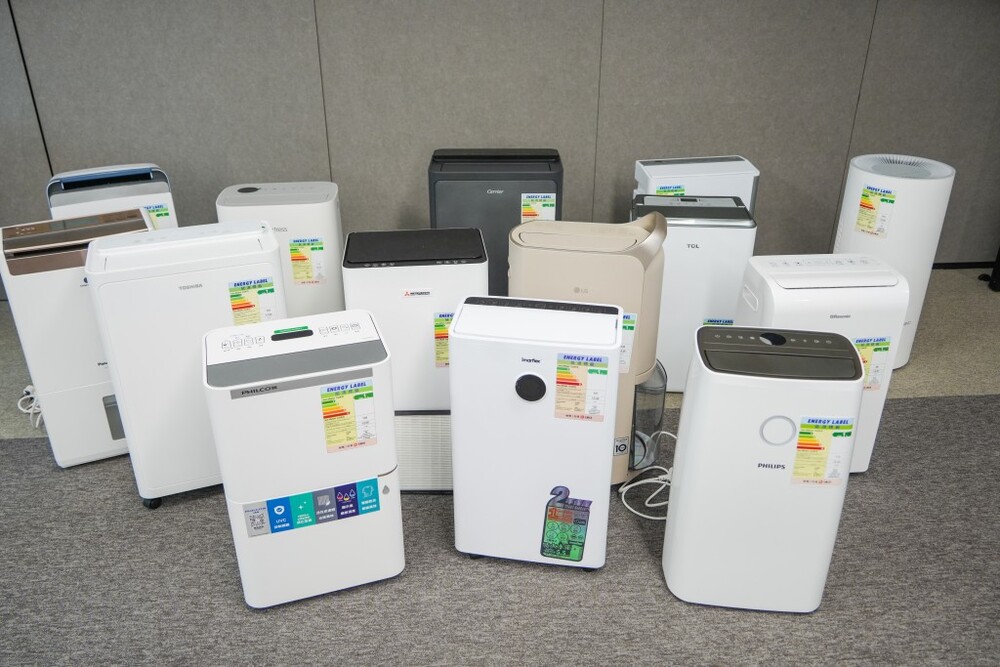
The Consumer Council warned residents that dehumidifiers may not be as energy saving and have less dehumidifying capacities as claimed, after testing 14 models of the common appliance in many Hong Kong households.
ADVERTISEMENT
SCROLL TO CONTINUE WITH CONTENT
All 14 models examined are compressor-style dehumidifiers displaying a Grade 1 energy efficiency label, the best under the government’s five-tier mandatory labeling scheme.
However, the council found that their performance in saving electricity varied widely, as the model with the highest energy efficiency was 50 percent better than the lowest one.
One model, from manufacturer Imarflex, was calculated to be only Grade 2 under the council’s own testing, though its discrepancy was still within the acceptable tolerance range under the labeling scheme.
The council also discovered that five models had a lower daily dehumidifying capacity than claimed under a standard test environment of 26.7 degrees Celsius and 60 percent relative humidity.
It pointed out that the manufacturers, however, tested their products under an environment of 30 degrees Celsius and 80 percent relative humidity, which is hotter and wetter than the standard one.
“The council once again urges manufacturers not to use dehumidifying capacity measured under the manufacturer’s test environment, which does not reflect real-life usage conditions in labelling and promoting their products,” the watchdog said.
Among the tested models, six are equipped with High Efficiency Particulate Air (HEPA) filters, which cost from HK$3,698 to HK$7,580. Two other models could have the same filters, the watchdog said.
The council found that the eight models showed huge discrepancies in how fast they purify air, specifically particulates like dust and smoke, and in reducing toxic formaldehyde concentration.
The fastest model in formaldehyde removal -- Panasonic -- was six times faster than the slowest one.
The watchdog reminded residents that HEPA filter-compatible models require regular replacement of the filters. In selecting such dehumidifiers, the future costs of replacing the filters should also be considered, it added.
(Jaime Liu)