Read More



Night Recap - May 22, 2026
10 hours ago







ImmD crackdown targets moonlighting domestic helpers arresting 17
19-05-2026 17:52 HKT

One dead, four injured in Jordan flat fire, 200 residents evacuated
22-05-2026 00:48 HKT


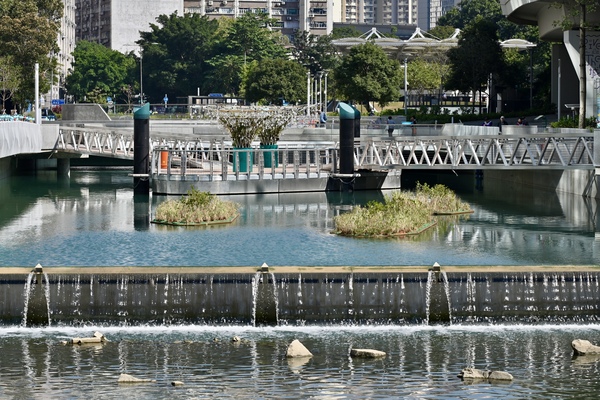
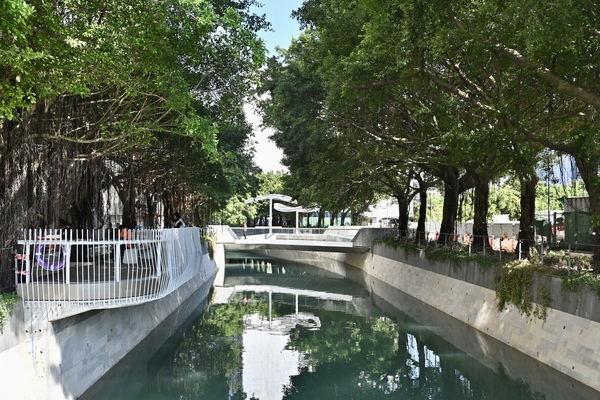
Tsui Ping River in Kwun Tong has been transformed into a vibrant public space that embodies a water-friendly culture, with the government aiming to establish it as a new green recreational landmark for Kowloon East residents, said Secretary for Development Bernadette Linn Hon-ho.
Once the polluted King Yip Street Nullah, the river was revitalized and opened to the public last month.
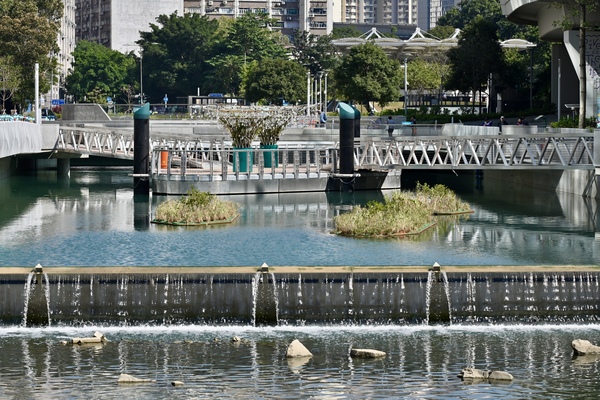
Visitors can now enjoy features such as a floating pontoon that adjusts with the tide and six cross-river walkways.
The river is also adorned with 75 illustrations of “Drainy,” the mascot of the Drainage Services Department, encouraging citizens to take photos.
In Linn’s blog entry on Sunday, she said the Tsui Ping River project marks the government’s “River in the City” initiative and aligns with its vision of transforming Kowloon East into a Green Core Business District.
Energizing Kowloon East Office senior works consolidation manager Cheng Wai-ho said that the revitalization aims to create a “green and vibrant urban artery.”
“We hope Tsui Ping River will become a landmark that attracts multinational companies, financial institutions, and startups while promoting a harmonious work-life balance,” Cheng said.
More than 50 Chinese banyan trees were planted along the riverbanks to establish a green corridor.
Bird perches, rock pools, and aquatic plants have also been introduced, with natural materials replacing sections of the concrete riverbed to support biodiversity.
To address flooding risks, the riverbed was deepened, and a smart water gate was installed.
This system, linked to the Hong Kong Observatory’s weather forecast network, adjusts water levels in real time based on tidal and rainfall data.
“When the river water flows downstream, a waterfall effect is created to ensure drainage capacity and enhance the waterscape,” said Antony Wan Nam-fung, senior engineer at DSD.
He added that the system also prevents the river from drying up, thereby reducing unpleasant odors.
(Charlotte Lam)