Read More








Morning Recap - September 21, 2026
9 hours ago





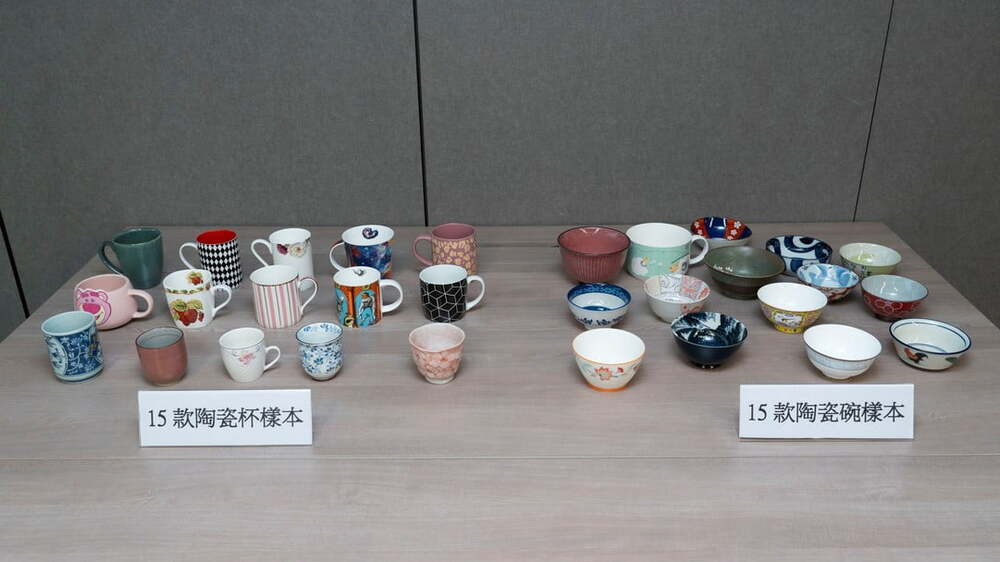
The Consumer Council has raised concerns about the safety of ceramic tableware after testing revealed that 40 percent of the samples contained trace amounts of heavy metals, including lead and cadmium.
The Consumer Council found that some of the tested ceramic tableware released trace amounts of lead and cadmium, but the levels detected did not exceed legal limits. Despite this compliance, the Council urges consumers to remain vigilant and recommends that manufacturers continuously improve production quality to ensure product safety.
The Council has recently conducted tests on 30 types of ceramic tableware commonly available in the market, including cups and bowls. These items were evaluated under normal usage conditions and when subjected to microwave heating.
The study revealed that approximately 11 models exhibited varying concentrations of lead on either the internal surface or the rim at room temperature, while four models released cadmium. However, it is important to note that the amounts of lead and cadmium detected were below the safety upper limits established by relevant international and mainland standards.
For the 13 models that were labeled as microwave-safe, the tests conducted under simulated high-temperature conditions showed no release of lead or cadmium, indicating an ideal outcome.
Despite compliance with legal limits, the Consumer Council advises consumers to remain vigilant. It recommends that manufacturers continuously review and improve their production processes and enhance quality monitoring to minimize the risk of heavy metal release and reduce health risks associated with the long-term use of these products.
Additionally, the consumer watchdog suggests a precautionary measure for consumers, such as soaking new ceramic tableware in vinegar for several hours before the first use.
If the vinegar changes color significantly, this could indicate a higher risk of lead or cadmium release, and discontinuing use should be considered.
Moreover, if the glazed surface is corroded or a powdery gray residue appears after cleaning, it is advised to discontinue using the tableware.