Read More

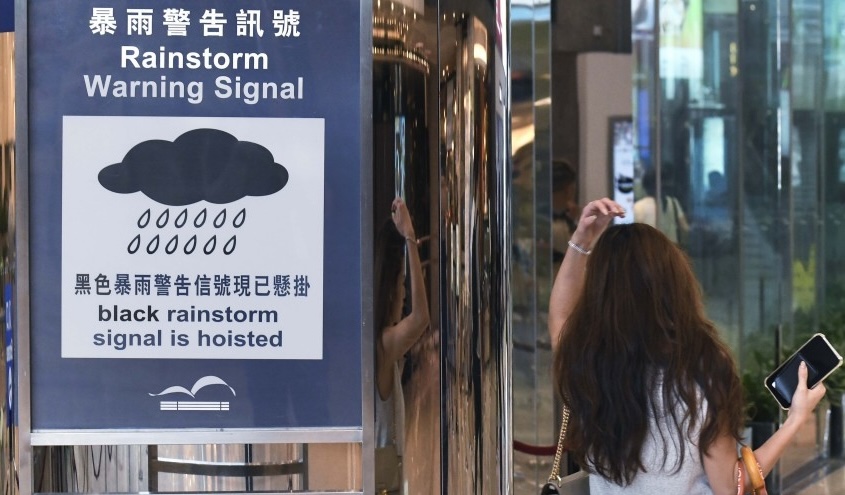
Black rainstorm warning in force as heavy rain disrupts schools and clinics
18-06-2026 13:28 HKT
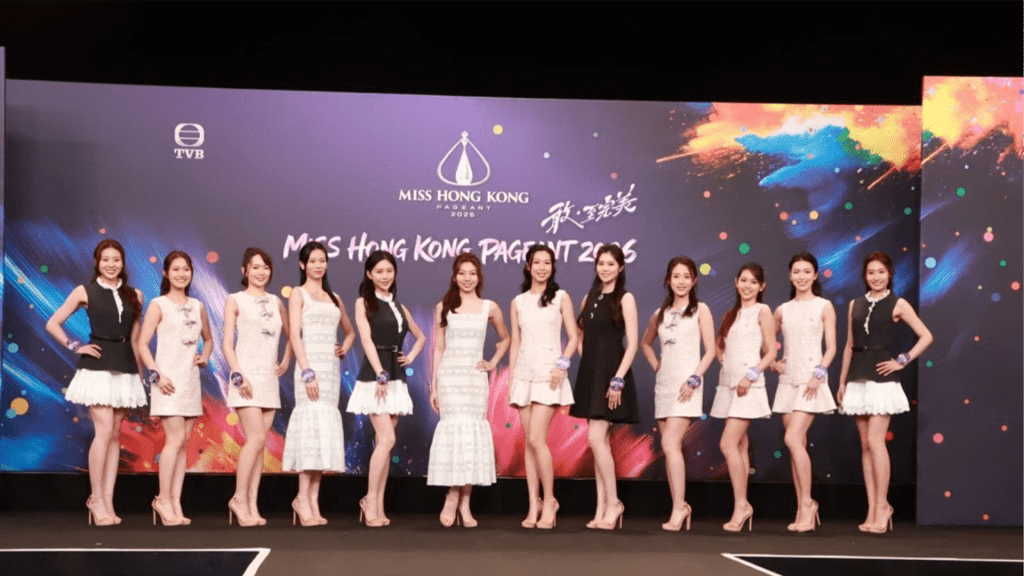
Miss Hong Kong unveils final 12 as early favorite withdraws
17-06-2026 20:05 HKT


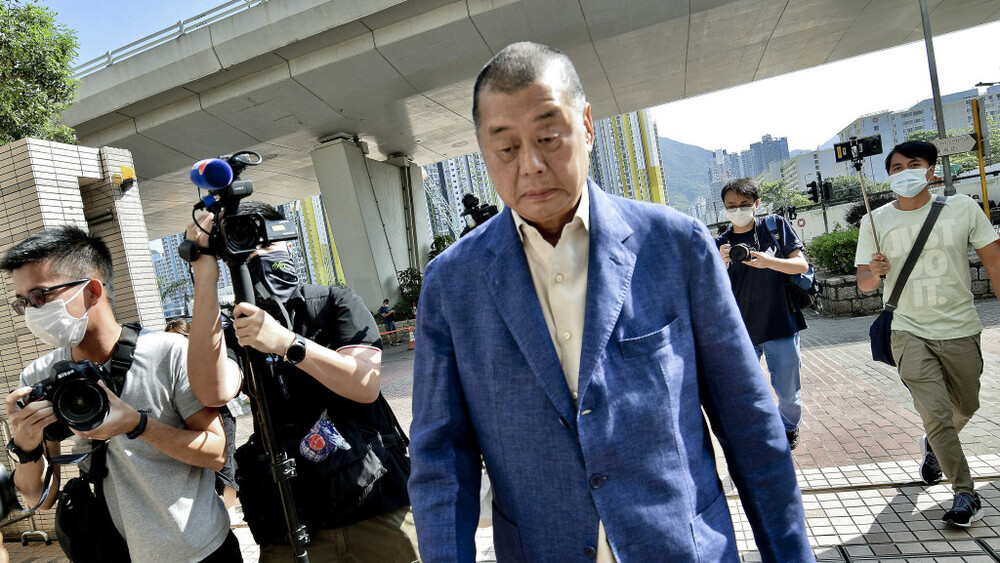
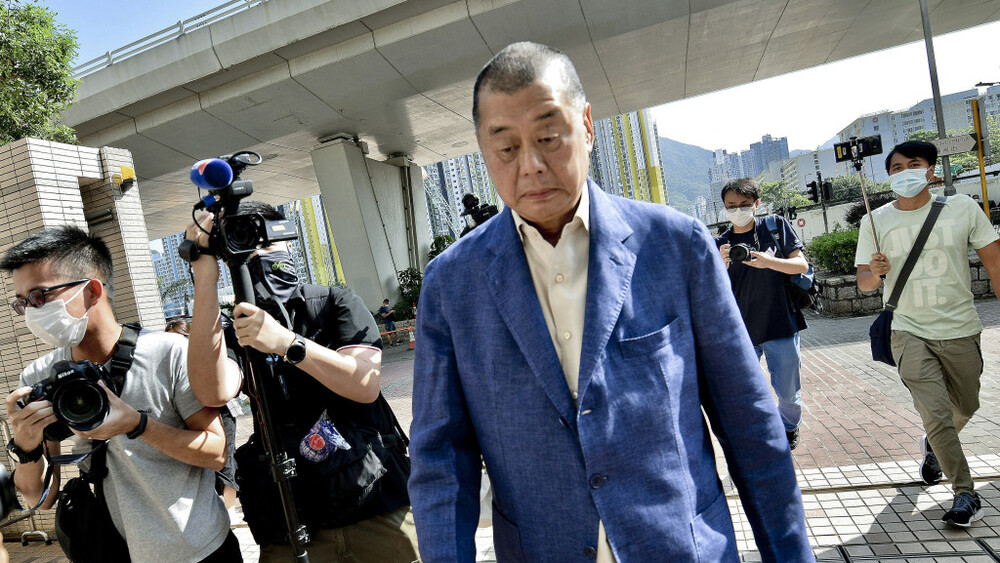
Jimmy Lai Chee-ying said he established the Taiwan edition of Apple Daily because China has always wanted to take back the self-ruled island, according to the interview footage played on Tuesday, the 88th day of the trial.
The trial resumed today after it was adjourned for one day yesterday because Lai felt unwell. The defense said his condition had improved.
The prosecution then played a YouTube interview of Lai on June 18, 2020, before he was arrested, in which he recalled his poor background and how he was touched by the city's freedom when he first arrived.
Lai said he founded Apple in 1995, and since China has always wanted to take back Taiwan, he decided to establish the Taiwan edition of Apple to exert his influence in Hong Kong's newspaper industry to prevent the Chinese government from suppressing the Hong Kong edition.
Lai added that he turned to Catholicism because of his wife and the former Bishop of Hong Kong, Cardinal Joseph Zen Ze-Kiun, baptized him. Lai also said he became friends with Zen because they were both willing to voice out for Hong Kong.
Lai also admitted to the host that he provided a large number of umbrellas to protesters during the Umbrella Movement in 2014 and said: "Yes, but we ended up failing."
Lai also believed that the rule of law in Hong Kong had been eroded and left without trust, and there would be significantly less trading, damaging the city's status as an international financial hub. He also mentioned that it was very likely he would be jailed but the term remained unclear.
He added that offenders of unlawful assembly are usually fined but he – arrested thrice during the anti-extradition bill movement as of June 2020 – was barred from leaving Hong Kong and had to follow stringent bail conditions before trial. This led him to believe that the authorities were overreacting.
Lai praised threats made by Donald Trump's government to sanction and punish China over the outbreak of Covid-19. Yet, he pointed out that the better way would have been to request that the Central Government granted Chinese people their freedom of speech.
Lai continued that if Chinese people had freedom of speech, the first whistleblower, doctor Li Wenliang, would have been able to spread his warnings on social media, alerting other countries to caution. Therefore, freedom of speech in China was an issue that affects international society and not just internal affairs.