Read More
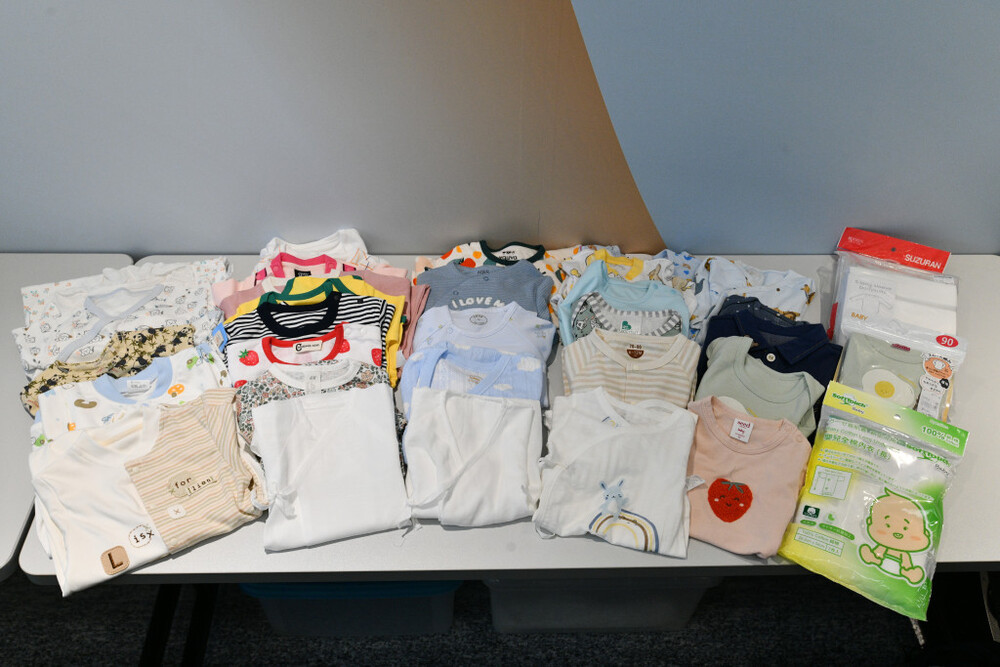
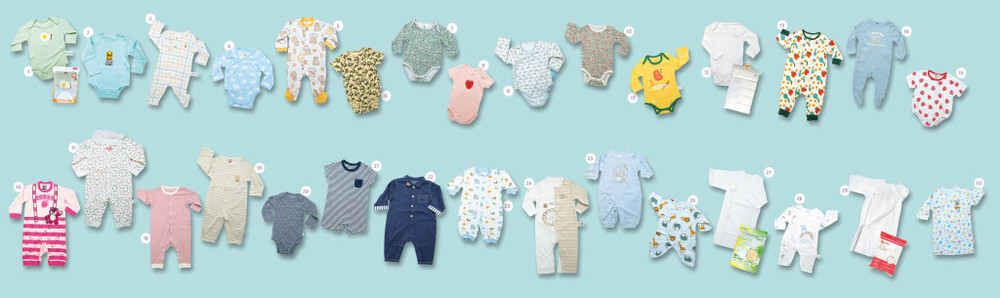
Hong Kong’s consumer watchdog tested 30 common models of baby and infant clothes and found that over half of them pose safety risks, which may lead to lacerations or strangulation of the little ones.
ADVERTISEMENT
SCROLL TO CONTINUE WITH CONTENT
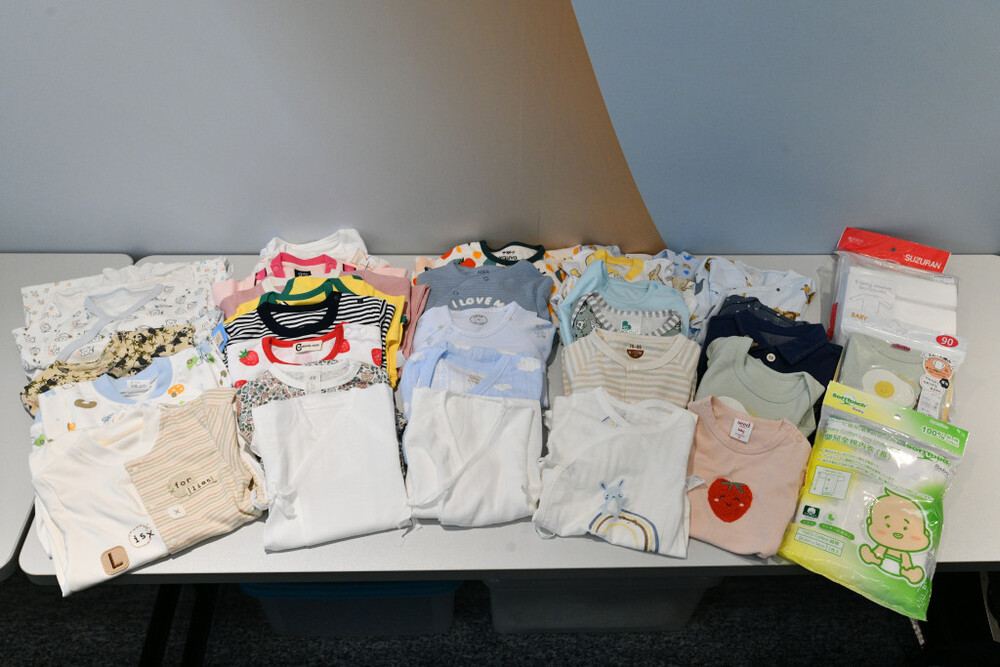
The Consumer Council purchased 30 pieces of clothing, claimed to be suitable for babies
and infants aged two or below, from baby and children’s clothing shops, chain stores,
and department stores. The clothes include bodysuits, rompers, and clothes with side
openings, also commonly known as “Kimono baby gowns” or “butterfly rompers”, with
an average price from HK$22 to HK$419 per piece.
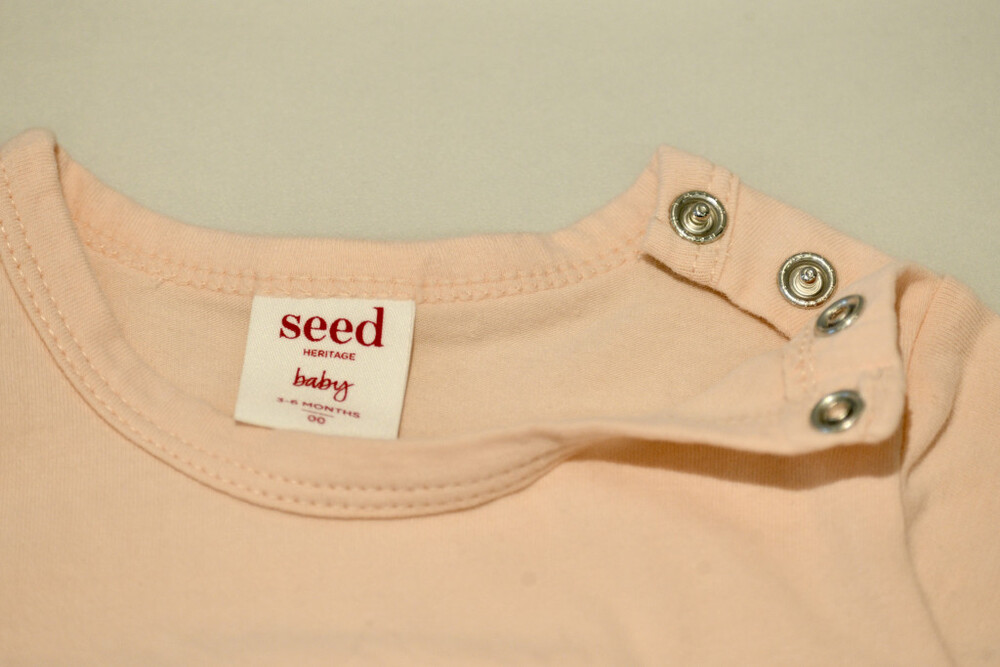
The watchdog said 11 of the models had snaps or buttons that detached during tension tests, which may lead to suffocation if swallowed. The cord design of five models also did not comply with the European Standard, posing a risk of strangulation.
Meanwhile, one model was also found to have a free formaldehyde level exceeding 50 percent of the upper limit specified in the Mainland Standard, which may cause skin irritation in babies and infants, and in serious cases, allergic contact dermatitis.
Under the tension test, the clothes were put to the test by applying a tensile force of 90N (newtons) to various attached components of the clothing models and holding for 10 seconds.
The test found that the buttons or snaps of 11 models were detached and produced small parts, which failed to comply with the requirements of the European Standard for toy safety.
Among them, four models - “balabala,“ “KOMA LAND,” “natures purest,” and “AMOR” - had detached buttons or snaps at a tensile force of less than 70N.
In addition, sharp points were found on detached snaps of 3 models “LASSIG,” “UNIQLO,” and “AMOR,” posing a risk of scratching the skin, the council noted.
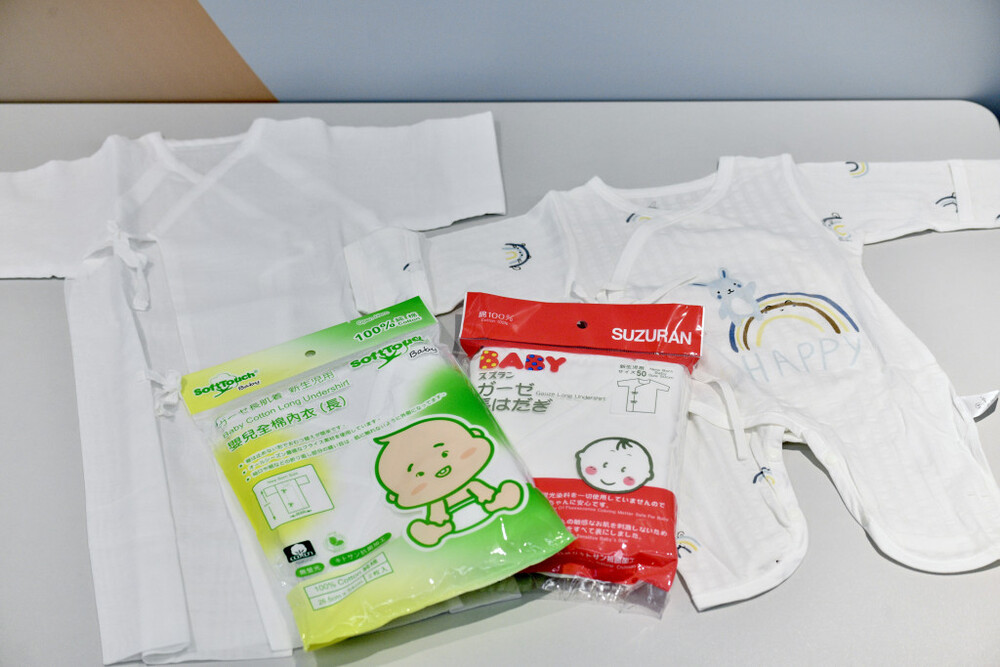
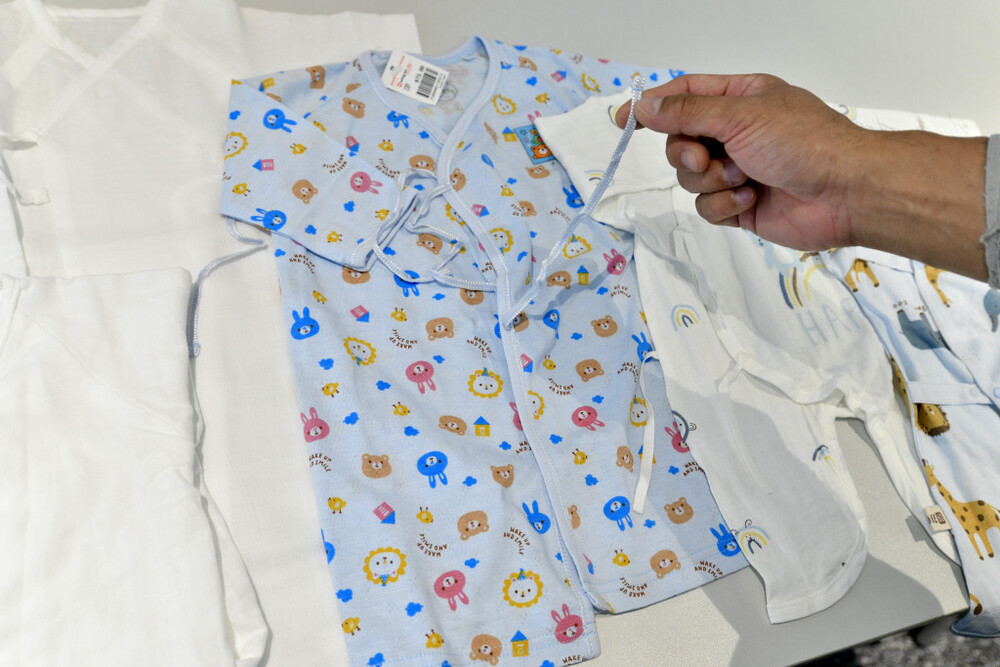
The watchdog also noted that they found all cords of “Kimono Baby Gown” or “Butterfly Rompers” models substandard.
According to the European safety standard EN14682, clothing suitable for children under seven years of age should not have any cords or drawstrings around the head, neck or upper chest area.
It said one model even had a cord between the chest and the waist with a length of 20cm, which exceeds the maximum limit by 6cm.
In view of the test results, the Council reminded consumers to avoid buying clothes that are prone to small parts falling off and should check regularly whether buttons, zips or other accessories are firmly attached and free from sharp points or edges, and whether seams have become loose.
Consumers should also avoid buying clothes with decorative items such as cords or drawstrings that are too long which may pose strangulation hazards, it added.