Read More
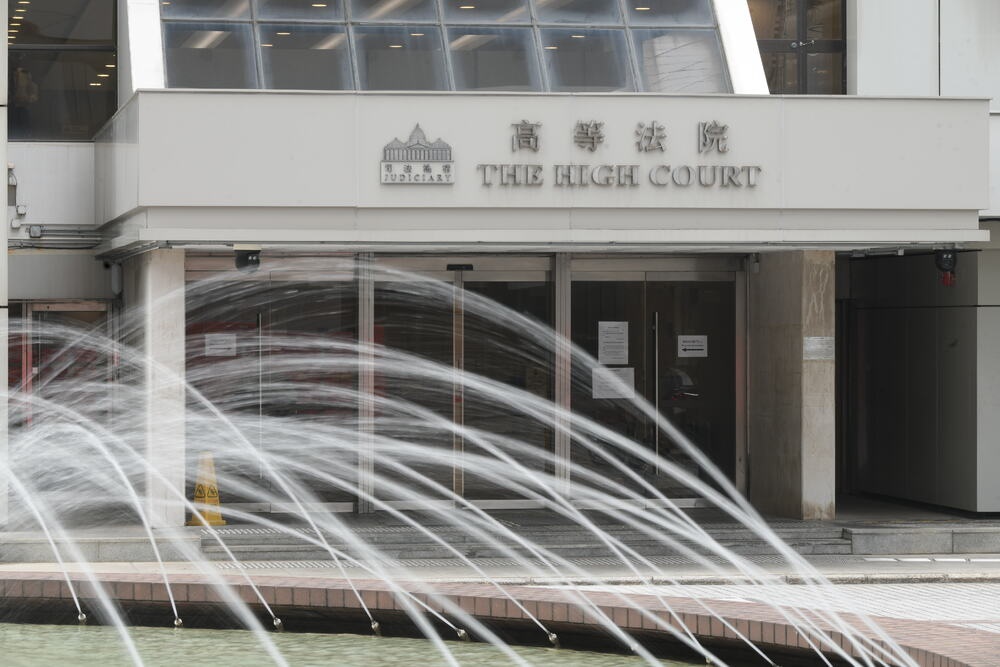
The Court of Appeal ruled in favor of the government's appeal over the ban of "Glory to Hong Kong," which emerged as a protest anthem during the 2019 demonstrations, on Wednesday and granted an interim injunction to stop a range of acts including broadcasting and performing the song "with criminal intent."
ADVERTISEMENT
SCROLL TO CONTINUE WITH CONTENT
Reversing a lower court's decision last June, appeal judge Jeremy Poon Shiu-chor wrote in a judgment that the composer of the song had "intended it to be a 'weapon' and so it had become."
"It had been used as an impetus to propel the violent protests plaguing Hong Kong since 2019. It is powerful in arousing emotions among certain fractions of the society," he said, adding that the song "has the effect of justifying and even romanticizing" the protests.
Apart from prohibiting the broadcasts and performances, the song can no longer be disseminated or reproduced in any way on internet-based platforms, though the injunction contained exceptions for "academic activity and news activity"- a tweak the government made after earlier questioning by judges.
"Civil injunction is needed as "criminal law alone would not achieve the public interest purpose of safeguarding national security", Poon said.
The judgment also wrote that the injunction order was "necessary" because internet platform operators -- such as Google -- "indicated that they are ready to accede to the Government's request if there is a court order".
The song would be the first to be banned since Hong Kong was handed back to China in 1997.
Soon after the judgment was handed down, Beijing authorities said the ban was a "necessary measure".
"Stopping anyone from employing or disseminating the relevant song... is a legitimate and necessary measure by (Hong Kong) to fulfil its responsibility of safeguarding national security," foreign ministry spokesman Lin Jian said Wednesday during a regular briefing.
Penned anonymously, "Glory to Hong Kong" includes the slogan "Liberate Hong Kong, revolution of our times", and it has been all but illegal to sing or play it since authorities crushed the protests and Beijing imposed a national security law quelling dissent in 2020.
The song has remained a thorn in the side of authorities as it has been mistakenly played as the city's official anthem, particularly at international sporting events.
Officials requested an injunction to ban the song in 2023 but were refused by the High Court in a surprise ruling, which said it could have a "chilling effect" on innocent third parties. The government appealed, kicking the request up to the Court of Appeal.
Representing the government during an appeal hearing in December, lawyer Benjamin Yu argued that the song was akin to "misinformation and propaganda".
"The song is regarded by the composer himself as a weapon," Yu told the court at the time. He added that the song was still "prevalent" and "remains highly effective in arousing emotions of the public".
Judges in December questioned during the hearing how the government's proposed order would affect internet service providers -- mirroring concerns raised internationally about the free flow of information in Hong Kong.
Officials had demanded internet giants including Google to remove the protest song from their search results and video platforms, but were largely rebuffed.
Hong Kong's technology minister had said the injunction was partly meant to convince Google to delist "Glory to Hong Kong" from internet search results.
Hong Kong does not have its own anthem, and uses China's "March of the Volunteers".
The song has once again entered the Top 10 chart on Apple iTunes in Hong Kong on Wednesday, ranking 6 and 8 as of 5 pm.
(Staff reporter, AFP, Reuters and AP)
(Updated at 5.02 pm)
Read more: Open internet 'fundamental' to HK: group of global tech firms
File photo