Read More
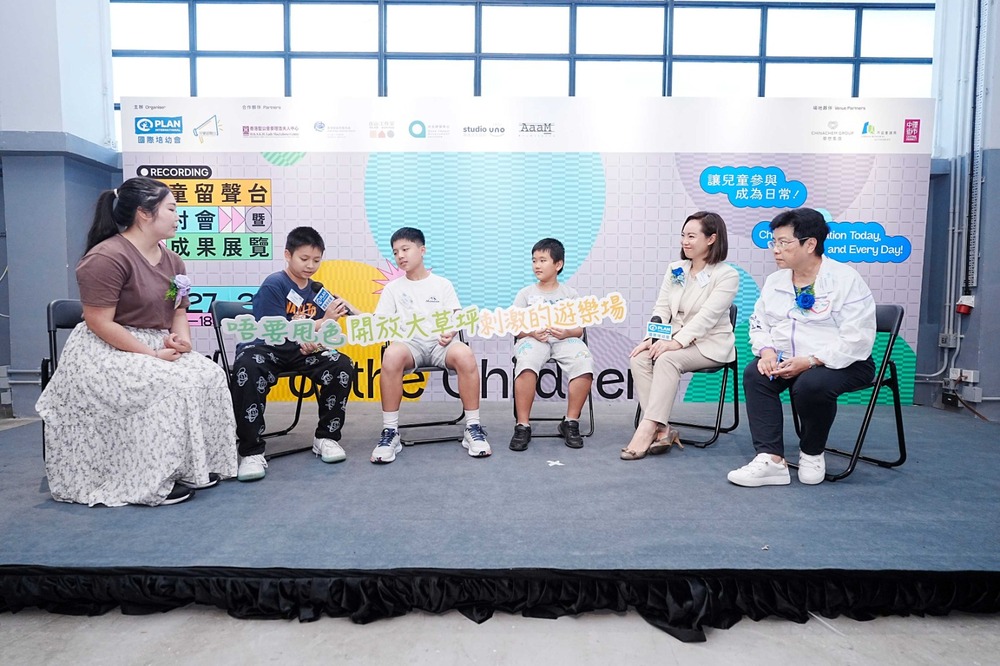
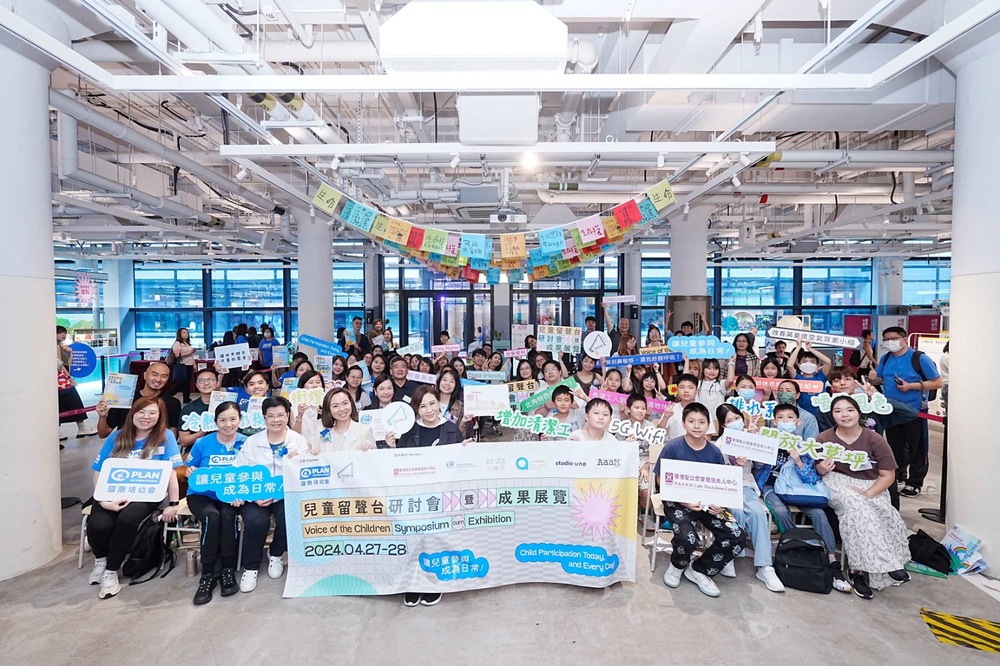
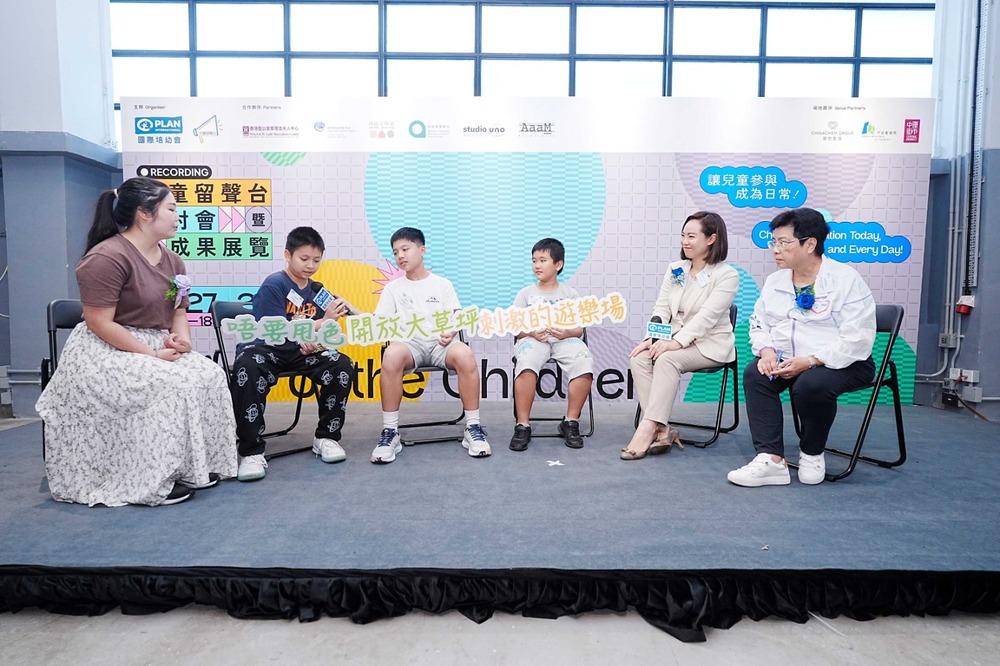
Plan International Hong Kong (PIHK) released the findings of "Hong Kong's First Longitudinal Study Research on Child Participation" on Saturday, which illustrated the crucial elements of implementing a localized Child Participatory model.
ADVERTISEMENT
SCROLL TO CONTINUE WITH CONTENT
According to the United Nations Convention on the Rights of the Child, a child's right to participation is one of the basic rights and every child is free to express his or her views in all matters affecting them.
PIHK has commissioned the Good Impact Assessment Institute to carry out a monitoring and evaluation study on the "Child Participatory Community Development Program" by performing 40 observations, and 32 groups and 3 in-depth individual interviews with 65 interviewees across 18 months.
The research said value, process, and environment were among the crucial elements of an effective child participation project.
The child-centered project has to focus on enhancing social cohesiveness, PIHK said, and it should be process-oriented that strives to consolidate child-centered fulfillment.
Partnering organizations should construct a supportive and inclusive environment so that every participant feels respected and accepted to enjoy the pleasure of joining the project.
PIHK said children's confidence, expressiveness, and self-autonomy were enhanced since they could engage in in-depth discussions and complete various tasks independently.
It added that the discussion and decision-making process will also nurture their sense of responsibility.
PIHK said it will continue advocating to the government for a channel that allows an even greater extent of child participation so that children can voice their opinions and participate in policy-making on the social issues that are close to them.
"We hope that child participation can be carried out every day in organizations, schools, families and communities," it said. "Adults should value children's opinions and respect their rights to participation."