Read More
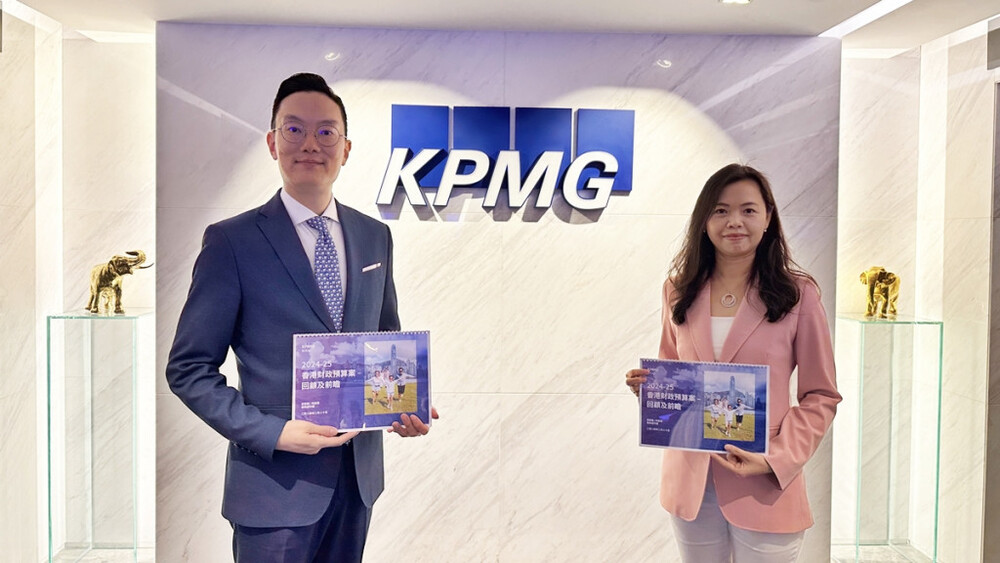
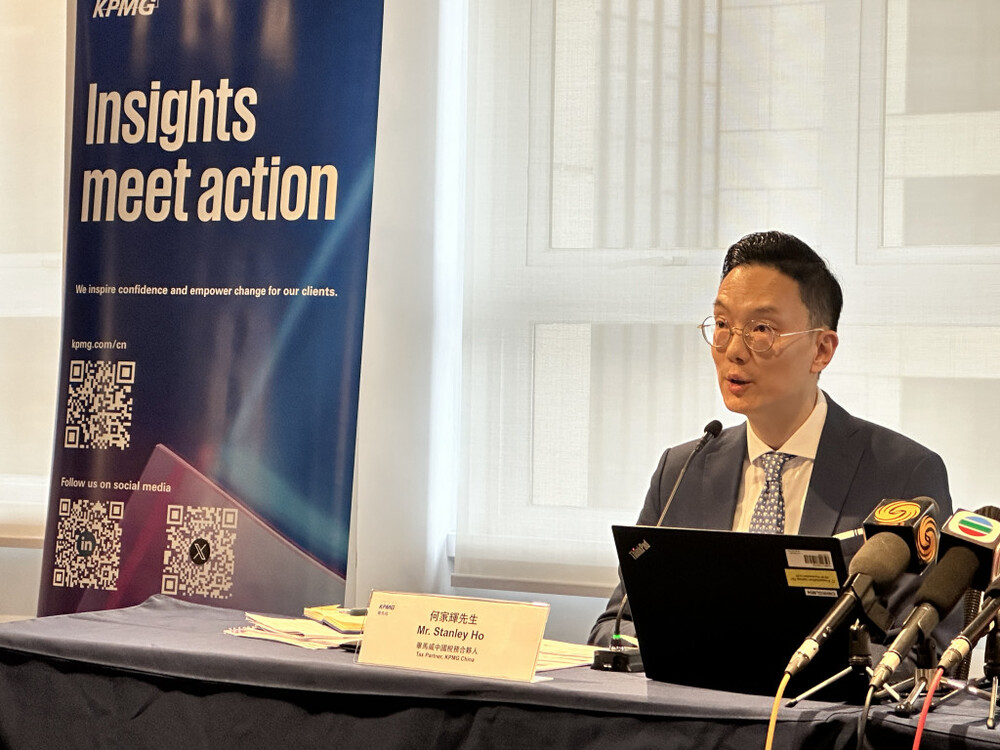
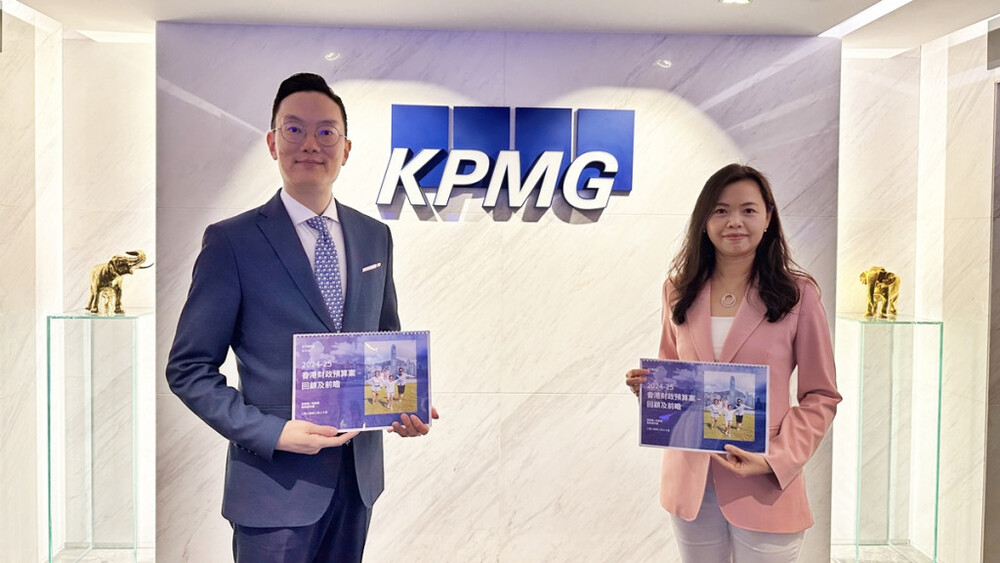
Hong Kong is expected to post a HK$130 billion deficit in 2023/24 and should roll out more measures to maintain its status of an international financial hub, according to Big Four accounting firm KPMG.
ADVERTISEMENT
SCROLL TO CONTINUE WITH CONTENT
Suggestions by the firm include encouraging overseas enterprises to set up a regional headquarters in Hong Kong, offering a 50 percent discount on the normal tax rates for those companies’ qualifying profits, scrapping all “spicy measures” on the property market and setting up a dedicated tax policy unit.
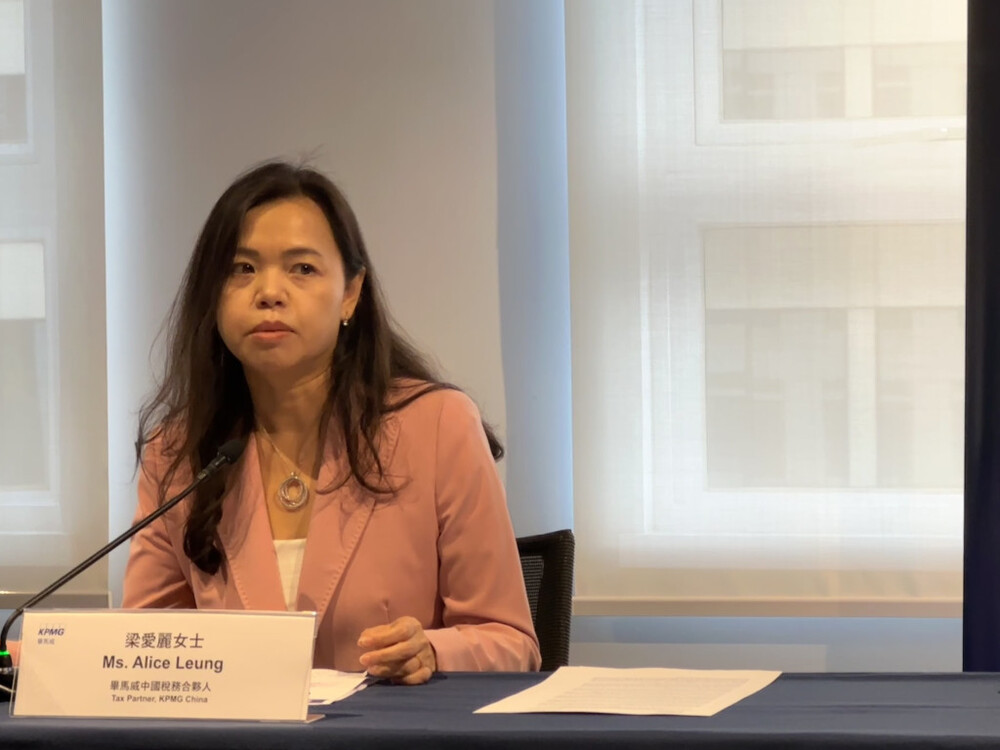
Alice Leung Oi-lai, tax partner at KPMG China, estimated the government generated about HK$37 billion in revenue from the sale of three land plots, far lower than the authorities’ expectation of HK$85 billion.
As for revenue from stamp duty, KPMG believed the actual number would be even less than the HK$85 billion the authorities expected, despite the earlier tune down from HK$113 billion.
The firm recommended the government introduces special tax loss arrangements – which allow companies to carry forward tax losses to offset against future taxable profits – to encourage investments into start-up ventures and research & development projects.
Another recommendation was that keynote enterprises can reward workers with shares of the company and exempt salary taxes in order to attract and retain talent, complimented by the government’s cancellation of the “spicy measures”.
In supporting local companies and livelihood, the firm proposed increasing child allowance on tax reduction and offering reduction allowances for eligible households that hire domestic helpers.
KPMG also proposed providing a HK$50,000 allowance to working parents who are raising children aged 16 or below or to citizens whose grandparents are caring for disabled dependents.
The firm believes Hong Kong’s finance is still healthy with about HK$705 billion in reserve estimated by late March.
Still, KPMG’s head of tax in Hong Kong John Timpany reminded the government to spend the reserve strategically to enhance the SAR’s competitiveness and seize future development opportunities.