Read More






Night Recap - May 26, 2026
8 hours ago


Jasmine Ling
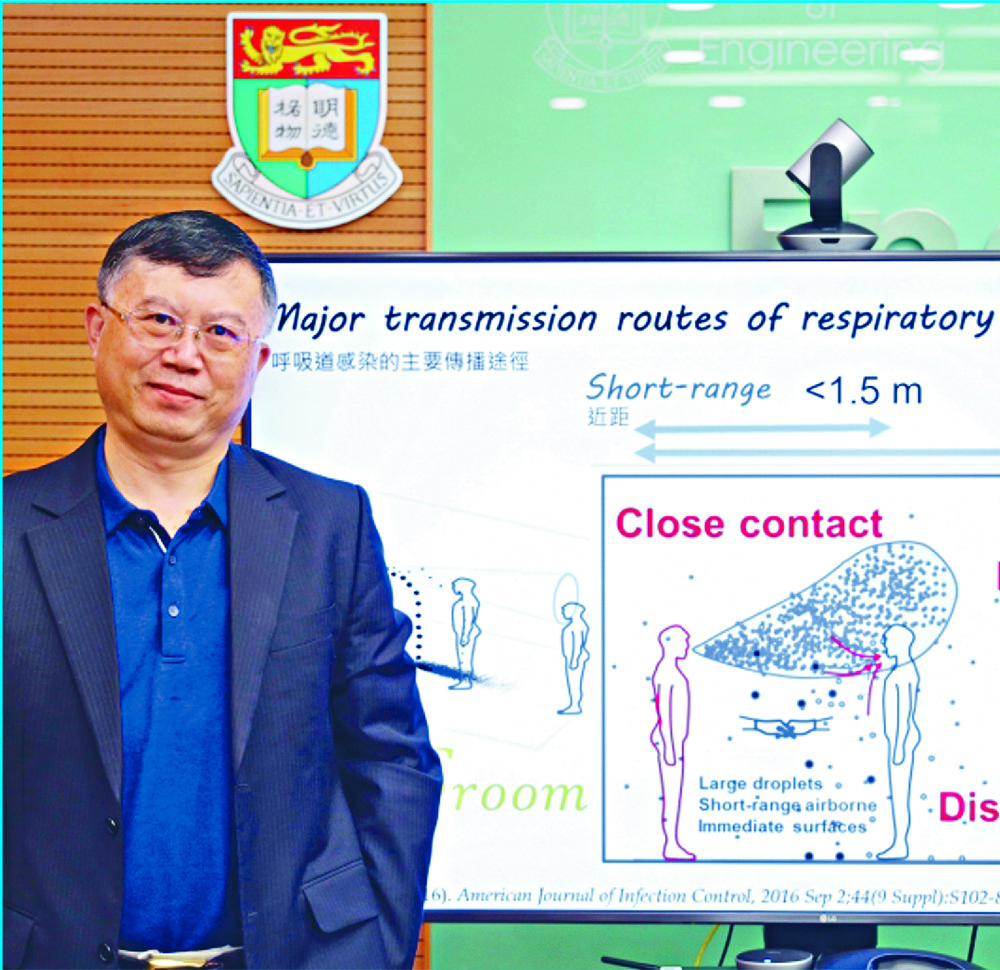
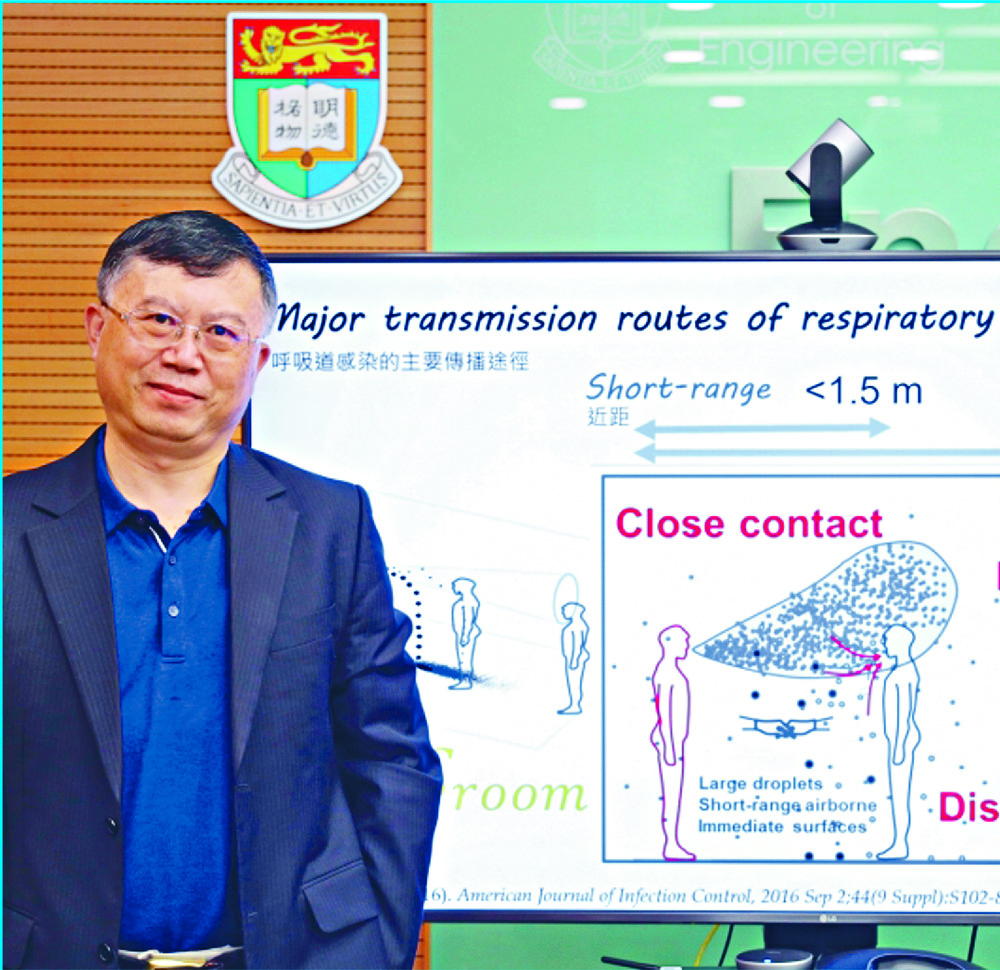
Widespread airborne transmission of Covid-19 is possible in poorly ventilated areas where wearing masks might not prevent infection, a study shows.
A University of Hong Kong team led by Li Yuguo, chair professor of building environment in the Department of Mechanical Engineering, found that people carrying the virus could spread it up to 9.5 meters in indoor areas with poor ventilation.
For the virus is opportunistic, so airborne transmission of 1.5 meters could be extended considerably in such areas.
An area providing less than three liters of air for each person per second would be considered to have insufficient ventilation.
The Li team, in collaboration with the Guangdong and Hunan Centers for Disease Control and Prevention, studied transmissions in three settings from January to March. They covered a restaurant, buses and a cruise ship.
In a case where nine members of three families at separate tables in a Guangzhou restaurant were infected by a person, one contracted the virus while sitting 4.6 meters from the carrier.
The researchers found the ventilation rate there to be one liter per second.
An infected passenger who rode on two buses in Hunan spread the virus to seven others on the first bus and two on the second. And one person who contracted the virus sat 9.5m from the index patient.
The airflow rates on the buses were 1.7 and 3.2 liters respectively.
Li noted the second bus had better ventilation so the infection rate was lower.
He said opportunistic transmission could mean super-spreading events, so he suggested a ventilation rate of eight to 10 liters per second per person in areas such as restaurants, public transport and offices.
To test a location's ventilation, Li recommended installing carbon dioxide sensors, and a concentration of more than 1,000 parts per million could mean trouble.
He believes masks may not be adequate to protect people from airborne transmission completely.
"But it is lucky that airborne does not mean a wide spread at the moment - not at the same magnitude [as] SARS in 2003."
And he urged people not to stay indoors in poor ventilation.
"One simple criterion for insufficient ventilation is that you can smell others' breath even from a distance," he said.
jasmine.ling@singtaonewscorp.comcom