Read More



Night Recap - May 22, 2026
7 hours ago




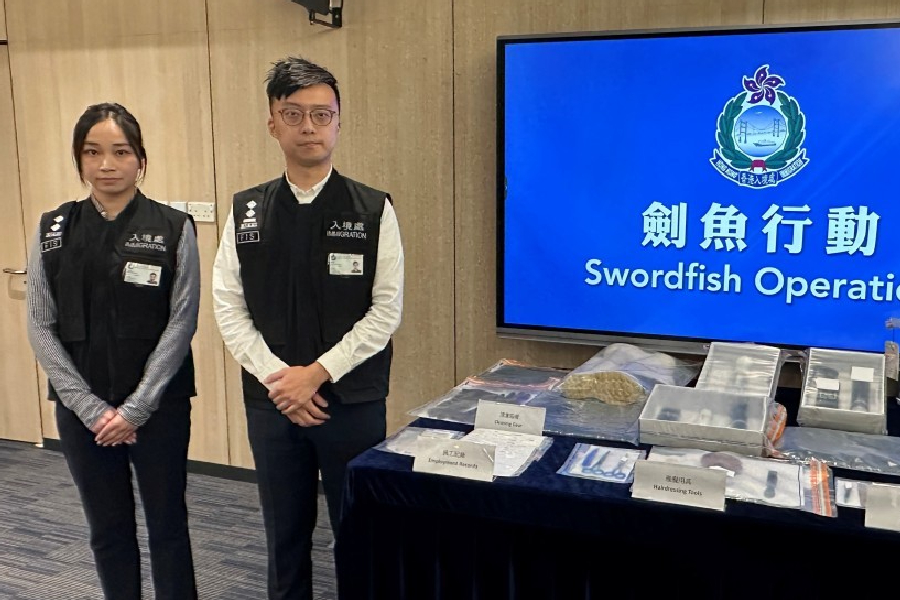
ImmD crackdown targets moonlighting domestic helpers arresting 17
19-05-2026 17:52 HKT

One dead, four injured in Jordan flat fire, 200 residents evacuated
22-05-2026 00:48 HKT


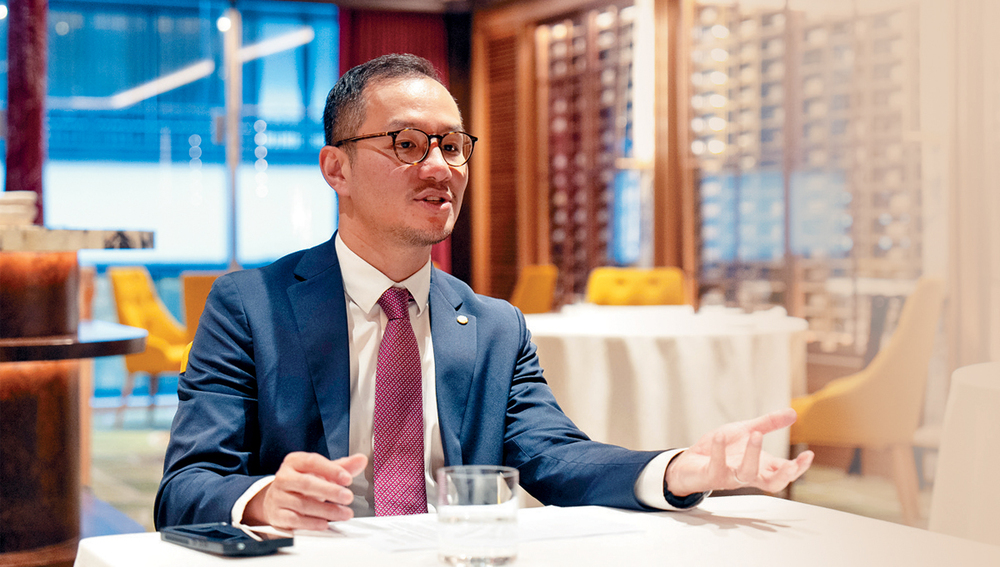
Benefiting from the full resumption of cross-border travel between mainland China and Hong Kong, a number of Hong Kong insurers have obtained excellent results. Among these insurers, Sun Life Hong Kong recorded a 1.55-fold increase in its Annual Premium Equivalent (APE) in the first half of this year, in which the growth in onshore APE reached 83%, outperforming the 10% general market growth rate. It is expected that the growth will continue into the second half of the year.
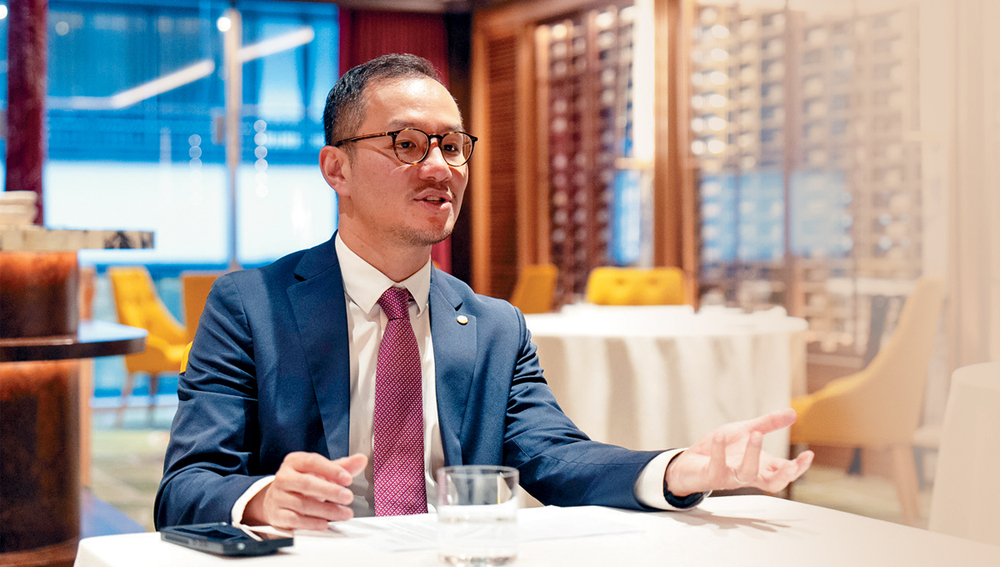
Describing their outstanding result as “an explosive growth”, Clement Lam, Chief Executive Officer of Sun Life Hong Kong, points out that their new APE in the second quarter alone surged four times year-on-year. He also predicts that the mainland visitor segment is expected to increase from 23% to 30% within this year, with a prospect to grow into 50% in the future. Despite the good news from the mainland segment, the Group emphasises that Hong Kong remains an important base for its business.
According to the latest figures from the Insurance Authority, the premiums for whole life protection plans contributed by mainland visitors in the new segment have increased to HKD25.6 billion in the first half of this year, representing a 80-fold year-on-year growth. The Insurance Authority once explained that the increase could be attributed to the reopening of borders which released the pent-up demand over a long period of restrictions. Previous media reports have showed that a great number of mainland tourists came to Hong Kong to purchase insurances during the Labour Day Golden Week. In May, insurance applications from mainland tourists in some banks and insurers exceeded those of the pandemic period. The insurance sector also expects that China’s National Day Golden Week holidays will mark another peak demand period.
Border reopening highlights Hong Kong’s competitive advantage
With regard to the strong performance of the mainland visitor segment, Clement Lam believes that apart from border reopening, the variety of Hong Kong’s insurance products also helps stimulate sales. “Hong Kong insurance products enjoy comparative advantages such as multiple currency options, available international fund options and transparency,” he notes. Mainland visitors are increasingly interested in Hong Kong’s critical illness, high-end medical and endowment plans. According to the figures from the Insurance Authority, among the gross policy premiums contributed by mainland visitors in the first half of the year, whole life still accounted for as much as 80%, while endowment accounted for 10.7% with much room for growth.
Clement Lam observes that since the border reopening, mainland customers’ demand for Hong Kong insurance products has steadily recovered. Sun Life’s APE in the second quarter of this year has caught up with pre-pandemic levels. In the first half of the year, the mainland visitor segment accounted for 13% of Sun Life’s AFYP of new businesses, which has largely caught up with pre-pandemic levels.
Hong Kong is subject to a high-interest-rate environment, while the mainland is reducing its interest rates, thereby accentuating Hong Kong’s competitive advantage. Clement Lam explains that although the high interest rate may reduce customers’ desire to purchase endowment plans, the increase in income from investment bonds has made it easier for insurers to design protection plans such as whole life protection and critical illness, and the average premiums of the same product can be 20% to 30% lower than the previous year, which will help attract new business. He also expects that more mainland visitors will be interested to apply for insurances after the launch of ‘Insurance Connect’.
Emphasis on Hong Kong as an important base
With the steady growth of the mainland visitor segment, Clement Lam emphasises that “the local Hong Kong market remains our base” and previews that the Group will promote three new endowment and whole life protection plans in the second half of the year, which are specially designed to meet the needs of the locals, such as elderly insurance which responds to the aging population. The entry age is as high as 74 years old, and the plan comprises Severe Dementia Accelerated Benefit. “How to think more and do more to prepare for retirement remains an important issue in the industry,” he stresses.
In order to further expand the sales network, Sun Life Hong Kong announced a collaboration with Dah Sing Bank a few months ago, which Clement Lam describes as “a collaboration between two traditional brands in Hong Kong”. They have also launched a paperless sales platform to streamline bancassurance procedures. In other sales channels, the APE of brokers and agents recorded a quarterly growth of nearly 300% and 29% respectively. Clement Lam hopes that the three major sales channels mentioned above will continue to support their business growth and make equal contributions to the Group’s revenue.
While some observers say that the slower-than-expected economic recovery could harbour hidden concerns for the insurance sector, Clement Lam believes that with the concerted efforts of Government and the private sector in stimulating economic growth, such as promotion of night-time economy, business will pick up pace for the better. With the expansion plan of the agency channel, for Sun Life Hong Kong’s local customer business, the APE in the second quarter of this year recorded an increase of nearly 30% quarter-to-quarter, outperforming the industry average of 16%. He believes that the growth will continue into the second half of the year.
ESG investments do not translate to sacrificing returns
Hong Kong Financial Services Development Council published its first green finance research report in 2016, actively promoting Hong Kong as an ESG investment hub. In this connection, Sun Life Hong Kong has launched ESG-related funds since 2020 and launched its first ESG savings product in 2022. The ESG investing-focused products have registered a strong performance, with the total sales reaching HKD900 million, accounting for more than 70% of the overall sales.
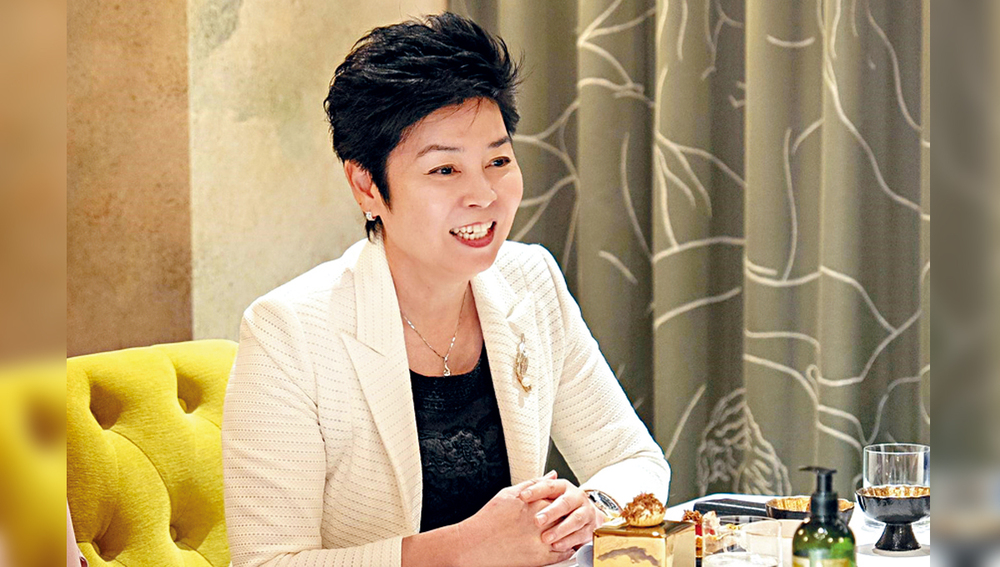
Rainbow Pan, General Manager, Wealth and Pensions of Sun Life Hong Kong, says that Sun Life Hong Kong launched its first ESG MPF fund in June this year, confirming sustainable development, ESG and low carbon as important future global trends. Sustainable development-related corporates and markets together represent an investment market that cannot be neglected.
“Supporting sustainable development or low carbon does not imply the need to sacrifice returns,” she emphasizes. “According to an analysis by Sun Life Asset Management, the return of the FTSE ESG Low Carbon Select Index was 54% in the past five years, while the return rate of indices without ESG and low carbon components reached 50%. The former is seen with a stronger return rate of 4%.”
She reveals that the ESG MPF fund has successfully attracted approximately HKD200 million in capital inflows within two months. Meanwhile, Sun Life Hong Kong has set a goal to invest USD20 million new funds globally in assets and businesses which support the transition to a low-carbon and inclusive economy during the period between 2021 and 2025.