Read More





UK denies BN(O) visas to Hongkongers with protest convictions: report
23-09-2026 18:59 HKT
Hong Kong relaxes eligibility for HZMB Seamless e-Channel service
24-09-2026 20:01 HKT


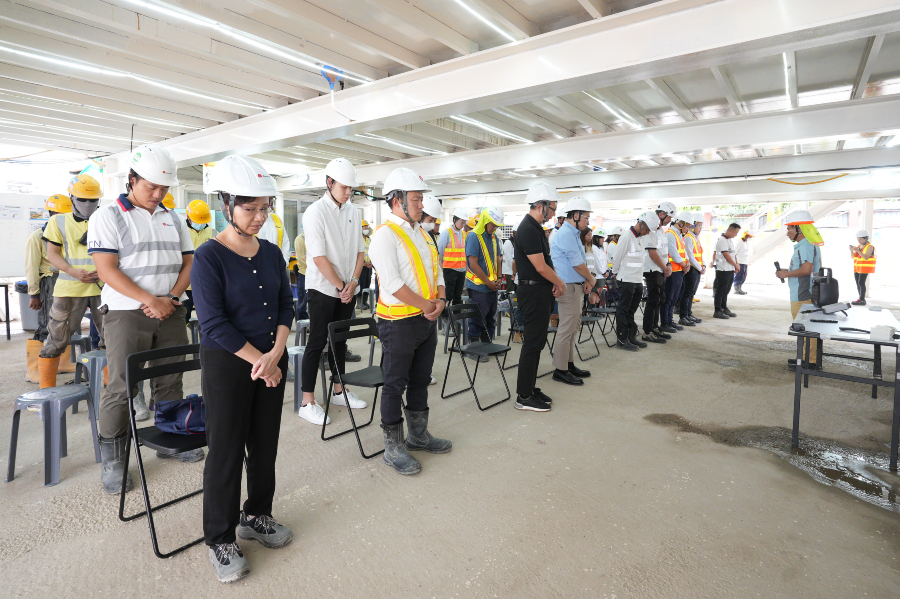
In view of the recent spate of industrial accidents, the Construction Industry Council (CIC) recently organized a timely face-to-face safety reflection event, ‘Stand Down Day’, to help raise safety awareness in the construction industry, and drive home the message of ‘Life First’ for practitioners, from managers to frontline workers.
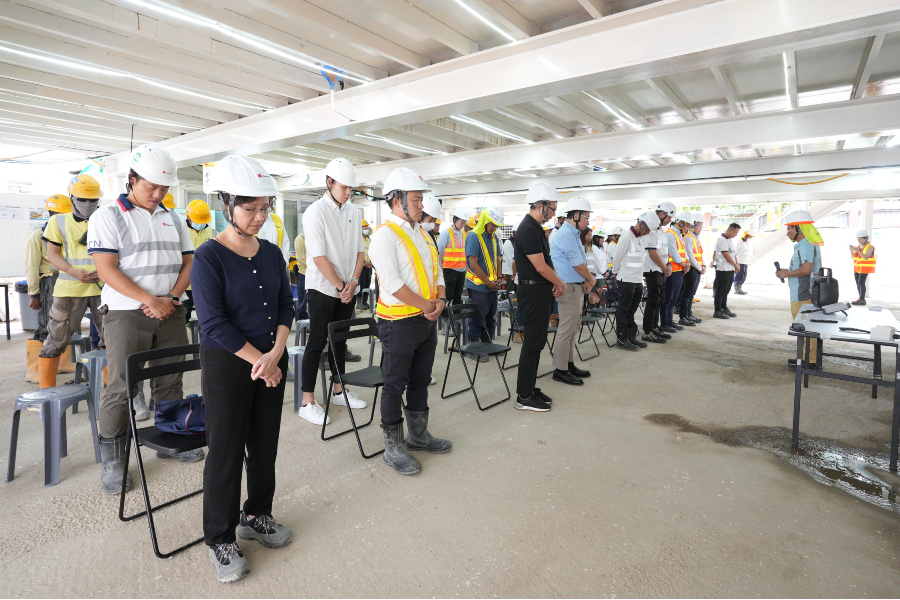
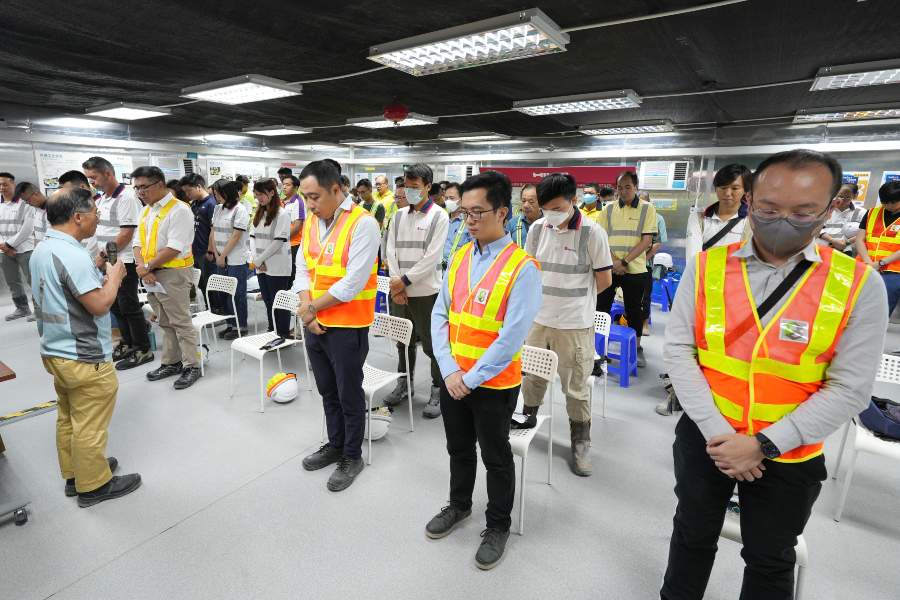
With the industrial accidents, including three fatal ones occurring on the same day, these statistics sounded the alarm for the construction industry. In organizing a ‘Stand Down Day’ on August 24, CIC, visited two construction sites at Ho Man Tin and Kai Tak for an on-site safety inspection to review possible hazards and feasible measures to prevent accidents from happening.
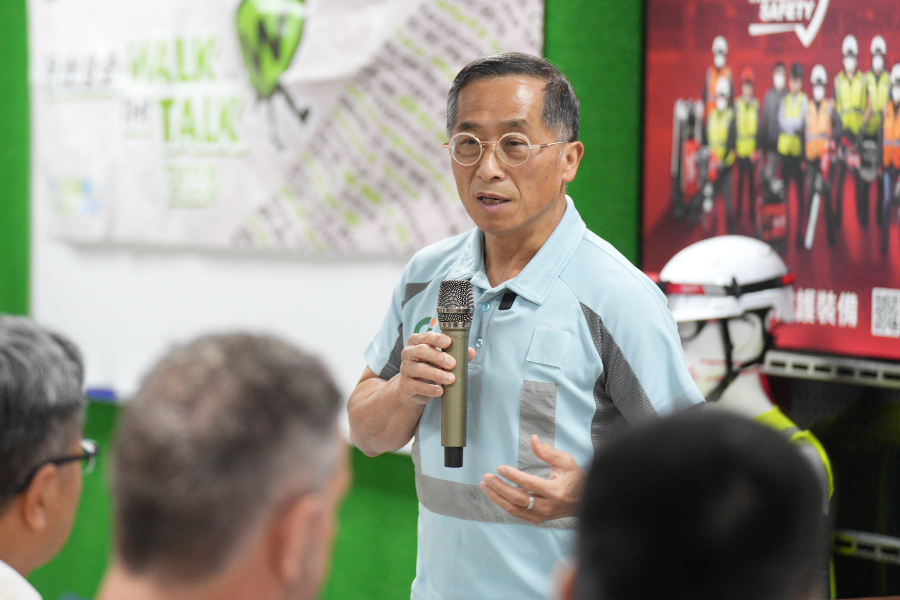
At the start of the event, CIC chairman Ir Thomas Ho led a moment of silence in tribute to the workers who had passed away in recent accidents. “The biggest risks on construction sites have always been people’s attitude and safety culture,” Ho observed. “We’ve noted of late that accidents had started to appear at sites of even well-established construction contractors which had hitherto had a good safety record; and public works projects have accounted for more than half of recent accidents.”
Ho pointed out that between 70 to 80 percent of accidents are the result of neglect of safety management and lack of operation standardization. A prime requirement, Ho emphasized, is to complete a Dynamic Risk Assessment prior to project commencement, and then ensure contractors and frontline workers are fully briefed on the risks and abide by safety measures every step of the way. Hazards are recognized on the spot and removed before work commencement.
Ho warned that whenever a plan is altered, construction work must be halted before a new Dynamic Risk Assessment and Field Control Briefing are completed, and the site determined safe.
An analysis of this year’s accidents shows there are five types of common risks, including lifting, people and plant interface, electricity-related incidents, fire hazards, and working in confined space. At the site visit, frontline workers were enthusiastic in sharing their experience on counter-measures, such as setting up barriers to separate hazardous areas; prohibiting live electrical work; and wearing smart safety helmets when entering confined spaces.
Ho noted that the industry is utilizing artificial intelligence (AI) applications to translate safety guidelines into languages spoken by ethnic workers, thereby ensuring that every worker on site has received the safety message, and can ask questions if in doubt. Nevertheless, he stressed nothing could replace vigilance at all times.
In underscoring CIC’s zero tolerance to industrial accidents, Ho pointed out that safety culture is at the heart of the whole industry. “Complacency is the greatest obstacle in our concerted effort to achieve industrial safety," he emphasized. "Some 30 percent of the skilled workers in Hong Kong's construction industry are over 60 years of age and only 6 percent are under 30 years of age. So we have to overcome the reluctance of experienced workers in listening to safety advice.”
Ho stresses that CIC will persevere in its efforts to spread the safety message so that each and every worker can take it to heart. But it is incumbent on all industry stakeholders to take up the responsibilities to enhance construction safety and 'Say No to Danger' together.