Read More





Night Recap - May 28, 2026
3 hours ago

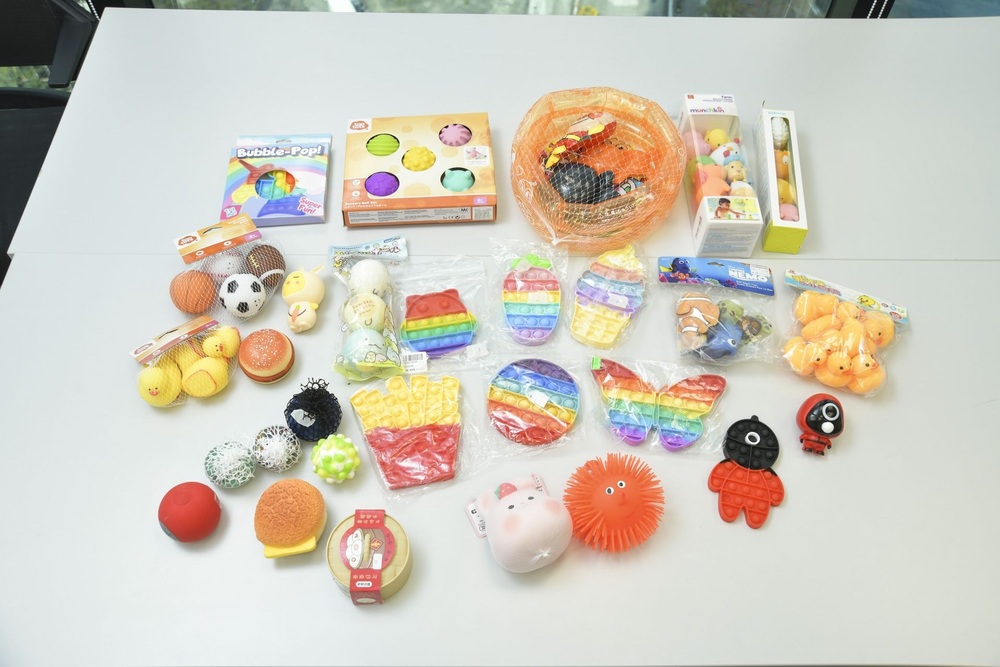
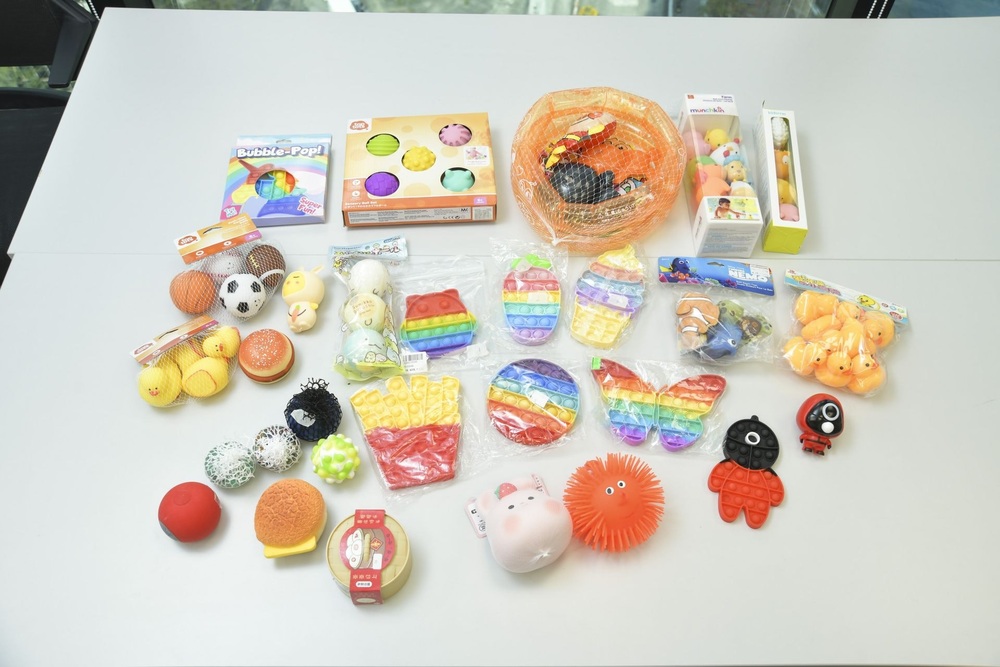
Plastic squeezing toys that help relieve stress during the pandemic could contain cancer causing substance, the Consumer Council on Tuesday warned.
The council tested 29 plastic toy models sold at stationery shops, baby product shops, toy retailers and online platforms, including eight stress-relieving silicone toys, 14 squeeze toys and seven bath toys.
Twenty-two -- or 75 percent -- failed to meet European Union standards, while 15 products have structural safety problems involving small parts and fluid leakage.
“When [children] squeeze, squeeze, squeeze, the fluid will leak out. Most of them will be similar to food, therefore it is very easy for the children to swallow or take it in because they think it is juice,” said council’s research and testing committee chairwoman Nora Tam Fung-yee.
Three toys were found to have phthalates DEHP, which is possibly carcinogenic and may damage the male reproductive system.
The model with the highest levels was 250 times the upper limit written in the “Toys and Children’s Products Safety Ordinance," and the results have been submitted to the Customs and Excise Department for follow up.
More than 85 percent of the tested toys were also found to have potential carcinogen, polycyclic aromatic hydrocarbon, of which two had naphthalene levels exceeding the upper limit of the German safety standard by four to 11 times.
“Although Hong Kong has no regulation on the limit of PAH set for toys ... you should not let your children play around with this toy,” Tam said, as naphthalene is volatile and can be inhaled.
PAH is a kind of impurity commonly found in plastics, rubbers and lubricating oils, mainly causing harm to the human respiratory tract and skin.
Meanwhile, the council tested 20 nasal sprays from three categories – corticosteroid nasal sprays, vasoconstrictor nasal sprays, and saline nasal sprays. Vasoconstrictor nasal sprays were found to lead to increasingly frequent application and even worsened nasal congestion if used for more than one week.
Six of the seven samples collected mentioned the duration of continuous use or provided warnings, the council found.
It also said vasoconstrictor nasal sprays are not suitable for the elderly, men with prostate gland enlargement and patients with hypertension, heart diseases, diabetes, given that the sprays can increase blood pressure.
While corticosteroid nasal spray can relieve the symptoms of allergic rhinitis to a certain extent, the council said most of them are prescription drugs that require doctors’ diagnosis.
“If it is not diagnosed by doctors or assessed by pharmacists, consumers increasing or decreasing the dosage or prolonging the use time by themselves may lead to severe adverse effects,” Tam said.
Common side effects include a burning sensation in the nose, dryness, nosebleeds, dry throat, itchy nose, redness and swelling.
The watchdog managed to purchase seven types of corticosteroid nasal sprays without doctors’ prescription, including six labeled as “Prescription Drugs” and one labeled as “Drug under Supervised Sales”.
Relevant information has been submitted to the Department of Health for follow up.