Read More





Night Recap - May 27, 2026
9 hours ago


Hong Kong a conduit for mainland, French firms
26-05-2026 06:00 HKT
As Hong Kong’s new daily virus infections surged past 20,000 at the weekend, officials made a tacit acknowledgment that their system of confining every infected person -- a key pillar of the Covid Zero strategy -- had collapsed.
Vaccinated patients can now isolate at home and resume normal life once they test negative twice, the government said, an arrangement that formalized what had already been apparent for weeks as the city’s outbreak surged: Hong Kong has no place to confine all its Covid-positive people and probably should stop trying.
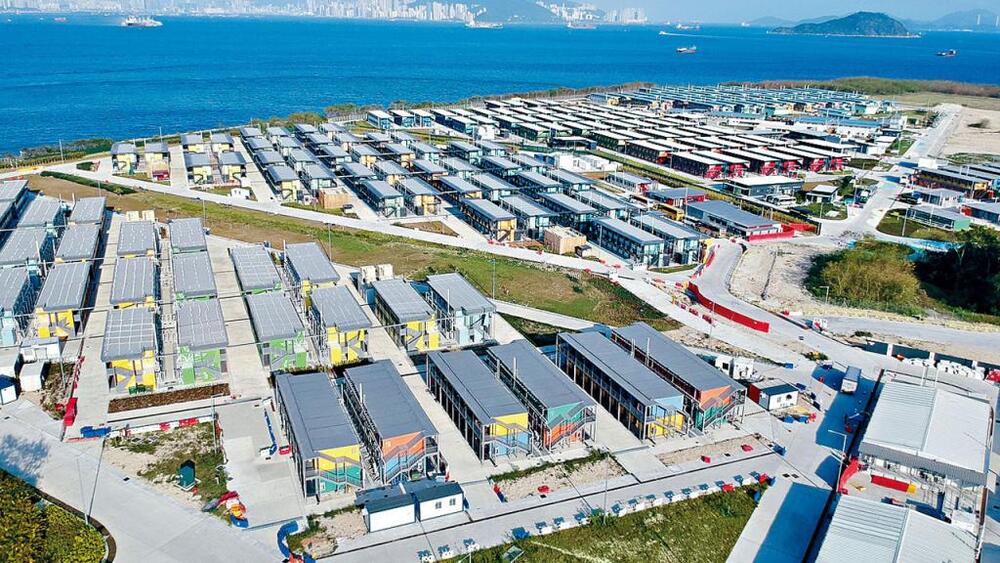
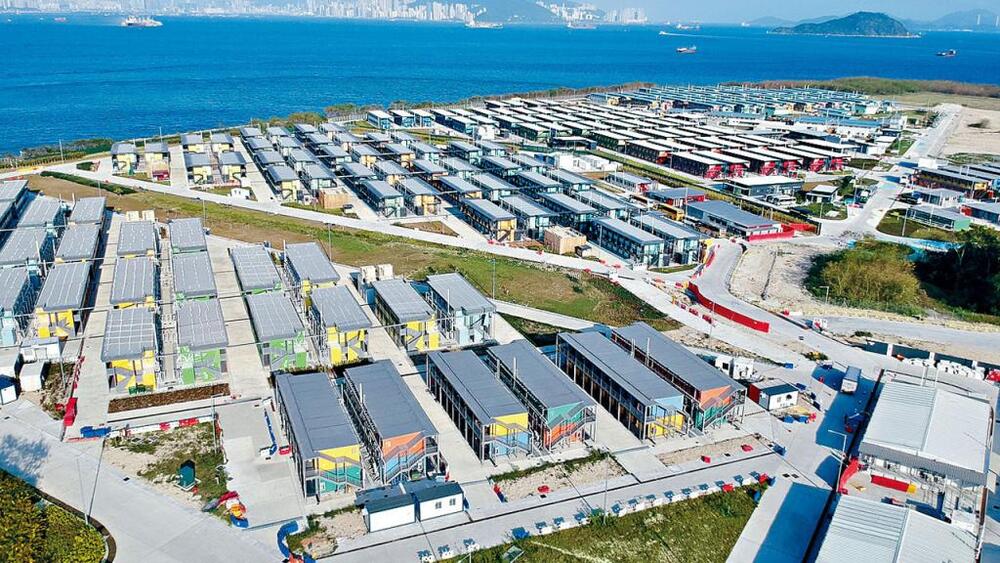
The financial hub’s unraveling isn’t just a health crisis, it’s also become a real-world illustration of how Covid Zero strategies -- key among them forced isolation of the infected and their close contacts to halt spread -- are unsustainable once cases grow beyond a certain, low level. At the peak of the wave, researchers from the University of Hong Kong project that more than 625,000 infected people will need to be in seven-day quarantine. That’s nearly nine times the number of isolation beds the Hong Kong government says it will have -- 70,000 -- after commandeering hotel rooms, public housing and getting mainland China’s help to build eight new makeshift hospitals.
With the plan to mass test the entire city’s population of 7.4 million people three times in March, the projected number of infected could also grow. And actual capacity is just one facet of forced isolation. Requirements for administrative staff, medical workers and food provision to service patients will add additional strain. The city currently operates isolation wards enough for 12,000 people -- including hospital beds, hotel rooms, public housing apartments and makeshift facilities -- and reports of chaos and mismanagement are already abounding.
Those currently held in Hong Kong’s government-run Penny’s Bay quarantine camp are experiencing first-hand how the system is failing. Janet, who’s eight months’ pregnant, and her two children aged two and one were sent to hotel quarantine about three weeks ago after her husband tested positive. She and her kids also tested positive while in quarantine and waited nine days for authorities to find available places for them at Penny’s Bay, by which time they had already tested negative with rapid-antigen kits.
They were told their total quarantine would be two weeks, said Janet, who asked to be identified only by her first name for fear of repercussions. They ended up staying days longer because there was no one available to release them, an issue rectified only after the British consulate intervened.
They weren’t the only ones suffering what she described as emotional torture. One afternoon, Janet heard blood-curdling screams from a woman who marched outside her room and shouted for security to let her leave.
“We were stuck in these facilities and held longer than we should have been, while there’s not enough space for people who actually need quarantine,” Janet said. “It was clear there was a lack of resources and coordination. They don’t have the manpower to handle all of us.”
Local leaders still affirm their goal of suppressing the surge and maintaining “Dynamic Zero” to align with Beijing’s directions, even as the rest of the world is opting to live with the virus. Despite mounting evidence that the policy of isolation in such a massive outbreak can’t be sustained, Chief Executive Carrie Lam said last week that officials will not budge.
“It’s not appropriate to leave those who are confirmed positive, no matter if they have symptoms or not, to stay at home,” Lam said, citing Hong Kong’s small and dense apartments. “During such a forceful Covid outbreak, you can say we don’t have a perfect plan, because it’s impossible to have one.”
Lam touted the government’s creativity in finding new isolation space, saying she’s asked departments to find their own locations for civil servants who test positive. Options include ferry terminals for Marine Department staff and emptied dorm rooms for university students and teachers, she said.
Her resolve doesn’t appear to be widely shared even among those close to power.
Bernard Chan, convener of Lam’s advisory executive council, pondered the seemingly impossible task of housing all Covid patients during a video conference in mid-February held by think-tank Our Hong Kong Foundation. He wondered if the limited public facilities should be reserved for more serious patients and those living in cramped or unhygienic conditions.
“Even if we can build tens of thousands of places, which is impossible, we still can’t house so many people,” Chan said. “It has to be home quarantine.”
(Bloomberg)