Read More


Night Recap - May 22, 2026
7 hours ago


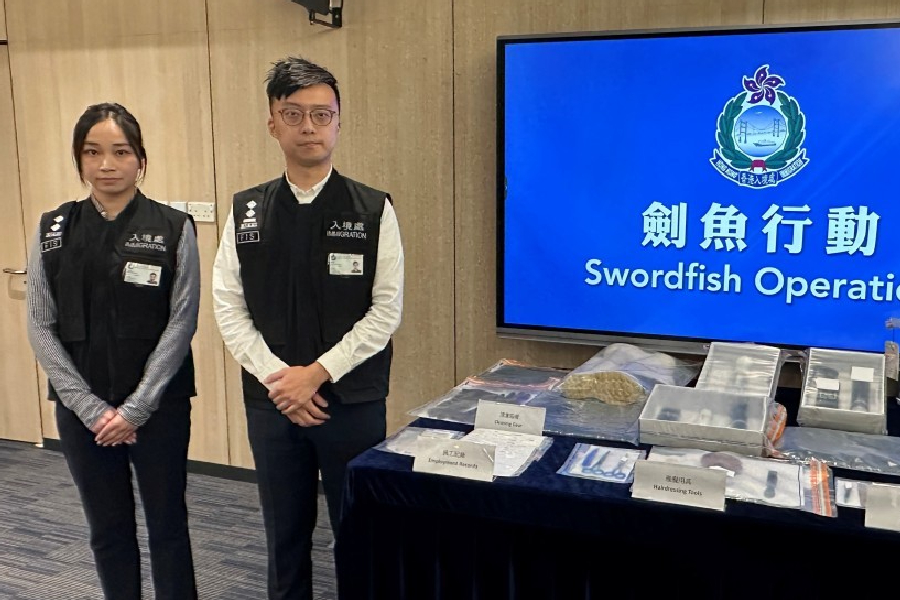
ImmD crackdown targets moonlighting domestic helpers arresting 17
19-05-2026 17:52 HKT

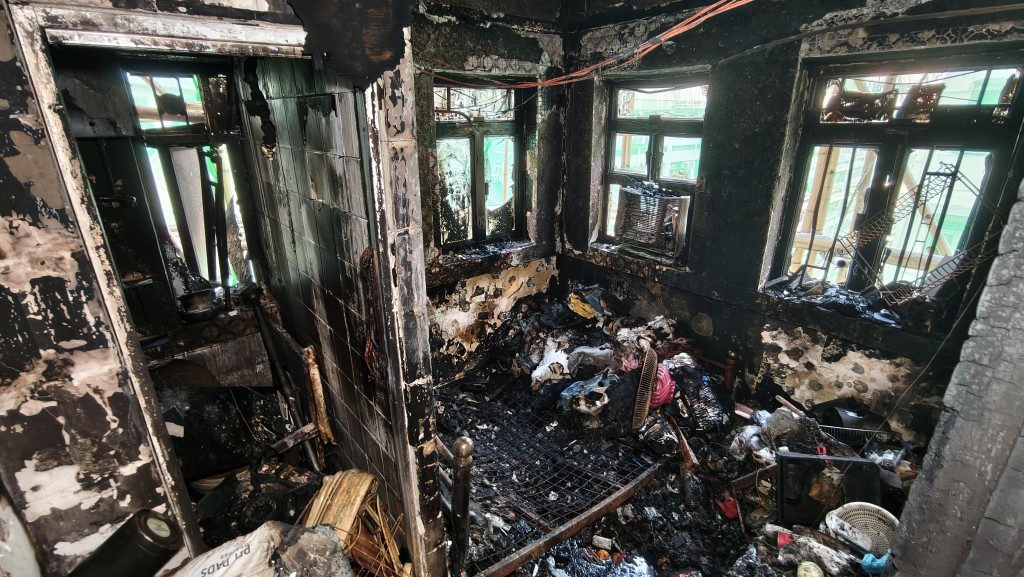
One dead, four injured in Jordan flat fire, 200 residents evacuated
22-05-2026 00:48 HKT
It is quicker to hand out HK$10,000 in electronic consumption vouchers than in cash, explained Financial Secretary Paul Chan Mo-po.
In a press conference following his Budget speech on Wednesday, Chan said he would like to distribute the government subsidy to citizens in the quickest and most convenient way. That is possible only if the government made use of the information submitted by citizens in last year's Electronic Consumption Voucher scheme.
Those who registered for the scheme last year can get the first batch of HK$5,000 vouchers in April. New applicants will have to wait longer till summer.
Read more: HK$10,000 electronic consumption vouchers to be distributed to 6.6m Hongkongers: Paul Chan
Citizens can make use of the vouchers in many ways, such as anti-epidemic supplies, transportation and daily expenses. It is not that different from cash, Chan claimed.
His comment came after some residents said they would like to get cash instead of vouchers so they can pay rent. They were also concerned that they have to head out to spend the vouchers, although they should be staying home during the pandemic.
Electronic payments are not accepted in markets which sell products at lower prices than supermarkets, they said.
Chan was also asked about the impact of the HK$10,000 handout and fresh injections for anti-epidemic measures on the government's long-term finances.
The support measures are one-off, and should not be repeated as long as Hong Kong continues the “dynamic zero” Covid policy, he said.
A progressive rates system proposed in the Budget will help increase government income. It should not cause too much a burden for middle class residents, said Chan, adding big estates such as Taikoo Shing should not be affected.
The latest budget predicts a surplus of HK$18.9 billion for the 2021/22 fiscal year, much better than the more than HK$100 billion deficit predicted in the Budget last year.
The improvement was brought by higher than expected revenue from land sales and profit tax.
According to the progressive rates proposal, for domestic properties with rateable value of HK$550,000 or below, it rates be charged at the present level of five per cent of the rateable value.
For properties with rateable value over HK$550,000, it is proposed that rates be charged at five per cent of the rateable value on the first $550,000 and at eight per cent of the rateable value on the next HK$250,000, and then at 12 per cent on rateable value exceeding HK$800,000.
“This can better reflect the 'affordable users pay' principle,” Chan said.
It is expected that about 42,000 domestic properties will be affected, accounting for around two per cent of the total number of private domestic properties, with an increase of about HK$760 million in government revenue each year.